Here's the thing most people get wrong
They assume a vibrator is a vibrator. Buy one, try it, and if it doesn't work, they blame themselves. The truth is messier and more interesting: your body has specific needs, and not every lemon vibrator is built for those needs.
I've worked with hundreds of people rebuilding pleasure after medical events, medication changes, relationship shifts. The single biggest variable isn't willpower or desire. It's finding a tool that actually matches your body's wiring.
Your clitoral anatomy matters more than you think
The clitoris is not a one-size-fits-all organ. Anatomically, everyone has external and internal structures, but the external part (the visible glans) varies wildly in size, shape, and where it sits relative to the vulval mound. Some people have a clitoris that sits more forward. Others have it recessed deeper. This isn't normal or abnormal. It's just variation.
Why does this matter for choosing lemon vibrators? Because stimulation angle and surface contact area matter enormously. A vibrator designed with a narrower contact point works brilliantly for someone with a smaller, more retracted clitoris. The same vibrator can feel diffuse or off-target for someone with a larger glans or a more forward anatomy.
Before you choose any lemon clitoral vibrator, spend two minutes understanding your own shape. Stand in front of a mirror. Notice where your clitoris sits. Does it feel tucked inward or more prominent? Is the opening of your urethra close to your clitoral glans or further back? These details sound clinical, but they're actually freedom. They tell you which lemon sexual toys will feel precise and which will feel like they're missing the mark.
Sensitivity patterns change (and that's normal)
Here's what I see consistently: sensitivity isn't fixed. It shifts with hormones, medications, stress, age, and yes, sometimes with overuse. A clitoral vibrator that felt amazing at 25 might feel too intense at 40. Or the opposite. A toy that was completely bland last year suddenly locks in and feels incredible now.
This isn't failure. It's information. And it means your vibrator needs might actually need updating.
Sensitivity levels roughly fall into three buckets. High sensitivity means stimulation builds arousal quickly and intense sensation can feel overwhelming or even painful. You probably benefit from slower build-up and a vibrator with variable intensity settings. Medium sensitivity is the middle ground where you can handle broad range of stimulation but prefer some control. Low sensitivity (which might come from medication, nerve changes, or just how your body is wired) means you need more direct, concentrated, consistent stimulus to register anything at all.
Lemon vibrators range from air-suction technology that creates a unique sensation pattern to traditional vibration at varying frequencies. Understanding where you fall on the sensitivity spectrum helps you pick the right tool. An air-suction vibrator like the Lemon works differently than a buzzy vibrator. It creates a rhythmic pulse rather than constant vibration, which many people with medium to low sensitivity find more effective.
The difference between vibration frequency and what actually feels good
Marketing often obsesses over "10,000 vibrations per second" or "42 patterns" as if more is automatically better. It's not. Frequency matters way less than whether that frequency matches your nervous system.
Some bodies respond better to deeper, slower pulses. Others need faster, lighter sensation. This often correlates with overall nerve sensitivity, but not always. I've worked with clients who are sensitive to touch in general but crave high-frequency vibration in their clitoris. The reverse is equally common.
The practical move: if you're trying a lemon vibrator for the first time, start on the lowest setting. Not because you're fragile, but because you need baseline data. You can always go up. Overwhelm is harder to recover from. As you experiment, notice whether you're pulled toward faster or slower patterns. That preference is telling you something real about what works for you.
Size and shape create contact area (and that shapes pleasure)
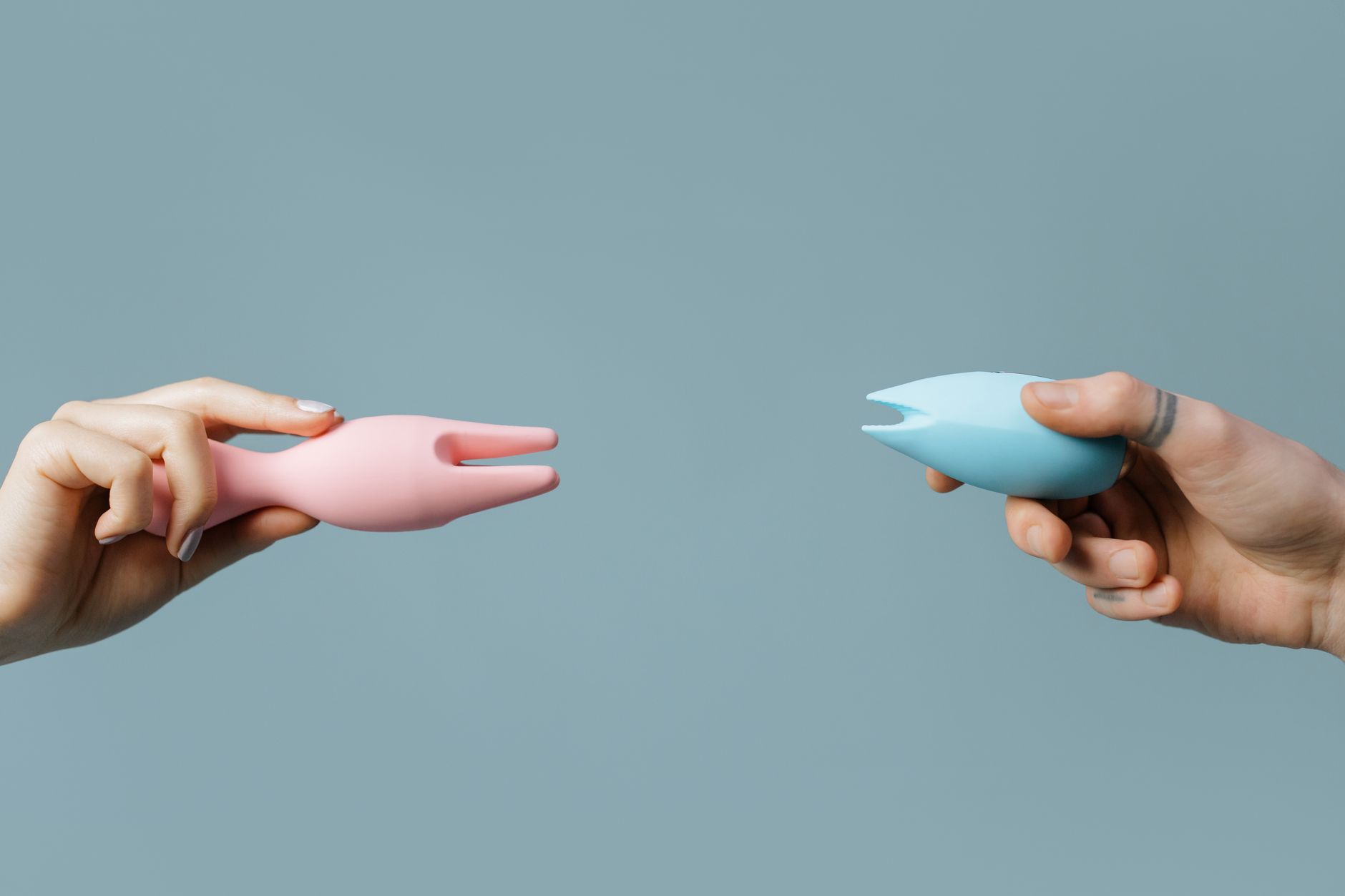
Lemon adult toys vary in head shape and size. Some have a narrower, more pointed contact area. Others are broader and flatter. Neither is objectively better, but one will usually feel more precise for your particular anatomy.
A more compact, focused vibrator head works well if you want direct, concentrated stimulation or if your clitoris responds better to point pressure. A broader head distributes sensation across a larger area, which some people find more diffuse and easier to control. If you tend to have difficulty with orgasm, the narrower design often provides the kind of focused stimulation that helps. If you're sensitive to too much intensity, a broader surface area can spread out sensation in a way that feels gentler.
Think about how you touch yourself manually. Do you tend to use your fingertip for precision? Or do you use a broader, flatter pressure from your finger or hand? That preference usually translates to vibrator choice. A lemon clitoral vibrator should amplify the sensation pattern you're already using, not force you into a different one.
Material, temperature, and texture absolutely change the experience
Most quality lemon vibrators are made from medical-grade silicone. Silicone holds temperature (it stays roughly at room temperature or gradually warms to body temperature) and has a specific texture that some bodies love and others find less responsive.
Temperature sensitivity matters. If you're someone who finds warmth pleasurable, you might warm a silicone vibrator under warm water before use. If cold feels good (and for some people, it does), using it straight from room temperature or cooling it briefly shifts the sensation entirely.
Texture also shifts perception. Smooth silicone feels different than a textured or matte finish. This seems like a small detail until you realize that the texture interacting with your skin's nerve endings actually changes how your brain interprets the stimulus. Again, there's no right answer. But understanding this helps you make intentional choices rather than random ones.
Lubrication isn't optional (and yes, it matters which kind)
I notice people often skip lube with vibrators, assuming vibrators don't need it the way penetrative toys do. That's incomplete thinking. Lubrication actually increases sensation by improving contact between the vibrator and your clitoris. Without it, there's friction and potential irritation. With it, the vibration transfers more smoothly.
For lemon vibrators and other silicone toys, water-based lube is the move. Oil-based lube breaks down silicone over time. Silicone-based lube can damage silicone toys. Water-based feels light, is easy to reapply, and doesn't interfere with sensation. Generous lubrication (more than you'd think you need) usually makes the experience feel better, not worse.
If you're someone with reduced natural lubrication from hormonal changes, medications, or age, this becomes even more important. A well-lubricated lemon vibrator can feel completely different from the same vibrator used dry.
Body positioning and approach angle shift everything
Here's something rarely discussed: the angle at which you approach your clitoris actually matters. Some people lie on their back, some on their side, some standing. Some like the vibrator coming from below, some from above.
Your preferred position affects which vibrator will feel best. If you typically stimulate yourself lying on your back with legs slightly open, you'll probably want a vibrator that's comfortable to hold in that position. If you prefer lying face-down or on your side, the ergonomics shift. A curved vibrator might work better angled one way than another. A straight one might feel more intuitive in different positions.
This isn't aesthetic. It's practical. A vibrator that's awkward to hold at your preferred angle won't feel as good as one that fits your natural movement pattern, no matter how technically excellent it is. Spend a moment thinking about how you like to position your body. That's data for choosing a lemon sexual toy that will actually get used.
When you should consider starting with a different toy
Sometimes the issue isn't finding the perfect lemon vibrator. It's that you need to rebuild sensation first. If you're returning to pleasure after medical procedures, significant stress, or medication changes, starting with something lower-intensity and more gradual can actually be more effective than jumping to the tool you think you "should" want.
I sometimes recommend clients begin with something simple and variable, then explore more specialized toys once baseline sensation is back online. This isn't forever. It's a bridge. But it makes a real difference in the outcome.
If you're someone with high anxiety around pleasure or sexual performance, rushing to a specific toy can actually add pressure. Sometimes starting with something more approachable, then evolving, takes the pressure off and makes the whole experience feel less fraught.
How to actually choose: a practical framework
Start by identifying your sensitivity level (high, medium, or low). Then notice your preferred body position and whether you like focused or broader stimulation. Look at the specs of a lemon vibrator and see if the head size and shape roughly match what you already know works for you manually.
Read reviews, but remember that "amazing" for one body might feel like nothing for another. Look for reviewers who describe similar anatomy or sensitivity to yours. Buy from a brand that offers easy returns if it doesn't work. There's no shame in a vibrator not being the right fit. It just means you need different specs, not that something's wrong with you.
FAQ
How do I know if I have high or low sensitivity?
High sensitivity usually means light touch builds arousal quickly, strong sensation can feel overwhelming, and you need time to warm up. Low sensitivity means you need more consistent or intense stimulus to feel pleasure, and light touch often feels like nothing. Medium sensitivity is the middle ground where you have flexibility. Pay attention during manual stimulation. How quickly do you notice sensation? How much pressure do you naturally use? That tells you a lot.
Can sensitivity change over time?
Absolutely. Hormonal shifts, medications, age, stress levels, and relationship dynamics all affect sensitivity. Something that felt perfect at 30 might need adjustment at 45. That's normal, not a loss. Your vibrator collection can evolve with you.
Is there a lemon vibrator for people with very low sensation?
Low sensation responds well to tools that create sustained, concentrated stimulus rather than light vibration. Air-suction technology like the Lemon often works better than traditional vibration for this, because the rhythmic pulse creates a different neural signal than steady buzzing. Start on the lowest setting and give yourself time to adjust.
What if a vibrator feels too intense at first?
Use it on the lowest setting or over underwear or a thin cloth to diffuse sensation. Lower intensity for longer often feels better than high intensity for short bursts. Many people find that after a few sessions at a lower intensity, their body acclimates and they can gradually increase from there. There's no rush.
Do I need multiple vibrators or is one enough?
One tool that genuinely works for you is infinitely better than five tools that feel off. But many people find that having options for different moods, sensations, or body states is helpful. That's a later upgrade. Start with one lemon vibrator that matches your actual needs, not your imagined ones.
How do I know if I'm choosing the wrong vibrator versus my body just not responding right now?
This is the real question. Give any vibrator at least 3-4 sessions before concluding it's not for you. Your body might need time to acclimate. Sensitivity on day one is often different from sensitivity on day three. If after several sessions it still feels like nothing or feels wrong, that's useful data. Try a different spec rather than assuming you need to keep pushing with the same tool.