
Here's what nobody tells you about restarting intimacy
Long-distance relationships, work separations, recovery periods, or even just the slow drift that happens in long marriages - time and distance change how bodies connect. When you come back together, the instinct is to pick up where you left off. But here's the reality: your nervous system may need a warm-up, your communication patterns have shifted, and the pressure to "get it right" immediately can kill arousal faster than anything else.
That's where lemon vibrators step in. Not as a replacement for partnered sex, but as a bridge. A tool that lowers the stakes, increases sensation, and gives you both permission to explore what your bodies want now, not what they wanted six months ago.
Why the gap matters more than you think
When couples reconnect after time apart, arousal doesn't automatically switch back on. Your body isn't holding a grudge. It's just recalibrating. Cortisol (stress hormone) lingers longer than we'd like. Unfamiliar patterns feel awkward at first. And if either partner is navigating how to use lemon vibrators with anxiety, that baseline anxiety can make the entire experience feel like a performance.
Add in the pressure of "we need to make this count," and desire vanishes completely.
Lemon clitoral vibrators - especially suction-based designs - sidestep that pressure trap. They're not about outcome. They're about reintroduction.
The three phases of reconnection
Phase one: Solo practice before partnered time.
If it's been months, your body needs reminding of what arousal feels like. This isn't selfish - it's preparation. Use your Lem or another lemon vibrator alone for a few sessions before attempting partnered sex. Pay attention to what patterns feel good now, where your sensitivity has shifted, and what kind of foreplay primes you. This data matters for your partner.
Phase two: Parallel play.
Both of you use your own tools simultaneously - not performing for each other, just existing in the same space with permission to focus inward. This removes the spectator anxiety. You're not worried about timing or your partner's experience. You're rebuilding your own pleasure foundation.
Many couples find this phase quieter than expected. There's relief in it. Less conversation needed, more genuine arousal.
Phase three: Integration.
Now bring the lemon clitoral vibrator into partnered touch. Your partner can use it on you while inside you, or you use it while they're present. This isn't about replacing them - it's about creating a rhythm that works for both bodies after the gap.
How to actually introduce this without awkwardness
The conversation matters more than the tool itself. Here's what I recommend saying:
"We've been apart. Our bodies have forgotten some things. I want to reconnect slowly, and I think using a vibrator together might make this less pressure-filled and more fun. What do you think?"
Notice what that does: it names the reality (the gap), it removes shame (bodies need recalibration), and it frames the tool as collaborative, not as a substitute.
If your partner hesitates, that's worth exploring - but separately from the actual intimacy. How to introduce lemon vibrators to your partner without awkwardness is its own conversation. What matters for reconnection is that you're approaching it as "we're learning each other again," not "I need fixing."
Why lemon vibrators specifically work for this
Lemon clitoral vibrators use suction and gentle pulsing instead of straight vibration. After time apart, this matters. Direct intense vibration can feel overwhelming if your body is already in a heightened state of emotional expectation. Suction is more forgiving. It builds slower. It's easier to customize intensity on the fly.
Start on the lowest setting. You'll probably find you need less intensity than you did before. That's normal. Lower arousal takes less stimulation to build.
Use water-based lubricant. Even if you never needed it before, the tissue around your clitoris may be more sensitive after a gap. Lubrication isn't a sign of failure - it's a sign you're paying attention to how your body is, not how you remember it being.
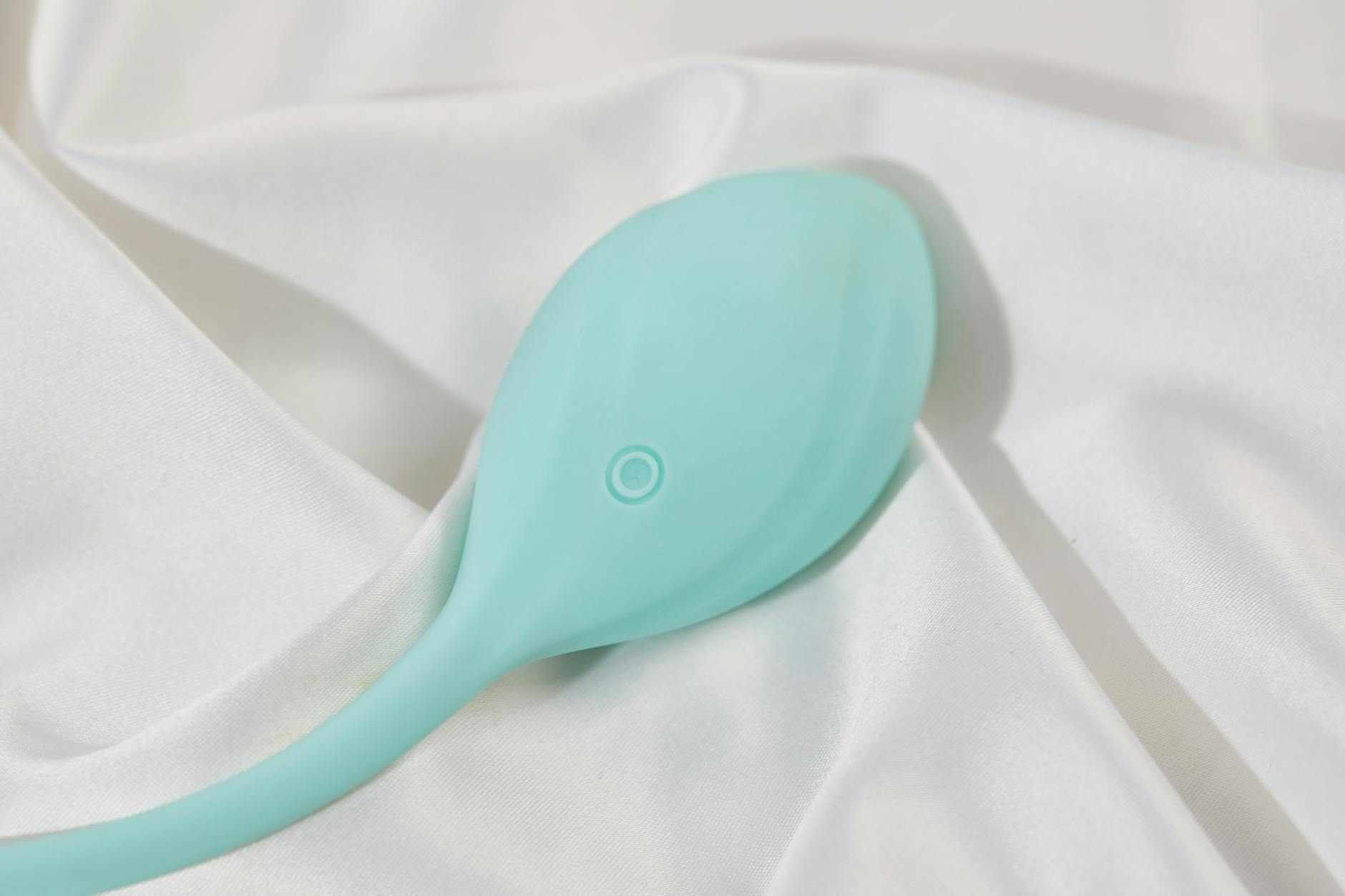
Photo by IFONNX Toys on Pexels
The communication piece you can't skip
This is where my role as a relationship coach kicks in: reconnection after gaps fails when one person goes silent. If something doesn't feel good, if arousal isn't building, if you're anxious - say it. Real-time communication during intimate time is uncomfortable at first. Most couples avoid it.
Don't.
Try micro-feedback instead of full sentences: "A bit softer." "Stay there." "That feels good." These aren't conversation-killers. They're the opposite. They signal that you're present and paying attention, not just going through the motions.
After, have a separate check-in. Not immediately after, but within 24 hours. "That felt [good/awkward/interesting]. I noticed [X]. Did you feel [Y]?" This takes the pressure off the moment itself and gives you data for next time.
What if arousal still isn't there
Sometimes the gap is longer than the body can easily bridge. Sometimes there's unresolved conflict or loss of trust underneath. A lemon vibrator won't fix that.
But it can create space for honesty. If you're both in the room with permission to touch yourselves or each other slowly, defensiveness drops. You can notice what's actually missing: emotional safety, novelty, curiosity about each other's bodies, or sometimes just the knowledge that your partner still desires you.
If desire isn't returning after a few reconnection sessions, consider working with a therapist who specializes in couples - not because something's wrong with the lemon vibrator, but because the gap might be signaling something that needs deeper conversation.
The rhythm that actually rebuilds connection
Here's a realistic timeline. Week one: solo practice with your own tool. Week two: parallel play. Week three and beyond: integrated touch. This isn't about rushing to "normal" sex. This is about rebuilding trust in your body and your partner's attention to it.
After a gap, speed is the enemy. Presence is everything. Why lemon vibrators work better with longer foreplay sessions applies here - but even more so when you're reconnecting. Budget 30-45 minutes, even if you don't use all of it. The permission to take time removes urgency.
Some couples find that reconnecting with a hello nancy lemon vibrator, like the Lem, actually deepens their sexual relationship permanently. That's not magic. It's the result of slowing down, communicating, and approaching each other with genuine curiosity rather than obligation.
Common questions about reconnecting
Do we need to talk before every session?
No. But you need one big conversation at the start. After that, small moments of feedback during are enough. Save the debrief for later.
What if one partner is more eager to reconnect than the other?
This is real and common. The less eager partner is protecting themselves. Honor that. Use the solo phase to let them find their own arousal at their own pace. Patience here is more intimate than any vibrator.
Can we skip the phases and just use it during sex right away?
You can. Some couples do. But the phased approach reduces anxiety-related shutdown and gives you actual data about what you both want. Worth the time investment.
What if the vibrator feels clinical or breaks the mood?
Then you're introducing it wrong or at the wrong time. A vibrator is a tool, not a mood-setter. Mood comes from your attention and presence. The tool amplifies what's already there.
Is using a vibrator after a gap a sign the relationship isn't working?
Absolutely not. It's a sign you're both willing to get creative and humble about reconnection. That's what healthy relationships look like.
How do we know when we're "back to normal"?
There is no normal to get back to. After a gap, you're building something new that incorporates what you learned apart. The goal isn't replication - it's deepening. You'll know it's working when you stop thinking of it as reconnection and start thinking of it as just how you are together now.
What to expect moving forward
Couples who intentionally reconnect with tools like lemon clitoral vibrators often report stronger intimacy afterward - not because the vibrator did anything magical, but because they approached reconnection with honesty instead of performance anxiety. They communicated. They moved slowly. They paid attention.
That attention is what matters. The vibrator just gives you permission to slow down and be present without the pressure to have all the answers immediately.
Reconnection isn't about erasing the gap. It's about honoring the people you both were separately and building something with the people you are now. A lemon vibrator can help with that. But only if you bring the actual vulnerability.