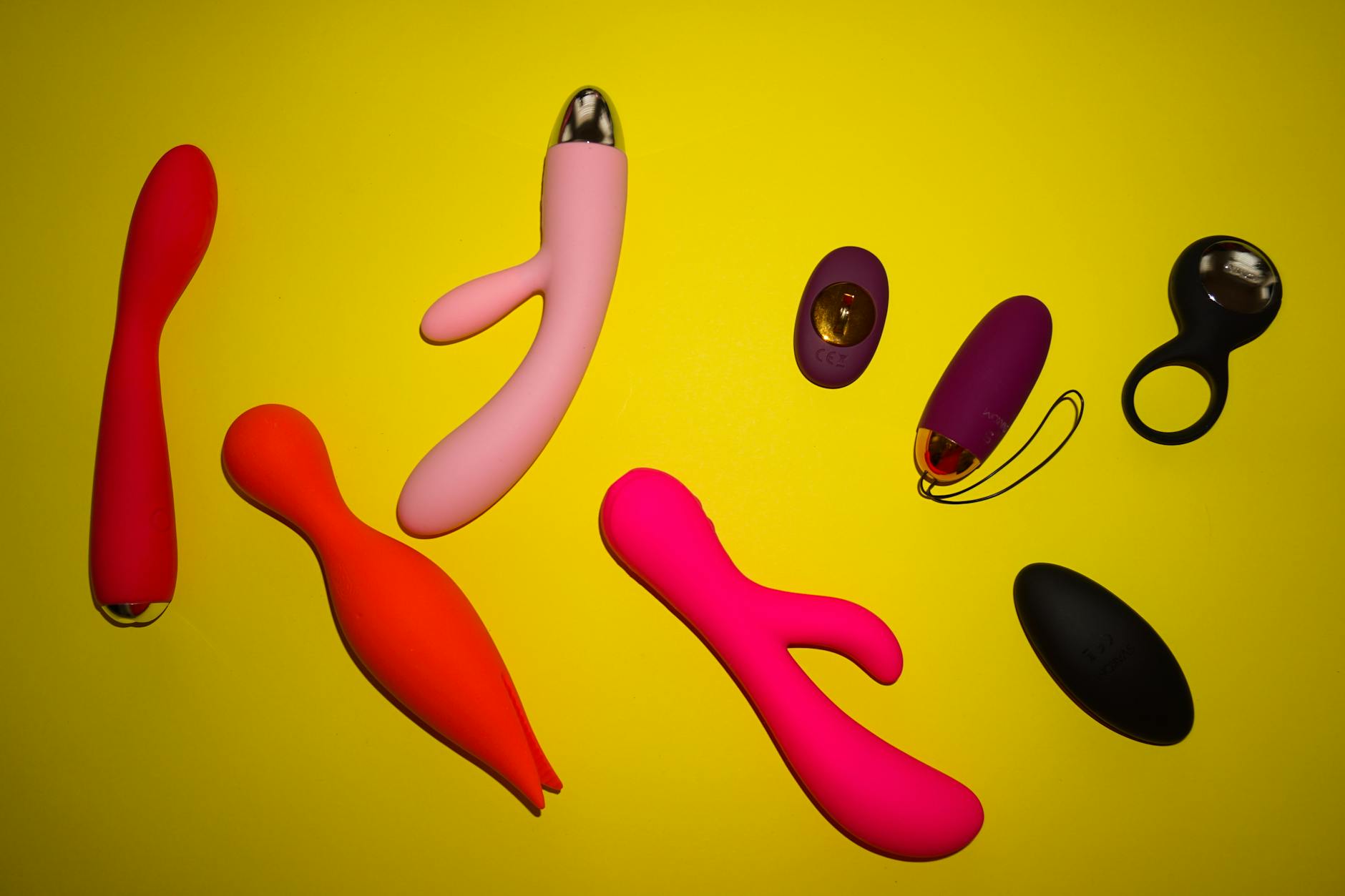
The awkward truth about desire after 60
Let's be real. Nobody tells you that intimacy in your 60s looks different than it did at 35. And different doesn't mean broken. It means recalibrated.
Your partner's erections might take longer. Lubrication might be thinner. Energy levels shift. The cultural scripts you've been following your whole life suddenly stop making sense. What you're left with is either silence or, if you're lucky, the chance to actually talk about what feels good now.
A clitoral vibrator like the Lemon isn't a fix for "getting old." It's a conversation starter. It's a way to say, without words, "Let's explore this differently." And it works because it bypasses the performance anxiety that stalls a lot of long-term couples after 60.
Why the performance script breaks down
For decades, many couples have organized sex around a pretty narrow template. Arousal, intercourse, finish. Works fine when bodies cooperate easily. Less fine when someone needs 20 minutes to warm up, or when penetration causes discomfort, or when desire has genuinely flatlined.
The problem isn't the bodies. It's the script.
When you introduce a lemon sexual toy into the picture, you're not replacing anything. You're reframing the whole interaction. You're saying, "We don't have to follow the old playbook. We can build something new that feels good for both of us right now."
Research on couples over 60 consistently finds that partners who use toys together report higher satisfaction, better communication, and less performance pressure. Not because toys are magic. But because choosing to use one requires talking about it first. And that conversation is where the real reconnection happens.
The setup conversation that actually works
Honestly, this is the hardest part. Not the toy. The conversation.
Here's what I tell couples in my practice: don't make it about what's "wrong." Make it about what you want. The difference matters.
"I miss feeling close to you" is different from "I'm frustrated because you can't get hard." "I want to explore something that might feel really good" is different from "We need to fix this problem."
Try starting when you're not in bed. Not right after sex goes sideways. Just a regular Tuesday over coffee. "I've been thinking about trying something together. A lemon clitoral vibrator. Would you be open to exploring that?" Then pause. Let your partner sit with it. Don't oversell. Don't apologize. Just let them respond.
Most partners, honestly, are relieved. They've been worried too. They've felt the distance. They want reconnection, they just don't know how to name it.
How to actually introduce it without awkwardness
Start small. You don't need to build a whole evening around it.
The easiest entry point is this. Next time you're being intimate, after you've already got some momentum, one of you says, "Can I try something?" and reaches for the lemon vibrator. No announcement. No ceremony. Just integrate it into what's already happening.
Start on a lower pattern. Rhythms 1 and 2 on a lemon clitoral vibrator are gentle. Lemon suction feels totally different from traditional vibration. The first time, your partner might just hold it. They might just watch. That's fine. That's learning.
If you're the person with a vulva, show your partner where it feels good. Don't expect them to guess. "Try a little higher" or "I like that rhythm" are actually hot because they're instruction and permission at the same time.
If you're the partner without a vulva, pay attention. Your job isn't to perform. It's to be present and curious. Watch what happens. Ask questions. "Does that feel good?" "What if we tried this?" The novelty of actually being in dialogue during sex is often what sparks the deeper reconnection.
The rhythm that works after 60
Forgot what I said about longer foreplay being optional. After 60, it's kind of essential.
Budget 30 to 45 minutes if you want everyone involved and satisfied. That sounds long until you realize you're actually just slowing down. Kissing longer. Touching more. Building anticipation instead of rushing to the finish line that stopped mattering years ago anyway.
A lemon vibrator actually makes this easier because arousal is less dependent on what a partner's body is doing moment to moment. You can build at your own pace. Your partner can rest, can touch you, can be present without performing.
Here's the rhythm I recommend: spend the first 15 minutes on kissing, touch, conversation. Whatever feels intimate. Then introduce the lemon clitoral vibrator. Start on pattern 1. Spend 5 to 10 minutes exploring. Your partner can use it on you, or you can guide their hand, or you can use it yourself while they touch you elsewhere. Then build from there.
If orgasm happens, great. If it doesn't, who cares. The goal isn't completion. The goal is reconnection.
What changes when you stop chasing the old script
Something weird happens when couples in their 60s give themselves permission to do sex differently.
They start enjoying it again. Not because the sex itself got better. But because they stopped measuring it against a template that never fit anyway.
One couple I worked with had been pretty disconnected for three years. Not fighting. Just absent. When they started using lemon sexual toys together, they reported something unexpected. The sex felt less important. And weirdly, they wanted it more. Because it wasn't carrying the weight of "proving" anything. It was just pleasure. Connection. Play.
If you're thinking about trying this with your partner, know that the vulnerability is the real intimacy here. Not the toy. You're saying, "I still want you. And I want to figure out what that looks like now." That's huge.
The logistics that actually matter
A couple of practical things that make a difference.
Water-based lubricant is non-negotiable. Not because you're broken. But because tissue changes with age, and lube makes everything feel better. A good water-based option works with any silicone toy, including lemon clitoral vibrators.
Clean the lemon vibrator before use. It's genuinely easy. Warm water and mild soap. Takes 30 seconds. Then dry it. That's it.
Keep it in a drawer or a bag where you both know it is. Not hidden. Not apologized for. Just available. Knowing it's there sometimes changes the temperature of a day. "Should we?" becomes easier when you don't have to go on a treasure hunt.
Start with lower patterns. A lemon vibrator has enough intensity that you don't need to max it out to feel something. Patterns 1 through 3 are often where the magic is.
When to adjust expectations
One more thing I hear from couples over 60 who are rebuilding: sometimes it takes a few tries before this feels natural.
That's normal. You're rewiring a decade or two of assumption. The first time might feel awkward. The second time might feel technical. By the third time, it usually starts to feel like just another way of being close.
If one partner isn't into it after a genuine attempt, that's okay too. The conversation itself was the point. You know your partner is open. You know they care about your pleasure. That knowledge changes things even if you never use the toy again.
For most couples though, a lemon clitoral vibrator becomes part of the regular rotation. Not every time. Just sometimes. And that sometimes is enough to remind both of you that desire didn't disappear. It just needed a new language.
People also ask
Is it normal to want to use a vibrator with your partner after 60?
Completely normal. Research shows that couples over 60 who incorporate toys report higher sexual satisfaction and better communication overall. You're not admitting defeat. You're choosing curiosity.
Will using a lemon vibrator make my partner feel inadequate?
Not if you frame it right. The conversation matters more than the toy. If you approach it as "I want to explore pleasure together" rather than "you're not enough," it shifts everything. Most partners feel relieved, actually. They've been worried about performance too.
How do I introduce the idea without killing the mood?
Don't do it during sex the first time. Have the conversation outside the bedroom when you're both calm. Then, next time you're intimate and things are already moving, you can introduce it naturally. "Can I try something?" and just go. The anticipation from the earlier conversation usually carries you through.
What if my partner says no?
Then you respect that. But also ask why. Sometimes it's just anxiety about novelty. Sometimes there's a legitimate reason. Either way, the conversation opened a door. You can keep talking about what would feel good without the toy.
Can we use a lemon vibrator if one of us has health issues?
Most likely yes. Lemon clitoral vibrators are gentler than traditional vibrators because suction stimulates rather than vibrates. But check with a doctor if there's a specific concern. And use water-based lube. That handles most texture issues.
Does using a vibrator together mean the relationship is in trouble?
No. It usually means you're paying attention to intimacy instead of letting it fade. Couples who stay connected do things like this. They stay curious. They talk. They play. That's health, not damage control.