Here's the thing about pelvic floor dysfunction nobody mentions
When your pelvic floor muscles stay clenched, they don't just cause pain or urinary leaks. They also numb sensation. Your nerve endings get crushed by constant tension, arousal takes longer to build, and even when you reach orgasm, it feels muffled or flat. Pleasure becomes something that happens to you instead of something you feel.
The good news: sensation comes back. But it requires a different approach to self-pleasure than before.
Why tension kills pleasure (and why it's not your fault)
Your pelvic floor is a hammock of muscles that support your bladder, uterus, and bowel. When you're stressed, anxious, or recovering from pelvic trauma (surgery, childbirth, persistent pain), these muscles lock down. They're trying to protect you. The problem is they don't know how to unlock.
When those muscles stay contracted, blood flow to the vulva decreases. Your clitoris becomes less engorged and responsive. The vaginal entrance tightens further. Stimulation that used to feel electric now feels dull or painful.
Many people assume this means they've lost their ability to feel pleasure. They haven't. The sensation is there, just buried under muscle tension.
How pelvic floor physical therapy changes everything
If you haven't already, see a pelvic floor physical therapist. This is not optional if you want pleasure back. A good PT will teach you to recognize tension, breathe into your pelvic floor, and actively relax these muscles. Most people need 8-12 sessions before they feel significant change.
Here's the timeline that matters: wait until you've done at least 4-6 PT sessions before reintroducing vibrators. Your PT will tell you when your pelvic floor has released enough to handle stimulation safely. Starting too early can trigger guarding (your muscles clenching up in defense), which sets recovery back weeks.
Why lemon vibrators are different for pelvic floor recovery
Traditional vibrators send oscillating vibrations through tissue. If your pelvic floor is still slightly tense, these vibrations can trigger more clenching. The pressure feels overwhelming, and your body says no.
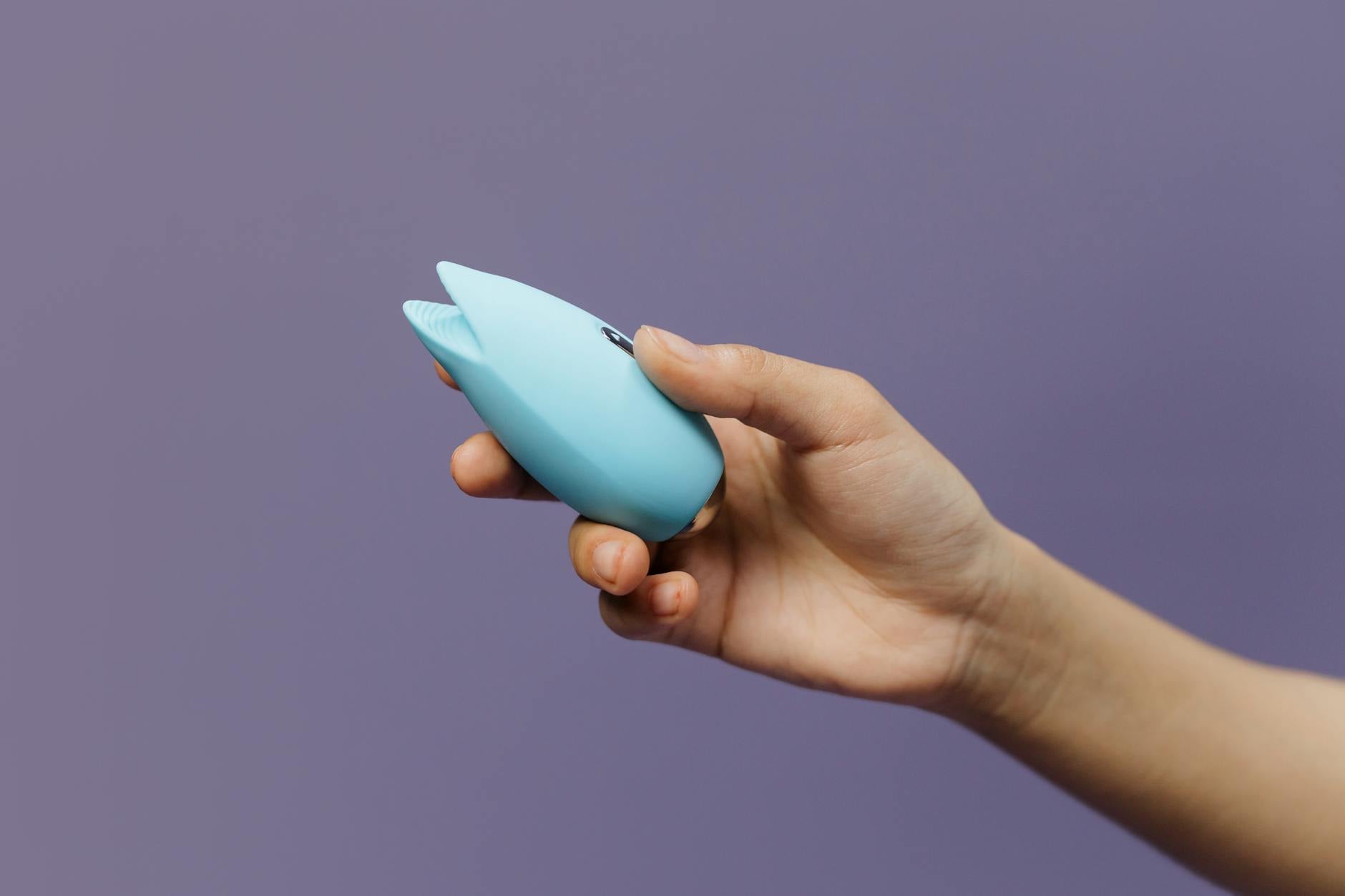
Suction-based devices like the Lemon work differently. Instead of vibration, they use rhythmic suction to gently stimulate the clitoris. The sensation is gentler, more dispersed, and feels less like a direct assault on an already-sensitive area. For people recovering from pelvic floor dysfunction, this matters enormously.
Suction also feels easier to control mentally. You can start at the lowest setting and work up without the panic response that sometimes comes with traditional vibrators.
The comeback protocol: timing and settings
Once your PT gives you the green light, here's how to reintroduce sensation safely.
Weeks 1-2: Use the Lemon on settings 1 and 2 only. Spend 10-15 minutes exploring, but don't pressure yourself to orgasm. The goal is to reconnect with sensation, not achieve a specific outcome. Your nervous system needs permission to be curious again without performance pressure.
Weeks 3-4: Progress to settings 2-3, same duration. By now you should notice sensation becoming sharper. You might not orgasm yet. That's fine. Your goal is progress, not timeline.
Weeks 5-6: Settings 3-4, and now you can extend to 20-25 minutes if it feels good. Many people have their first real orgasm in this window. It might feel different than you remember. Possibly shallower, possibly more localized. That's normal. Sensation is rebuilding.
Week 7+: Full range of settings, no time limit. Your pelvic floor should feel noticeably more responsive by now.
What to watch for during recovery
If you experience sharp pain, stop immediately. Pain is not a sign to push harder. It's your nervous system saying you need more PT first.
If you feel heaviness or pressure in your pelvic floor after using a vibrator, that means you held tension during the experience. That happens. Next time, spend the first 5 minutes just breathing and relaxing. Let your pelvic floor release before you turn the device on.
If you notice the muscles clenching in response to stimulation, that's guarding. Back off to a lower setting or shorter session. Your pelvic floor is still in protection mode. That doesn't mean you failed. It means your PT work isn't finished yet.
Lubrication becomes even more important now
During recovery, tissues are often more sensitive and less naturally lubricated. Water-based lubricant isn't optional. It's essential.
Apply generously to the Lemon before each session and reapply halfway through. This reduces friction, allows the suction to feel smoother, and makes the whole experience feel less scary to your nervous system. Your body is learning that stimulation doesn't have to hurt.
Bonus: good lube also helps the device glide smoothly without creating the pressure sensation that can trigger pelvic floor guarding.
Partner communication during recovery
If you're in a relationship, this is worth discussing. Let your partner know you're rebuilding sensation and that penetrative sex might not be on the table yet. This takes pressure off both of you.
Many couples find that this recovery period actually deepens intimacy because it forces real conversation about pleasure, needs, and patience. You're not performing. You're healing together.
The mental side of sensation recovery
Your pelvic floor didn't stop responding just because of muscle tension. Your nervous system also learned to guard against pleasure as a protective mechanism.
You might notice you're holding your breath during self-pleasure. You might feel anxious about whether sensation will come back. That's your nervous system still in recovery mode. Here's what helps: spend the first few minutes of each session on breathing. Deep inhales, slow exhales. Your pelvic floor releases on the exhale. Practice that.
Also, be gentle with yourself if progress feels slow. You didn't lose your capacity for pleasure. It's still there. You're just rewiring the nervous system's ability to access it safely.
When sensation returns (and it does)
Most people report that sensation starts to rebuild noticeably around week 4-6, depending on how severe the dysfunction was. Orgasms become more possible. The numbing sensation lifts. You start to feel turned on again.
This is one of the most profound things I see in clinical work: people who thought they'd lost pleasure forever get it back. And often they describe it as even richer than before because they had to earn it.
People also ask
Can I use a lemon vibrator while I'm still doing pelvic floor physical therapy?
Yes, but only after your PT clears it. Too early and you can trigger guarding that makes therapy less effective. Once you've had 4-6 sessions and your pelvic floor is starting to release, vibrators can actually support the work. The key is timing and starting with the lowest settings. Talk to your PT about when to introduce it.
Does pelvic floor dysfunction mean I'll never have good orgasms again?
No. The sensation comes back once the muscles release. Most people report that orgasms return and often feel even more intense than before because they're more aware of their body. This recovery period is temporary, not permanent.
Should I use my lemon vibrator even if it feels uncomfortable at first?
Not if it causes sharp pain. Discomfort and pain are different. Mild discomfort during the first few sessions is normal as your nervous system adjusts. Sharp pain is a signal to stop and wait. Talk to your PT if you're unsure which you're experiencing.
How long does pelvic floor recovery usually take?
It varies widely depending on severity. Mild cases might improve in 4-8 weeks with PT. Severe cases can take 3-6 months. Consistent PT sessions (usually weekly) and home exercises matter much more than the timeline. Some people see progress within weeks. Others need months. Patience is the real protocol here.
Can I have penetrative sex during pelvic floor recovery?
That depends on where you are in recovery and what your PT recommends. Many people find that penetration triggers guarding and sets progress back. Others can do it with a lot of lube and communication with their partner. This is worth discussing with your PT specifically, not generalizing.
Does the suction feel different on my pelvic floor compared to a traditional vibrator?
Yes. Suction feels gentler and more dispersed. Traditional vibrations can feel concentrated and intense, which sometimes triggers guarding if your pelvic floor is still healing. Many people recovering from dysfunction find suction easier to tolerate mentally and physically. Start there if you have the choice.
The bottom line
Pelvic floor dysfunction numbs sensation, but recovery is real and often faster than you'd expect. Pelvic floor PT is the foundation. The Lemon vibrator becomes your tool for gently reintroducing pleasure once you've done that foundational work.
Your body remembers how to feel. You're just giving it permission and the right tools to get there. That's worth the patience.