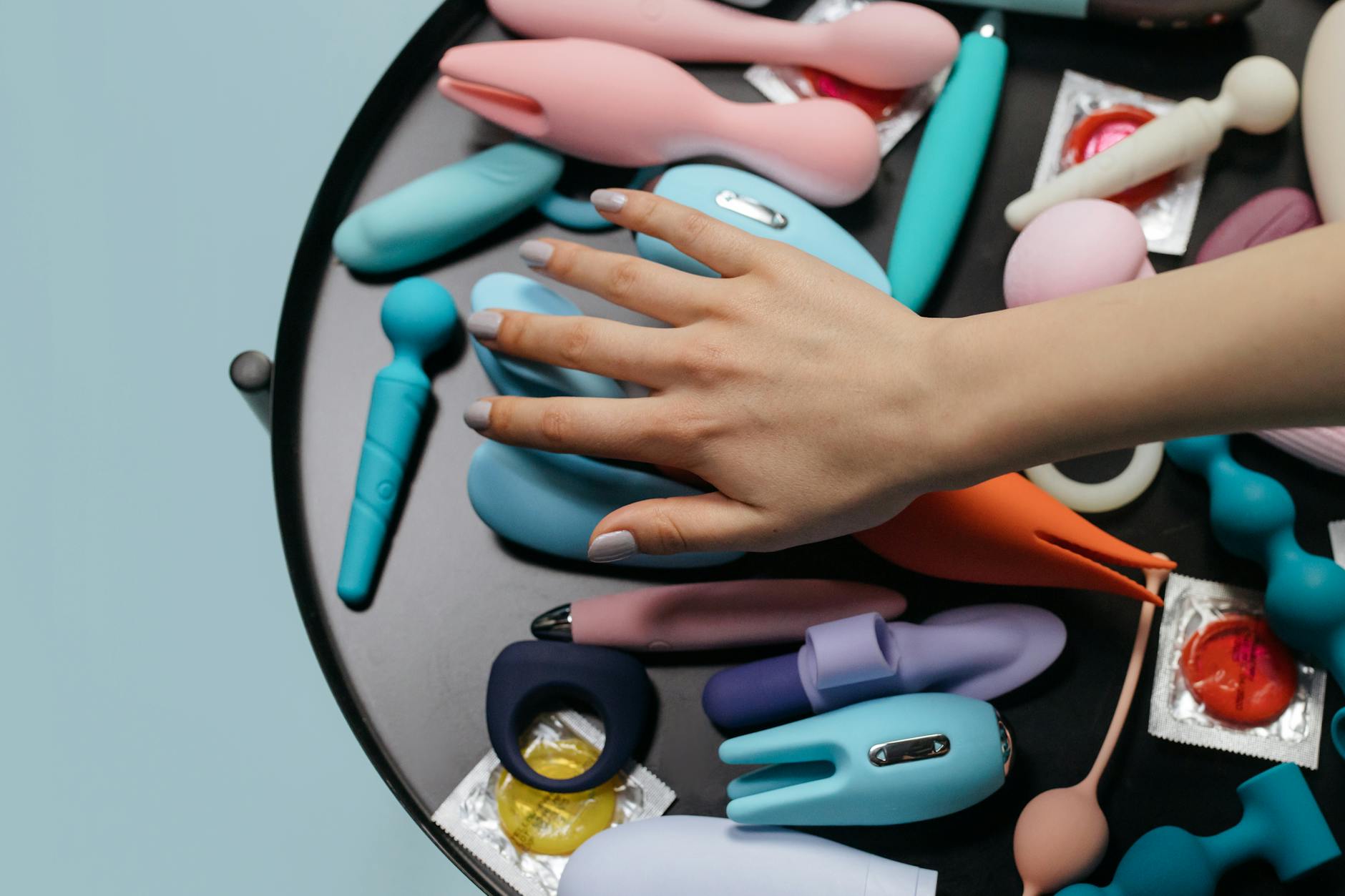
Let's talk about anorgasmia without the doom.
Anorgasmia means orgasms are difficult, delayed, or absent. It's not a sign you're broken. It's not permanent. And it's definitely not the end of your sexual life. Between 15-20% of women experience anorgasmia at some point, but most people don't talk about it, which means you're probably feeling alone with this. You're not.
Here's what I want you to know before we dig in: pleasure and orgasm are not the same thing. You can have incredible sensation, arousal, and satisfaction without the big finish. Lots of people do. But if you want to experience orgasm, or want it more easily, lemon clitoral vibrators can be a powerful tool. Not because they'll "fix" you, but because they change the conversation between your brain and body in specific ways.
What's actually happening with anorgasmia.
Anorgasmia comes in flavors. Some people have never had an orgasm. Some lost the ability after a life change. Some find it takes so long that it stops being pleasurable to wait. Some can't get there with a partner but can alone. Some can't get there at all.
The causes split roughly in half: physical and psychological. Physical causes include medication side effects (SSRIs are the most common culprit), hormonal changes, reduced blood flow to genital tissue, nerve damage, or pelvic floor tension. Psychological causes include anxiety, relationship conflict, trauma, depression, or even just distraction and stress.
Here's the thing: lemon vibrators can't fix a relationship problem or cure depression. But they can address one specific piece of the physical puzzle. They give your nervous system a more intense signal. For many people with anorgasmia, the problem isn't that sensation exists. It's that it's too quiet. The signal gets lost in the noise.
Why lemon vibrators work differently for anorgasmia.
Lemon clitoral vibrators use suction and pulsation, not direct vibration. This matters because direct vibration sometimes registers as numbness after a while. Your nervous system gets used to it and stops responding. Suction creates a different kind of stimulation. It's rhythmic, it builds gradually, and it engages the entire clitoral complex, not just the tip.
For people with anorgasmia, this can mean the difference between "I can feel something" and "Oh, I really feel that." The intensity and pattern variety keep your nervous system engaged instead of habituated.
Research on genital sensation shows that suction-based devices activate nerves differently than vibration alone. They create pressure changes that the body reads as novel stimulus. That novelty is what keeps your arousal ramp from plateauing.
How to use a lemon vibrator with anorgasmia.
If you're new to lemon clitoral vibrators, the temptation is to jump straight to the highest intensity. Don't. Start low and pay attention.
Start with pattern, not power.
Begin on pattern 1 or 2, the gentlest pulse. Spend at least five minutes there. The goal isn't to chase orgasm yet. The goal is to notice what your body feels. Where on the clitoris is the sensation strongest? Is it more intense on the side, the top, or directly over the tip? Does the pulsing rhythm feel good, or does it feel irritating? This mapping is crucial.
Budget real time.
If anorgasmia is part of your experience, sessions probably take longer than average. That's normal. Budget 30-45 minutes, not 10. Arousal takes time to build. Pressure to finish makes it harder. Remove the deadline.
Warm up the nervous system first.
Use your hands, a partner, or just mental focus to get aroused before you pick up the Lem. The vibrator works best when your body is already interested. Think of it as amplifying what's already there, not creating arousal from scratch.
Layer sensations.
Use lube, even if you don't think you need it. It reduces friction and lets the suction work more efficiently. Add mental focus. Some people find that fantasy, erotica, or just focusing on physical sensation helps keep the nervous system engaged. Others find that breathing practice (deeper, slower exhales) helps relaxation.
The emotional piece that might be bigger than the toy.
I've worked with hundreds of people navigating anorgasmia, and here's what I've noticed: the tool (whether it's a lemon vibrator or anything else) is maybe 40% of the solution. The other 60% is what's happening in your head and in your relationship.
If you're anxious about whether you'll orgasm, that anxiety literally makes it harder. The sympathetic nervous system kicks in. Your body tenses. Orgasm becomes a goal instead of an experience. Lemon vibrators can't rewire that alone.
If you're with a partner who feels rejected or threatened by your anorgasmia, that tension lives in your body too. It becomes part of the experience. You're not relaxed. You're performing. You're worried about their feelings instead of your own. No vibrator solves that.
So before you rely entirely on a lemon clitoral vibrator to manage anorgasmia, ask yourself: am I struggling with this alone, or is there a relationship dynamic making it worse? Is there anxiety in my body about sex in general, or specifically about not coming? Am I distracted or stressed about other things? Those are the conversations worth having.
When to bring in a specialist.
If you've been consistent with a lemon vibrator for 2-3 months and nothing's shifted, or if anorgasmia appeared suddenly after medication or trauma, see a doctor. A gynecologist or sex therapist trained in anorgasmia can assess whether there's a physical cause you haven't discovered yet.
If the problem is psychological (which it often is), a therapist who specializes in sex can help. Sometimes the barrier is belief. Sometimes it's past trauma. Sometimes it's just learning to be present in your body instead of in your head. That's work worth doing.
If you're in a relationship, couples therapy isn't a sign of failure. It's a way to make sure you're both moving in the same direction. Anorgasmia can strain partnerships if it becomes a source of shame or pressure. Getting ahead of that matters.
The real goal here.
I want to be clear: the goal is not to become a person who orgasms on command. The goal is to reconnect with pleasure, to reduce the anxiety around whether it'll happen, and to enjoy the experience you're having instead of treating it as a test you might fail.
Lemon clitoral vibrators can help with that. They take some of the pressure off by introducing novelty and intensity. They give your nervous system something it can reliably focus on. That's valuable. But they're a tool in a larger conversation with yourself and possibly with your partner.
Anorgasmia is common, treatable, and nothing to be ashamed of. You deserve to experience pleasure, with or without orgasm. Start there.
FAQ: Common questions about anorgasmia and lemon vibrators.
How long does it usually take to experience an orgasm with a lemon vibrator if I have anorgasmia?
There's no standard timeline. Some people notice a shift within a few sessions. Others need weeks. The key is consistency without pressure. If you're checking your watch or hoping for a specific outcome, that anxiety often makes it harder. Set a time limit you can stick with (say, 30 minutes), use the vibrator regularly (3-4 times weekly), and focus on sensation rather than results. The orgasm is often a side effect of learning to relax, not the goal itself.
Can lemon vibrators make anorgasmia worse?
Unlikely, but intensity matters. If you jump straight to the highest pattern, you might overwhelm your nervous system or create numbness. That's why starting low and building gradually is important. If you notice that using a vibrator makes you feel numb afterward, dial back the duration or intensity. Your nervous system is sensitive. Respect that.
Is anorgasmia the same as low libido?
No, they're separate issues. You can have high desire and anorgasmia. You can have low libido and orgasm easily. Some people have both, and some have neither. If you're struggling with desire as well as orgasm, that's a different conversation. A lemon vibrator helps with sensation and arousal, but if desire is completely absent, that points to something else (stress, depression, relationship issues, hormonal shifts) that's worth exploring with a professional.
Should I use a lemon vibrator alone or with a partner?
Start alone. Anorgasmia often comes with performance anxiety, and having someone watching can make that worse. Use the vibrator solo until you feel confident. Then, if you want to involve a partner, you can. Some people find that partner presence helps. Others find it adds pressure. There's no right answer. Do what makes you feel safe and aroused.
Can medication cause anorgasmia, and can a lemon vibrator help if mine is medication-related?
Yes, medication can cause anorgasmia. SSRIs are the most common culprit, but blood pressure meds, antipsychotics, and others can too. Talk to your prescriber about it. They might adjust your dose, switch medications, or add something to counteract the side effect. A lemon vibrator can help you experience pleasure and arousal despite the medication, but it can't fix the underlying issue. Combine the vibrator with a conversation with your doctor.
What if I still can't orgasm after consistent use of a lemon vibrator?
That's information, not failure. It tells you that the barrier probably isn't lack of stimulation. It's more likely psychological (anxiety, past trauma, relationship dynamics) or hormonal. See a therapist or doctor. Get curious instead of frustrated. Anorgasmia is very treatable when you know what's causing it. A lemon vibrator can be part of the solution, but it's rarely the whole solution.
The bottom line.
Anorgasmia is real, it's frustrating, and it's not your fault. Lemon clitoral vibrators are designed to provide the kind of intense, rhythmic stimulation that can help reawaken sensation and arousal. But the vibrator is only one part. Your nervous system, your emotional state, your relationship, and your beliefs about sex matter just as much. Use the tool. Do the emotional work. Get professional support if you need it. And remember: pleasure exists whether or not orgasm happens. Both matter. You deserve both.
If you'd like to explore how relationship dynamics play into sexual satisfaction more broadly, how to use lemon vibrators for better sensation in long-term relationships might be worth reading. And if anxiety is a big part of your experience, how to use lemon vibrators when you're nervous about pleasure after a breakup covers some of those same nervous-system dynamics.