Let's talk about what happens to your body after time away
Honestly? Your nervous system needs a reset. Whether the break was six months, two years, or longer, your body doesn't simply switch back on like a light. Sensitivity shifts. Response time changes. The anticipation feels different. And then you add the weight of expectation on top, and suddenly what used to be natural feels like learning a foreign language.
Here's what's actually happening physiologically. When you haven't had partnered sex in a long time, your pelvic floor tightens from disuse. Blood flow to your genitals decreases. Neural pathways for arousal get quieter. Your brain has formed new associations around your body that don't involve pleasure. None of this means you're broken. It means you need a deliberate re-entry strategy.
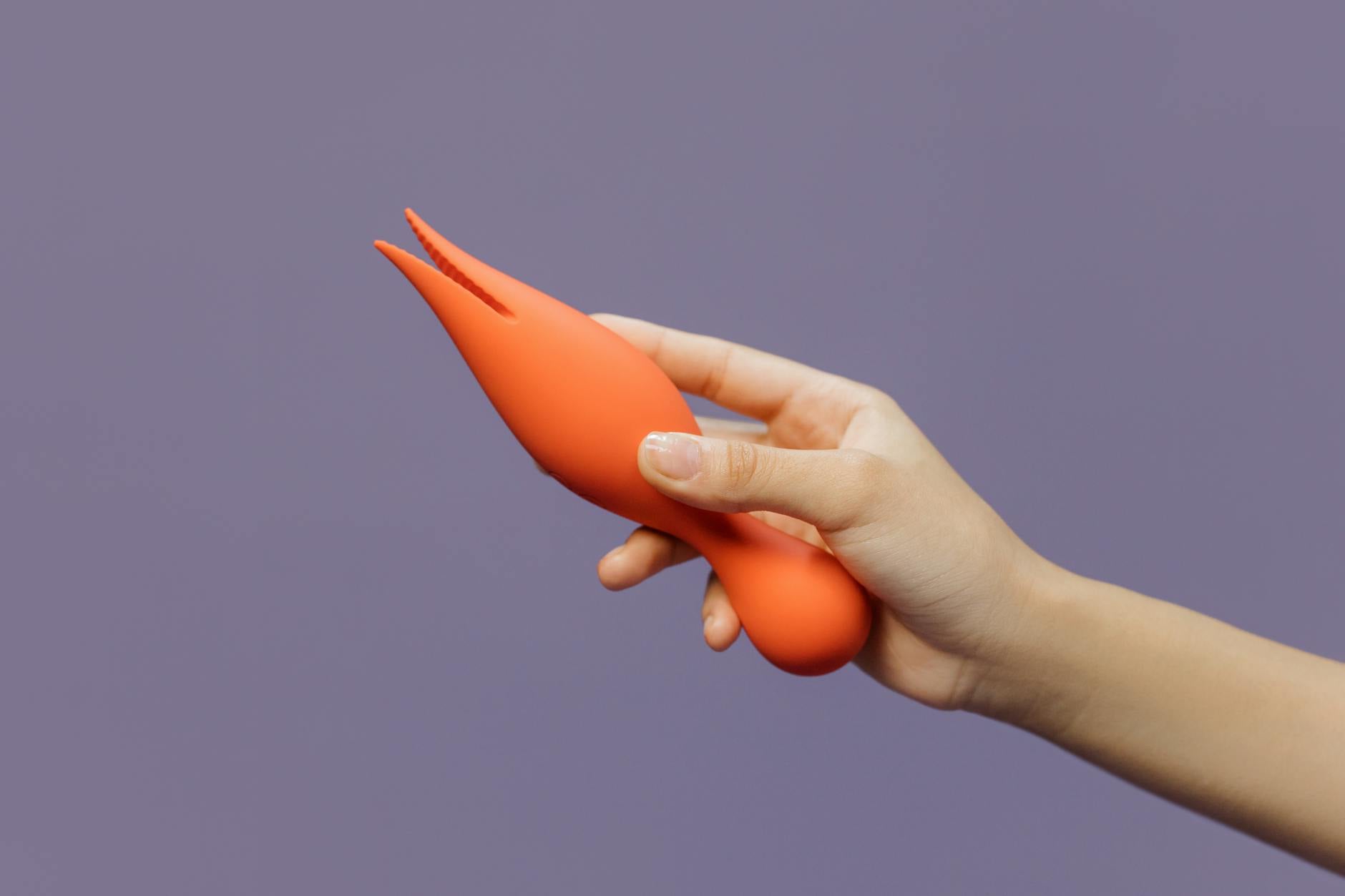
Lemon clitoral vibrators, especially air-suction designs like those from Get Lemon Adult Toy, work particularly well for this because they give you clear, consistent feedback from your body without requiring you to perform or prove anything.
Why sensation feels muted after a sexual pause
Think of arousal like a language you haven't spoken in years. Your body still knows it, but it's rusty. The signals are there, but they're faint.
Sensation desensitization after a long break comes from three places. First, reduced genital blood flow means less natural lubrication and less swelling, which changes how touch registers. Second, your pelvic floor muscles have adapted to being clenched, which actually dampens sensation. Third, and maybe most important, your brain has rewired its pleasure expectations around the absence of sex rather than its presence.
When you and a partner try to jump back in without acknowledging this, you're asking your nervous system to skip three chapters in the story. That's why partnered sex often feels awkward, uncomfortable, or just flat after a pause. Your body isn't being stubborn. It's being protective.
Lemon vibrators help because they provide constant, predictable input. That predictability is exactly what your nervous system needs to start remembering what pleasure feels like again. It's not about intensity. It's about reestablishing the conversation between your brain and your body.
The physiological reset that lemon vibrators offer
Here's the part most people miss. When you use a clitoral vibrator, even solo, you're doing several things at once. You're increasing blood flow to the area. You're activating nerve pathways that have been dormant. You're teaching your pelvic floor what relaxation feels like again. And you're literally rewiring your brain's pleasure associations.
With lemon adult toys specifically, the gentle suction stimulation works on a different neural pathway than direct vibration. This matters for people whose sensitivity has dulled, because suction recruits deeper nerve fibers that vibration alone might miss. It's a different signal being sent to your brain, which can feel more novel and more engaging after a long break.
When you're reintroducing sexuality with a partner after time away, using a lemon vibrator solo first gives you data. You learn what intensity you can handle. You remember what arousal physically feels like. You build tolerance and confidence in your own body before adding the complexity of partner dynamics.
How to restart sensation with a partner present
The temptation is to go straight to partnered sex and hope it feels normal. It won't. Not immediately. That's not failure. It's biology.
Start by reestablishing solo sensation first. Use your lemon clitoral vibrator for two to three weeks, several times a week if possible. You're not trying to reach orgasm necessarily. You're mapping sensation. Notice what patterns feel good. Pay attention to your arousal timeline. Track whether sensation is intensifying or staying the same. This gives you a roadmap for conversations with your partner.
Then introduce the vibrator into partnered play. This is where things get interesting. Your partner can hold the vibrator while you direct them. You can use it while they touch you elsewhere. The key is that you're building pleasure together while removing the pressure on them to manually recreate sensations your body may not be ready to feel yet.
Many couples find that this actually strengthens intimacy because there's communication happening. You're literally telling your partner what your body needs. They're actively listening and responding. That feedback loop is often more connecting than traditional sex ever was.
What to expect in the first few weeks
Your body may not respond on a typical arousal timeline at first. You might need 20 minutes of buildup instead of five. You might feel sensation only in certain spots. Orgasm might feel distant or impossible. All of this is normal and temporary.
The first sign of progress isn't usually an orgasm. It's when sensation starts feeling more localized and intentional. You'll notice that your body is responding slightly faster to stimulation. You might feel a warmth or tingling that wasn't there before. You might find that your mind stays present during partnered touch instead of drifting. These are the real wins.
One practical thing: use a water-based lubricant even though you may think you don't need it. After a long break, genital tissue can be thinner and more sensitive, even if you're not in menopause. Lubrication isn't a sign of failure. It's a tool that makes sensation more comfortable and pleasure more accessible. Your lemon vibrator will work more effectively with it, and your partner will too.
Emotional components that matter as much as physical ones
Here's what I see most often in my practice. Couples restart sex, feel disappointed by how their bodies respond, and then assume something is wrong with desire or attraction. What's actually happening is they're trying to skip the emotional reentry.
If you've been away from sex for a long time, there's often a reason. Grief. Stress. Relationship strain. Medical issues. Medication. Sometimes all of those at once. Your body remembers that. It's not being stubborn. It's being protective.
Before or alongside using lemon vibrators, have a conversation with your partner about what happened during the break. Not to assign blame, but to acknowledge that something shifted. Then be explicit about what you need moving forward. You need them to be patient. You need them to check in with you. You need them to not take your body's hesitation personally.
Many partners are relieved when you hand them this framework because they're already worried they've done something wrong. Giving them permission to be part of the solution, rather than the problem, changes everything.
How long until sensation fully returns
There's no standard timeline, and I want to be honest about that. Some people rebuild responsive sensation in four to six weeks. Others need three months. Some need longer.
What matters is direction, not speed. Are you becoming more sensitive week to week? Is partnered sex becoming less awkward? Are you finding positions or touches that work? Are you and your partner communicating better? If the answer to those questions is yes, you're progressing.
If sensation isn't improving after eight weeks of consistent use of lemon vibrators and partnered attention, check in with your doctor. Sometimes reduced sensation points to an underlying condition that needs addressing. Thyroid issues, low testosterone, hormonal changes, or circulatory problems can all dampen arousal. None of them are permanent, but they may need specific treatment.
The role of lemon vibrators in rebuilding trust with your body
There's something specific that happens when you use a tool like a lemon clitoral vibrator to reconnect with sensation. You stop being passive about your pleasure and become intentional about it. That shift matters not just for solo exploration but for how you show up with your partner.
When you know your body's actual responses because you've spent time alone with a vibrator, you can tell your partner what works. You can guide them. You can stop guessing and start directing. That agency over your own pleasure is often the part that makes everything else feel better.
The vibrator isn't a replacement for your partner. It's a translator between what your body needs and what your partner wants to provide.
When to seek support beyond DIY reconnection
If anxiety spikes when you try to use a vibrator, or if touching your own genitals triggers discomfort, talk to a sex therapist. Sometimes a sexual pause is connected to trauma, and reawakening that part of yourself needs professional guidance.
If your partner is pushing for faster progress than your body wants to give, that's a couples therapy conversation. Your body's timeline is valid. Pressure to perform faster isn't helpful and often extends the problem.
And if you're feeling persistent numbness or pain, get it checked medically before attributing it to the time away. Sometimes pain is just time. Sometimes it's a physical issue that has an actual solution.
You deserve to feel pleasure again. Your body is capable of it. It just needs the right conditions: patience, good information, a reliable tool like a lemon vibrator, and a partner who understands that reconnection is a process, not a switch you flip.
Frequently asked questions
How often should I use my lemon vibrator when restarting after a sexual pause?
Aim for three to four times a week in the first month. You're teaching your nervous system that pleasure is available and safe. Consistency matters more than duration. Ten minutes of regular use beats sporadic 45-minute sessions. After sensation starts returning, you can adjust based on what feels right.
Can I use a lemon vibrator with my partner present if I'm nervous about it?
Absolutely. Many people feel more comfortable with their partner in the room for reassurance during that first reconnection. You're not performing for them. You're exploring in a safe space. Let them know beforehand what you're planning so there's no surprises. Some couples find that seeing each other reconnect with pleasure is genuinely connecting for both of them.
What if my partner feels threatened by vibrator use after we restart sex?
This is worth a direct conversation. Often partners worry that a vibrator means they're not enough, or that you're preferring the toy. Frame it differently. You're using the vibrator to rebuild your own sensation so that partnered sex feels better for both of you. This is collaboration, not competition. If the concern persists, couples therapy can help unpack what's underneath that worry.
Is it normal for orgasms to feel different after a long sexual pause?
Completely normal. Your pelvic floor has changed. Your hormones may have shifted. Your mental state is different. All of that affects orgasm quality and intensity. When you restart, expect orgasms to feel new, not like going back to a previous experience. Some people report they're more intense. Others say they're softer. Neither is wrong. Your body is relearning its own language.
How do I know if reduced sensation after time away is temporary or a sign of something medical?
The distinction is usually progression. If sensation is gradually improving week to week, you're likely dealing with a normal reawakening. If it's completely flat after six to eight weeks despite consistent use of lemon vibrators and partner touch, get evaluated. Ask your doctor about hormonal status, medications, circulation, and neurological function. Reduced sensation can point to fixable issues like low iron, thyroid dysfunction, or medication side effects.
Should I tell my partner I'm using a vibrator solo to reconnect, or keep it private?
That depends on your relationship agreements, but I generally recommend openness. Transparency removes shame and builds trust. When your partner knows you're doing intentional work to rebuild sensation, they understand your progress and feel included in the effort. Secrecy often breeds suspicion. Collaboration breeds connection.
The bottom line
After time away from partnered sex, your body isn't broken. It's just been living in a different reality. Reconnecting takes intention, patience, and the right tools. A lemon clitoral vibrator from Get Lemon Adult Toy gives your nervous system clear input about what pleasure feels like again. It's a bridge between where you are and where you want to be.
The goal isn't to recreate what sex felt like before the pause. It's to build something that works for who you are now. That's often better. If you're struggling with the emotional side of reconnection or if sensation isn't improving, reach out to a therapist who specializes in sexual health and relationship dynamics. You don't have to figure this out alone.