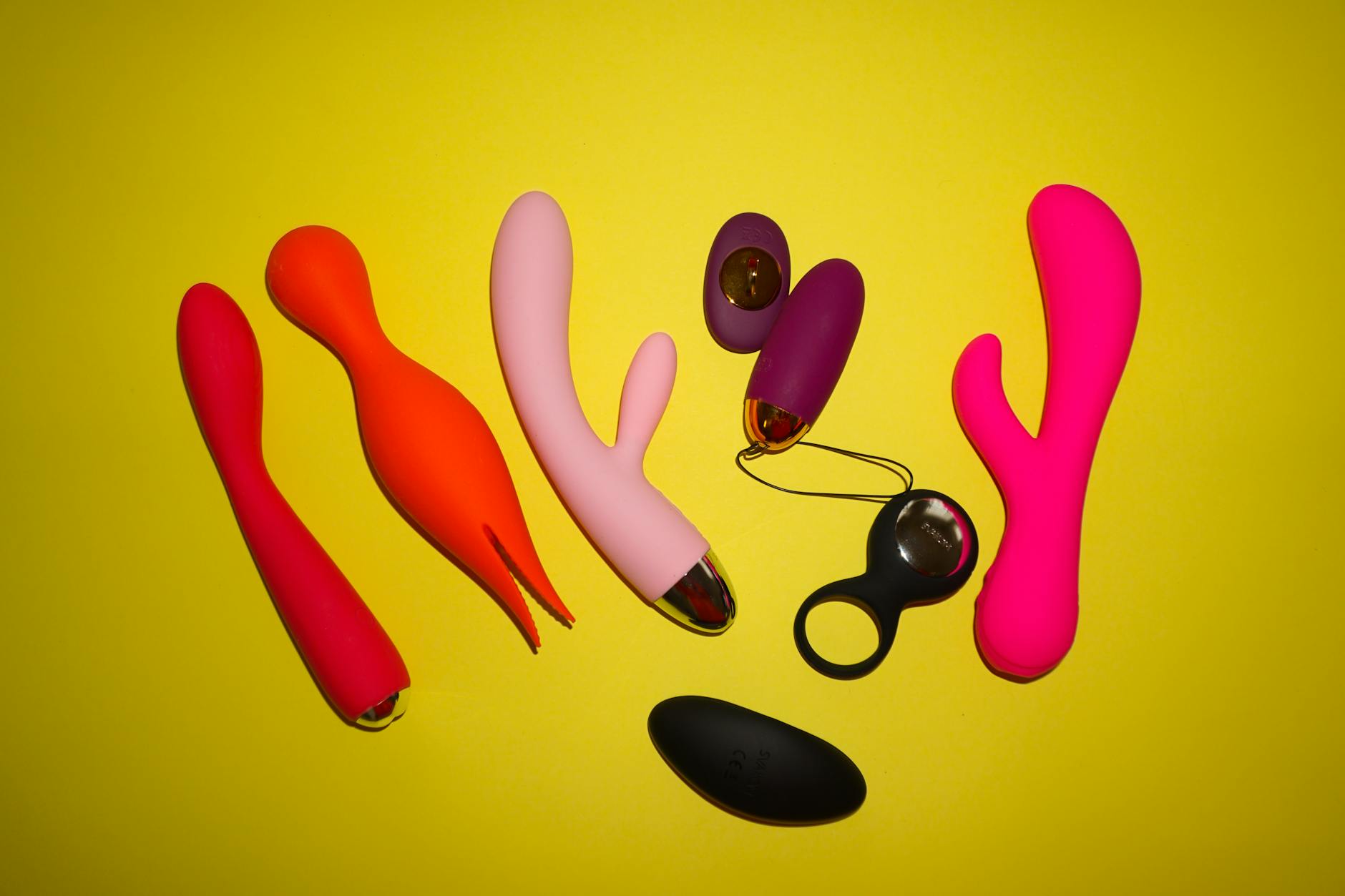
Let's talk about pregnancy and pleasure, honestly
Pregnancy changes everything about sex, and that's not drama. It's biology. Blood flow increases, tissue becomes more sensitive, your body is literally a different shape, and fatigue is real. Most couples either stop having sex entirely or keep going with the same rhythm and wonder why nothing feels right anymore. Neither approach works.
Here's what I've learned working with hundreds of couples navigating this transition: a lemon vibrator, specifically the clitoral stimulation route, can actually restore connection during a time when everything else feels uncertain. Not because it's a magic fix, but because it shifts the focus away from penetration (which feels different and often uncomfortable now) and toward sensation that works with your changing body, not against it.
How pregnancy reshapes sensation
Your clitoris swells during pregnancy due to increased blood flow. Sounds great in theory. In practice, this means it becomes hypersensitive. Direct touch that felt amazing six months ago now feels too intense or even painful. The vaginal and vulvar tissue thickens and softens. Your center of gravity shifts. Lying on your back for more than a few minutes becomes uncomfortable. Orgasms change shape and intensity. Some people find them easier to reach. Others find them more elusive.
What stays the same: your desire for connection, your capacity for pleasure, and your partner's ability to make you feel good. The map just needs redrawing.
Why lemon clitoral vibrators work better than your old approach
A lemon vibrator, or lemon sucker as some call them, uses suction and gentle pulsing rather than direct vibration. This matters enormously during pregnancy.
Direct vibration can feel too intense on hypersensitive tissue. Suction allows for stimulation without the sharp sensation. It's gentler, more rhythmic, and easier to dial up or down based on what your body wants in that moment. You're not fighting against sensitivity. You're working with it.
Second, clitoral vibrators put the focus on your pleasure in isolation, which reduces pressure on your partner. They don't have to "perform" penetration or wonder if they're doing it right. They can focus on you, on kissing you, on being present, while the vibrator handles the mechanical part. This often brings couples closer because the pressure lifts.
The physical setup that actually works
Forget positions designed for deep penetration. You're not doing those right now. Instead, think about comfort and access.
Side-lying is your friend. Lie on your left side (better for circulation and baby), knees slightly bent. Your partner can spoon behind you or face you at a slight angle. This removes pressure from your belly, keeps your weight off your back, and gives easy access for a lemon clitoral vibrator. Neither of you is supporting weight. The mattress is.
If you're sitting, a reclining chair or bed with pillows behind your back works. Prop yourself at a 45-degree angle rather than flat. Put a pillow between your knees if it feels better. Your partner can kneel or sit beside you. Again, no one is bearing weight, and the vibrator is accessible.
What doesn't work: flat on your back for long, anything requiring you to support weight, anything that puts pressure on your belly. Listen to your body. If a position feels off, stop.
How to introduce a lemon vibrator into partnered play
Start with conversation, not with the toy. Say something like: "My body feels really different right now. I want to stay close to you, but I think we need a new approach." That's honest. That opens the door.
Show your partner the lemon vibrator. Explain how it works. Let them hold it, experiment with it on their own hand so they understand the sensation. Remove mystery. Remove embarrassment.
Start slow. Warm up together however you normally do. When you're ready, have your partner use the vibrator on the clitoral area while they kiss you, touch your breasts, or simply lie close. They're not trying to "give you an orgasm." They're exploring what feels good right now, together.
Set low speeds initially. You might find that intensity 1 or 2 feels perfect when before you needed 7. That's normal. Your nervous system is more activated during pregnancy.
Communicate constantly. "Softer." "More pressure on the left side." "Slower." "Keep doing that." Your partner can't read your mind, and you won't know what works until you try. Make it easy for them to help you feel good.
When sensation feels overwhelming or numb
Some pregnant people find everything too intense. Others find they can't feel much at all. Both are pregnancy.
If everything is overwhelming: start with the vibrator on the lowest setting, or even just hold it near (not on) the area without turning it on. Sometimes anticipation is enough. Sometimes you need the toy to be part of the experience without being the main event. That's fine.
If you feel numb: this is often not a vibrator problem but a nervous system problem. Fatigue, anxiety, and stress dim sensation during pregnancy. A lemon vibrator won't fix that. What helps is rest, connection with your partner outside the bedroom, and sometimes talking to a therapist. The toy is part of the solution, not all of it.
The emotional part that nobody talks about
Here's what I see over and over: couples avoid sex during pregnancy not just because it's uncomfortable, but because they're afraid. Afraid of hurting the baby. Afraid of starting labor. Afraid that their partner isn't attracted to them anymore. Afraid that if they stop having sex, the relationship will drift.
Most of these fears are unfounded. Sex during pregnancy doesn't hurt the baby. Orgasms don't trigger labor (unless you're already at term and your body is ready). Your partner can still find you attractive, even as your body changes. And the couples who stay most connected during pregnancy are the ones who talk about it, not the ones who white-knuckle through the discomfort.
A lemon vibrator is a conversation starter. It's permission to say, "Let's try something different." It removes the pressure to replicate what came before. It says, "Your pleasure matters, and we're in this together."
FAQ: Common questions about lemon vibrators during pregnancy
Is it safe to use a lemon clitoral vibrator while pregnant?
Yes, if your healthcare provider hasn't told you to avoid sexual activity. Vibrators don't cause infection or miscarriage. They don't stimulate labor unless you're already at term and your body is ready. If you've had a high-risk pregnancy or complications, ask your doctor. Otherwise, it's fine. Keep the vibrator clean and use water-based lube if needed.
Can my partner use a lemon vibrator on me if I have a cervical cerclage?
Talk to your OB. A cerclage is placed to prevent early labor, so any activity that might trigger contractions needs medical clearance. Most doctors say clitoral stimulation alone is fine, but internal vibration isn't. A lemon vibrator focuses on the clitoris, so it's often safe. But check with your care provider first.
What lube should I use with a lemon vibrator during pregnancy?
Water-based lube only. Your tissue is already more sensitive, and some lubes contain irritants that your body won't tolerate right now. A simple water-based option like a basic drugstore brand works fine. Avoid silicone-based lubes with silicone vibrators, and avoid anything with numbing agents. You want to feel what's happening.
Can orgasms during pregnancy cause labor?
No, not unless you're already full-term and your body is ready. Braxton-Hicks contractions might happen during or after an orgasm. That's normal. If contractions continue after 30 minutes or increase in intensity, call your doctor. But orgasm itself doesn't trigger premature labor. Your uterus is designed to handle it.
Should I tell my partner I want to use a lemon vibrator, or should I just suggest it?
Tell him directly. Something like: "I've been thinking about how my body feels different right now. I found this vibrator that might help us both feel better about sex. Want to try it together?" Directness removes shame. It says you're a team problem-solving together, not you bringing in a toy because something is wrong with him or you. The tone matters more than the exact words.
What if using a lemon vibrator during pregnancy doesn't lead to orgasm?
That's okay. The goal isn't necessarily climax. It's sensation, connection, and staying intimate during a time when everything is changing. Some people orgasm easily during pregnancy. Others don't. Both are normal. Focus on what feels good and what brings you closer, not on achieving a specific outcome.
Keeping the connection alive
Pregnancy is a transition season. Your body is doing something extraordinary. Your relationship needs tending, not ignoring. A lemon vibrator won't solve relationship problems, but it can be a tool for staying curious about each other, for communicating about pleasure, and for remembering that you're still partners, not just co-parents-in-waiting.
The couples I work with who navigate pregnancy intimacy best are the ones who talk openly, stay playful, and adapt their expectations. A vibrator is just permission to do that. You've got this.
If you want to dive deeper into rebuilding connection with your partner during life transitions, we're here to help. Reach out at /contact to talk through what's working and what isn't.