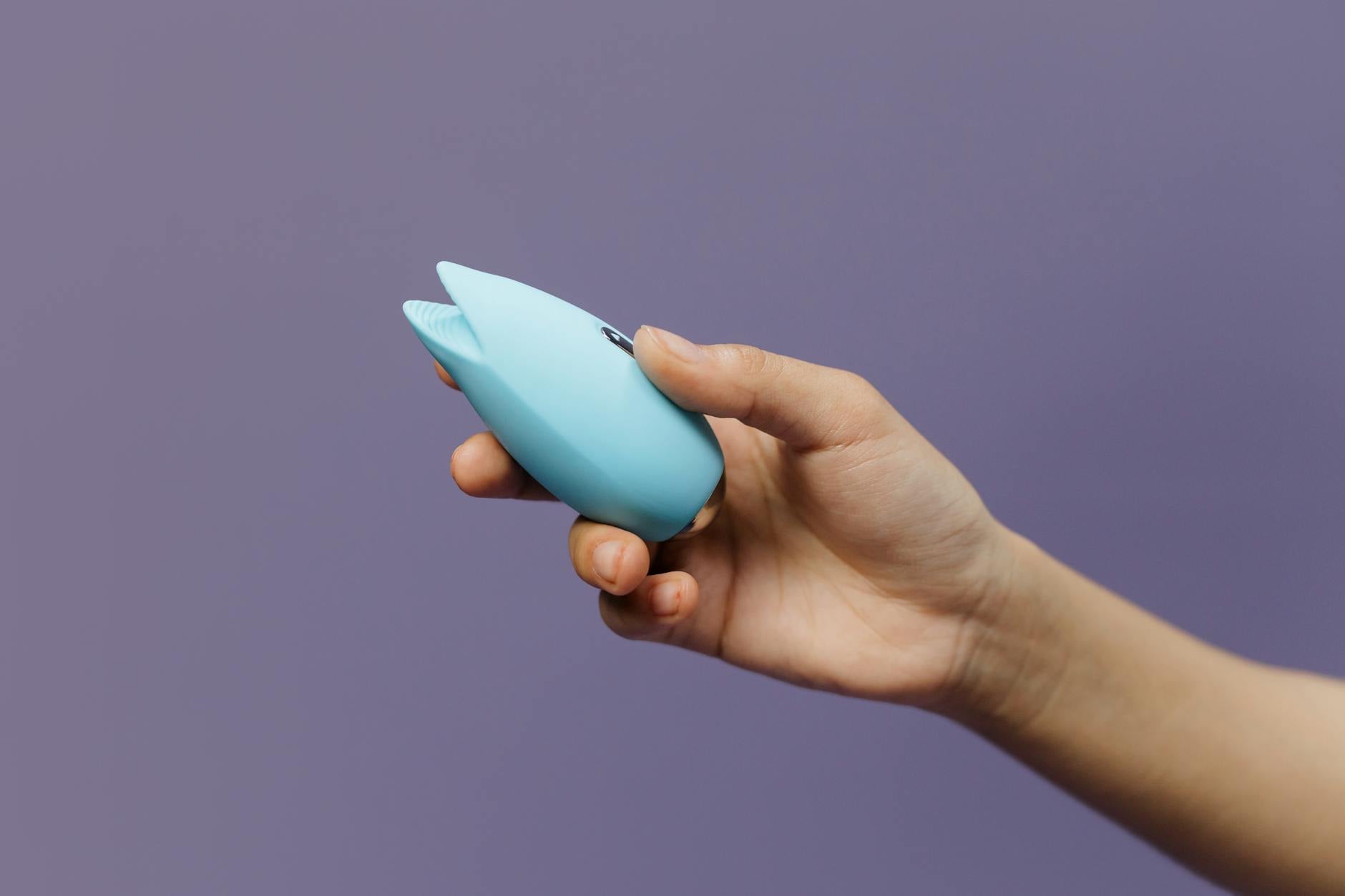
Let's be real about sensitive skin and pleasure
You're not broken. Sensitive skin plus anxiety around pleasure is actually a pretty common combination, and it's not a stop sign on your pleasure. It's just information about what your body needs to feel safe. The good news: lemon vibrators, with their gentle suction design, can be exactly the right tool once you know how to use them thoughtfully.
I work with people all the time who've convinced themselves they can't use toys because of sensitive skin or because performance anxiety makes their body go into lockdown. What usually changes things is removing the pressure to perform and building back trust through pacing. That's the whole point of this guide.
Why lemon vibrators can work better for sensitive bodies
Most vibrators use direct vibration, which can feel intense or overstimulating on reactive skin. Lemon clitoral vibrators, by contrast, use suction and gentle pulse patterns instead of harsh buzzing. That suction mechanism means the stimulation is gentler and more diffuse. You're not hammering one spot. You're creating a soft pull that engages the entire clitoral area.
For people with skin that's reactive to friction, dryness, or irritation, this matters. You get powerful sensation without the rawness that sometimes comes with traditional vibrators. The suction also creates a seal, which means patterns can feel more pronounced even at lower intensities.
Another benefit: you have granular control. A lemon vibrator like the one Hello Nancy makes has multiple pattern options, and you can start at pattern one. Not pattern three. Not "whatever feels strong." Pattern one. That control reduces the anxiety spiral where you assume you need to jump straight to intense stimulation.
Starting slow when anxiety is in the picture
Performance anxiety during solo sessions sounds like a contradiction, but it's real. You might feel pressure to come quickly, to respond "correctly" to the toy, or to prove to yourself that you can still experience pleasure. That pressure creates tension, which blocks sensation. It's a closed loop.
The only way out is to agree with yourself that there's no outcome to achieve. The goal of your first session with a lemon vibrator is not an orgasm. The goal is information. How does this feel? What sensations show up? Where? What patterns feel interesting versus uncomfortable?
Start in a space where you won't be interrupted. Turn off your phone. Give yourself at least 20 minutes, but don't set a timer watching for an ending point. Instead, set a timer for when you want to gently wrap up. This distinction removes the performance clock.
Begin with the toy off. Hold it. Feel the weight. Notice the material (medical-grade silicone is smooth and slightly cool). Get comfortable with the object before it becomes a tool. This sounds simple, but it's how you build nervous system regulation with the toy.
Lubrication is non-negotiable with sensitive skin
I cannot overstate this: use lubricant. Even if you think your body is producing enough on its own, use it anyway. Here's why.
With sensitive skin, friction is your enemy. Even a tiny amount of friction can trigger irritation hours after a session. A good water-based lubricant eliminates that friction entirely. It also makes the suction seal more effective, so the toy works better while doing less mechanical work.
Choose a water-based lubricant over silicone-based products, because silicone can degrade the silicone toy itself over time. Look for formulas without glycerin or parabens if your skin is reactive. There are brands specifically formulated for sensitive vulvas. Apply generously. More than you think you need. The lube should feel slick, not tacky.
Reapply during a session if things start to feel dry. Your body's arousal might fluctuate, especially if anxiety is present. Topping up the lube is not a failure or a sign something is wrong. It's maintenance.
After a session, rinse away the lube and pat dry. Leaving residue can trap bacteria and cause irritation. If you notice any redness or burning in the hours after, skip a session and let things settle.
Pattern selection for anxiety-prone bodies
Here's what I recommend to almost everyone starting with a lemon vibrator when anxiety is present.
Ignore the "strongest" mode. You don't need it yet. Start with pattern one. Spend two or three sessions just exploring what pattern one feels like. Notice the rhythm. Does it feel soothing or jerky? Does your body relax into it or tense up?
Pattern one on a lemon vibrator is still quite effective. It's not a "training wheels" setting. It's a full sensation, just at a pace your nervous system can process without going into alert mode.
Once pattern one feels genuinely boring and you're having consistent pleasurable responses, move to pattern two. Not because you "should," but because you're curious. Stay there for a few sessions. The slower progression sounds tedious, but what you're actually doing is rewiring your nervous system to trust that pleasure doesn't require going zero-to-one-hundred.
This builds confidence. By the time you explore higher patterns, you've already had multiple good experiences. Your body knows the toy isn't a threat. Your anxiety has less to grip onto.
Positioning and pressure when skin is reactive
Don't press hard. This is the second most important thing after lubrication, especially with sensitive skin. The suction seal is doing the work. Your hand should be guiding, not pushing.
Hold the lemon vibrator gently against your vulva. Let gravity and the seal do the job. Many people intuitively press down thinking "more pressure equals more sensation," but with suction toys, it's the opposite. Pressure actually reduces the seal's effectiveness and increases friction on sensitive tissue.
Try different angles. Direct contact on the clitoral glans might feel too intense. Move the toy slightly lower to stimulate the clitoral body, or angle it sideways to engage the clitoral arms. This distributes stimulation and prevents the overstimulation that happens when you're focused on one anatomical point for too long.
If you find direct contact uncomfortable, you can also use the toy over underwear or through a thin cloth. This sounds weird, but it genuinely muffles intensity and some people with sensitive skin find it's the perfect entry point.
Building trust after a bad experience
Sometimes sensitive skin or anxiety comes from a previous experience where a toy caused irritation or didn't feel good. You're now carrying both physical memory and emotional resistance.
In this case, take longer between sessions. Do one every five to seven days instead of every few days. This gives your body and mind a real reset. Between sessions, focus on non-sexual touch that feels safe. Massage your own shoulders. Take a bath. Let your body remember that touch can be soothing, not always productive.
When you do use the lemon vibrator again, expect your body to be skeptical. That's normal. It's not broken. It's protecting you. Go slower than you think you need to. Spend whole sessions at pattern one with no goal except to notice sensations that feel good. Don't push toward orgasm.
Your nervous system will gradually learn that this toy isn't going to hurt you. But it learns through repeated positive experiences, not through willpower. Give it time.
When to take a break
If irritation shows up, stop. This isn't failure. It's information. You might need longer recovery time between sessions. You might need to switch lubricants. You might need to reduce session length.
Watch for redness, burning that lasts more than an hour after a session, or unexpected discharge. These are signs to pause and let things settle. There's no medal for powering through discomfort.
Anxiety that spikes during a session is also a sign to stop. If you find yourself tensing up and feeling panicked, close down the session with compassion. Your body is telling you it's not ready yet. That's okay. You come back to it when your nervous system feels calmer.
A note on realistic timelines
Building a sustainable relationship with pleasure when you have sensitive skin or anxiety takes time. You're not trying to achieve an outcome. You're trying to change the relationship your nervous system has with this particular sensation.
Expect the first month to feel slow. You might not experience intense pleasure. You might just experience "that felt interesting" or "that didn't hurt." Both are wins. After six to eight weeks of consistent, low-pressure sessions, most people report that sensation deepens and responses become more reliable.
If you have a partner, this timeline matters for communication too. You're not trying to perform for them. You're building your own reference point for what feels good. Once you know that, partnered sex becomes easier, not harder.
This is the long game. And honestly, the long game is where pleasure actually lives.
People also ask
Can you use a lemon vibrator if you have vulvodynia or chronic pelvic pain?
Vulvodynia and lemon vibrators need clinical guidance. Start by talking to a pelvic floor physical therapist or a gynecologist who specializes in chronic pain. They can tell you whether suction-based stimulation is safe for your specific situation. Some people with vulvodynia find gentle suction soothing. Others find any direct stimulation activates pain. There's no universal answer, but a professional can help you figure out your specific picture.
How often should you use a lemon clitoral vibrator if you have sensitive skin?
Start with once a week. This gives your skin time to recover between sessions. As your body builds tolerance and you develop confidence, you can move to twice a week or more. If you notice increasing irritation, scale back. Your body will tell you its rhythm once you start paying attention to it.
Do you need to use lube with a lemon vibrator if you have sensitive skin?
Yes. Even if you're naturally lubricated, add lube. A water-based formula eliminates friction and makes the suction seal more effective. It also prevents the micro-tears that can happen with friction on reactive tissue. This isn't optional. It's fundamental.
What's the difference between anxiety that's performance-based versus physical sensitivity?
Performance anxiety usually shows up as thoughts like "I need to come" or "my body should respond faster." Physical sensitivity shows up as discomfort, irritation, or burning. You can have both at once. The approach is different. Performance anxiety needs pacing and removing the outcome focus. Physical sensitivity needs lubrication, shorter sessions, and longer recovery time between use. Address both to feel the difference.
Can you use a lemon vibrator during your period if you have sensitive skin?
Yes, but with caution. Your skin is often more reactive during menstruation because hormonal shifts change tissue thickness and blood flow. If you want to use a lemon vibrator during your period, use extra lubrication, shorter sessions, and the lowest intensity patterns. Some people find it soothing. Others find it overstimulating. Experiment in low-pressure sessions to see what your body likes.
What should you do if a lemon vibrator causes irritation or redness?
Stop using it immediately. Rinse with warm water, pat dry, and wear breathable underwear. Skip sessions for three to five days. If redness persists beyond 24 hours, see a gynecologist to rule out infection. When you're ready to try again, use more lubricant, lower intensity patterns, and shorter sessions. If irritation returns, you might need a different toy or a different approach entirely. Your body's feedback matters.
The bigger picture
Sensitive skin and anxiety are not character flaws. They're not reasons to avoid pleasure. They're just constraints that require you to pay more attention to what your body actually needs instead of what you think it should want. A lemon vibrator is a tool, and like any tool, it works best when you're using it intentionally.
Your pleasure matters. The person you are, with sensitive skin and racing thoughts, deserves good information and the space to figure out what actually works. That's what this guide is. Not a prescription. Information. Start where you are, move at the pace your body trusts, and let yourself be surprised by what opens up when you stop forcing it.
If you'd like more support thinking through how pleasure fits into your relationships more broadly, get in touch. That's what I'm here for.
Resources
For more on using lemon vibrators mindfully, check out our guide on <a href="/blog/how-to-use-lemon-vibrators-during-solo-sessions-without-desensitization">how to use lemon vibrators during solo sessions without desensitization</a>. If you're exploring with a partner, our piece on <a href="/blog/why-lemon-vibrators-feel-better-with-a-partner">why lemon vibrators feel better with a partner</a> walks through communication strategies that ease the transition. And if you're new to toys altogether, <a href="/blog/how-to-use-lemon-vibrators-for-beginners-safe-tips">the beginner's guide to lemon vibrators</a> covers the fundamentals in plain language.
For questions about your specific health situation, reach out to a pelvic floor physical therapist or a gynecologist trained in sexual medicine. And if you'd like to talk through how this fits into your relationship or your own pleasure journey, <a href="/contact">contact Hello Nancy</a> and we can connect.