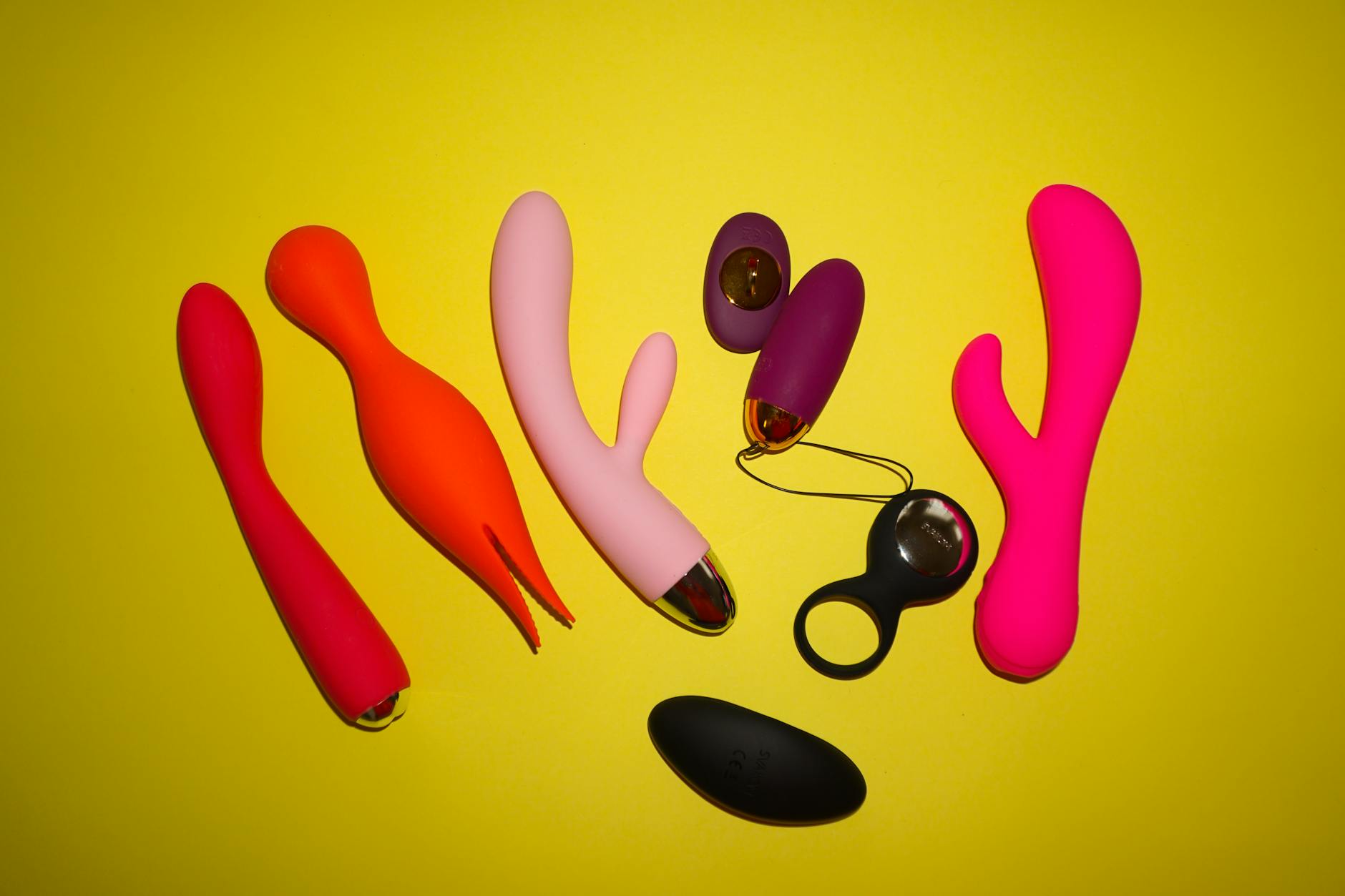
The science: why your lemon vibrator calms your nervous system
Here's what happens when you use a lemon clitoral vibrator intentionally. Within seconds, the suction and vibration activate your parasympathetic nervous system. That's the part of your body that says "rest, digest, it's safe now." Your cortisol (stress hormone) drops. Your heart rate slows. Your muscles release tension they've been holding for hours, or sometimes days.
This isn't metaphorical. Brain imaging studies show that orgasm and pleasure-focused stimulation quiet the amygdala, the part of your brain that fires up during anxiety. You're literally telling your fight-or-flight system to stand down.
The difference between using a lem vibrator and, say, taking a walk is timing and intensity. A walk is gentle and cumulative. A lemon vibrator is acute and immediate. Both are tools. What we're talking about here is which tool fits which moment.
Why lemon vibrators work better for anxiety than other pleasure tools
Three reasons specific to how lemon vibrators work:
1. The suction pattern is predictable. Anxiety loves uncertainty. Your brain is scanning for threat, so it gets hooked on the unpredictable. A lemon vibrator's suction rhythm is consistent and patterned. Your nervous system learns it's safe within five seconds. The predictability itself is calming.
2. Intensity is dial-able. With a lem vibrator, you control everything. You start at pattern 1, you stay there, you can drop it anytime. This sense of control is the opposite of what anxiety does. Anxiety tells you you're helpless. A clitoral vibrator reminds you you're in charge.
3. The sensation is localized but full-body. When you focus stimulation on your clitoris with a lemon sucker, the pleasure radiates. It's not scattered mental effort like meditation (where half your brain is checking if you're doing it right). It's embodied. You can't think about your deadline or your argument with your partner because your body is literally occupied.
When to reach for your lemon vibrator for anxiety
The best time to use a lem vibrator for anxiety is when you notice the early signs, not when you're fully spiraling.
Early signs look like: your shoulders are up around your ears. You've been scrolling for 20 minutes without reading anything. Your chest feels tight. You've had the same thought loop three times. You're grinding your teeth.
That's when 5 to 15 minutes with your lemon clitoral vibrator will interrupt the cascade before it gets worse.
Less useful: waiting until you're in full panic. At that point, grounding techniques (cold water on your face, heavy pressure, sound) are more neurologically appropriate than pleasure. But once you're back to baseline? A lemon vibrator will prevent the next spiral.
Also useful: at night, when anxiety peaks as a second wave. Many people with anxiety notice it hits twice. Morning anxiety (usually cortisol-related and attachment-related). Evening anxiety (processing the day). A lemon sexual toy in the evening can help reset your system before sleep.
How to set up your lemon vibrator session for maximum calming
This isn't about orgasm, though orgasm often happens. This is about nervous system reset. The setup matters.
Remove the goal. If you're using your lem vibrator to manage anxiety, you're not trying to come. You're trying to feel pleasure and drop your cortisol. This distinction is huge. The second you decide "I should orgasm right now," you've invited performance anxiety back in. Instead, say: "I'm using this to feel good and calm down. Whatever happens is fine."
Lock the door or turn off your phone. Anxiety thrives when part of your brain is monitoring for interruption. Close the window. Silence everything. Your nervous system needs to know you're actually safe.
Start with breath. Spend 30 seconds just breathing before you touch yourself or turn on your lemon clitoral vibrator. Three counts in, hold one, four counts out. This activates the parasympathetic system on its own, so your vibrator session amplifies an already-calm state.
Use lubricant. Even if you don't think you need it. Water-based lube makes everything more comfortable and removes friction that your anxious brain might interpret as threat.
Stay with sensation. As you use your lemon vibrator, notice what you're actually feeling. The pressure. The rhythm. The warmth building in your body. When anxiety pulls your attention to a worry, gently bring it back. "That thought is there, but right now I'm feeling this." This is the real work.
Real scenarios: when people actually use lemon vibrators for anxiety relief
I work with clients who use lemon sexual toys in specific ways that have become part of their anxiety toolkit.
One client uses her lem vibrator at 8 a.m. on high-stress workdays, right before she needs to show up for something important. She says it gives her 2 to 3 hours of emotional steadiness she wouldn't otherwise have. She's not coming for the orgasm, she's coming for the nervous system reset.
Another uses her lemon clitoral vibrator at 11 p.m. when she notices she can't turn her brain off. Fifteen minutes, no goal, and she sleeps. She tried melatonin, magnesium, podcasts. The vibrator worked fastest.
A third uses one during video calls (muted camera, below desk) when her social anxiety spikes. She says the physical sensation anchors her to her body instead of her spinning thoughts.
None of these people are using lemon vibrators because they're obsessed with pleasure. They're using them because they work. The tool fits the need.
The difference between anxiety relief and avoidance
Here's the line I always draw with clients: using a lemon vibrator for anxiety relief is fine. Using it to avoid dealing with the source of the anxiety is eventually a problem.
If you're anxious because you have a difficult conversation to have, or a decision to make, or a life change to navigate, a lem vibrator will calm you down. It won't solve the underlying issue. And that's okay, if you're using it tactically. "I'm calming myself so I can think more clearly about this problem." That's wise.
But if you're using your lemon clitoral vibrator to avoid thinking about the problem entirely, you're building a loop. The vibrator becomes a band-aid for avoidance, and avoidance strengthens anxiety.
The question to ask yourself: am I using this to resource myself so I can face something, or am I using this so I don't have to think about it at all? The first is healthy. The second needs to be paired with actual problem-solving or therapy.
When to bring a partner in
Sometimes anxiety shows up in partnerships. Your partner touches you, and instead of relaxing, you tense up. Or you want touch but anxiety makes you perform instead of receive.
Using a lemon sexual toy together can sometimes help. Not because the toy is magic, but because it removes some of the pressure of partner-based performance. They can watch. You can focus on sensation and safety. There's less expectation.
If you're interested, talk about it first. "I've been managing some anxiety with a clitoral vibrator, and I think using one together might help me relax more." That's honest and inviting.
When to see a therapist alongside the vibrator
If your anxiety is severe, frequent, or showing up in multiple areas of your life, a lemon vibrator isn't a replacement for real help. It's a tool, not a treatment.
Therapy, particularly cognitive behavioral therapy, works well for anxiety. So does medication if that's what your brain needs. A lem vibrator and therapy together? That's actually the gold standard. One calms your nervous system in the moment. The other teaches you why it's anxious and gives you long-term strategies.
Frequently asked questions
Can I use a lemon vibrator every day for anxiety?
Yes, though I'd suggest mixing it with other tools. Daily vibrator use is fine. Daily vibrator use as your only coping mechanism might mean you're not building other skills. Think of it as part of a toolkit. Some days the vibrator, some days a walk, some days calling a friend.
Does using a lemon clitoral vibrator for anxiety make me dependent on it?
No. Pleasure tools don't create physical dependence like some drugs do. Psychological dependence is possible (relying on it instead of facing problems), but that's avoidance, not addiction. If you're using it consciously, you're not at risk.
What if I don't orgasm when I use my lemon vibrator for anxiety?
That's perfect. You don't need to come for the nervous system to calm. Some people do, some don't. Both are success.
Is it weird to use a lemon sexual toy purely for anxiety instead of pleasure?
No. Your body doesn't distinguish between pleasure for its own sake and pleasure for a functional outcome. The nervous system calms either way. You're using a tool for its actual biological function.
How long does the calming effect last?
Typically 2 to 4 hours. Longer if you follow it with rest. Shorter if you immediately go back into the stressor. Think of it as a reset, not a fix.
Can I use a lemon vibrator for anxiety at work?
Not in most workplaces, obviously. But 5 minutes in your car, or at home during lunch break, absolutely. Some people also use a vibrator before work to set themselves up for the day.
The real talk
Anxiety is your nervous system's way of trying to protect you. It's not your enemy. But it can be overzealous. A lemon clitoral vibrator, used with intention, tells your nervous system "I hear you, I'm safe, we can relax now." It's a conversation, not a silencing.
The best anxiety toolkit has multiple tools in it. Therapy, movement, connection, rest, creativity. And yes, if it works for you, a hello nancy lemon vibrator. Your body deserves to feel good, and if pleasure also happens to calm your nervous system, that's not a coincidence. That's biology working the way it should.
If you're managing anxiety and want to explore this further, reach out. Whether that's talking to a therapist, your doctor, or just someone you trust, you deserve support.