Stress is a desire killer (and you're not broken for feeling it)
Honestly, prolonged stress doesn't just tire you out. It literally rewires how your nervous system responds to touch. Cortisol stays elevated, your threat-detection system stays on high alert, and your brain basically says "sex is not a survival priority right now." That's not a character flaw. That's biology.
I've worked with countless clients who went through periods of real stress. A parent's illness, a job crisis, financial pressure, caring for multiple people at once. They describe the same thing: desire vanished. Their partners were available. They wanted to want it. Nothing happened. The pressure to perform on top of that makes everything worse.
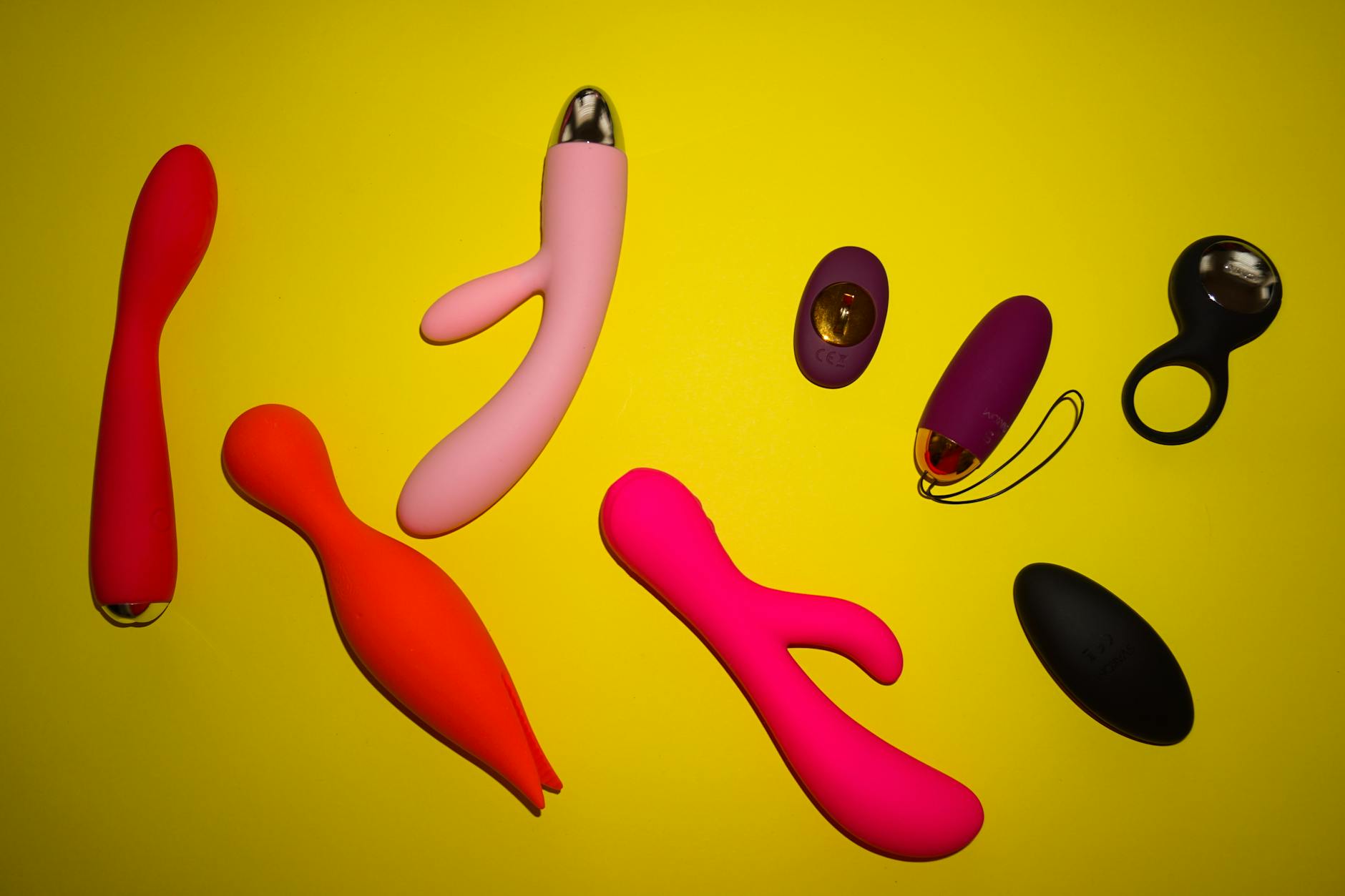
Lemon vibrators, particularly air-suction clitoral vibrators like the Lem, can be a surprisingly effective tool for rebuilding intimacy when you're stuck in that place. Not because they fix stress. They don't. But because they can help you bypass the performance anxiety that keeps you from reconnecting with your own body in the first place.
Why stress kills desire in the first place
Three things happen physiologically when you're under sustained stress.
First, your vagus nerve is primed for defensive responses. Your body is literally ready to fight, freeze, or flee. Arousal requires parasympathetic activation. The gas pedal and the brake are anatomically opposing systems. You can't fully step on both.
Second, sustained cortisol suppresses testosterone and dopamine. Both are critical for desire. This isn't weakness or loss of love. It's your endocrine system correctly prioritizing survival over reproduction.
Third, the mental load of stress occupies working memory. Arousal requires a degree of mental attention and presence. When you're managing a crisis, running three mental to-do lists, and monitoring for threats, that bandwidth is simply gone.
The result feels like desire has evaporated. What actually happened is your nervous system is correctly allocating resources to what it perceives as a threat.
The lemon vibrator as a nervous system reset
Lemon clitoral vibrators work differently than traditional vibrators. Instead of friction, they use gentle suction and pulsing sensations. This matters for stress recovery because the stimulation pattern can feel less demanding. You're not chasing intensity. You're inviting your body to register sensation in a low-pressure way.
When you use a lemon sucker like the Lem during a period of stress recovery, a few things shift.
First, the physical sensation itself is immediate and non-cognitive. You can't be anywhere but in your body when you're experiencing localized suction. Your anxious brain doesn't get space to plan or worry. That's neuroscience, not distraction.
Second, the predictability of the sensation helps. The Lem has five steady patterns. You can choose the same one every time. Your nervous system loves predictability. Familiar sensations feel safer than novelty, especially when your threat-detection system is already activated.
Third, you're not performing for anyone. Solo exploration with a lemon vibrator removes the pressure to respond in a particular way, finish in a particular timeframe, or demonstrate desire you don't yet feel.
How to start when you're stress-depleted
Timing matters. Don't do this when you're in active crisis mode. Use it during windows when the acute stress has lifted slightly. After a difficult week but on a calm Saturday morning. After handling a major problem but before the next one arrives.
Pick a non-negotiable block of time. Twenty minutes minimum. Not five minutes squeezed between tasks. Stress depletion means your nervous system needs more runway. Give yourself actual space.
Create a physical environment that feels safe. Not necessarily romantic. Just private, comfortable, and warm. Your nervous system needs to know there are no interruptions coming. Lock the door. Silence your phone if you need to.
Start with the lowest intensity setting on your lemon vibrator. The Lem's pattern 1 is designed for exactly this. Gentle, consistent, non-demanding. You're not trying to achieve an orgasm right now. You're reintroducing yourself to sensation. That's the whole goal.
Bring attention but not performance goals. Notice what you feel. Temperature. Pulse. Changes in sensation from minute to minute. This is a somatic practice, not a sexual one. The distinction matters.
Many people find that the first few sessions produce nothing except a sense of mild relaxation. That's a win. Your nervous system is learning that sensation can happen without pressure attached.
Using lemon clitoral vibrators with a partner after stress
If you're in a partnership, this gets more complex. Your partner may be stressed too. Or they might feel rejected by your absent desire. Both of those dynamics are real.
The shift comes when you separate two conversations. "My body and I need time to reconnect" is not the same as "I don't want to be close with you." Many couples confuse those and end up in a deadlock.
One approach: use your lemon vibrator solo first. Spend two to three weeks rebuilding that relationship with sensation on your terms. Then, once you've established a basic rhythm with it, invite your partner to watch or participate if that feels right. The pressure is different when they've witnessed you doing the work solo. They understand it's a nervous system reset, not a sign they're not enough.
Some partners find it hot to watch. Some find it gives them permission to express care without expecting a reciprocal sexual response. The point is, the conversation happens from a place of understanding rather than deficit.
The timeline is longer than you'd like
Stress recovery isn't linear. You might have three good sessions and then one where nothing clicks. That's normal. Your nervous system is still recalibrating.
I typically see clients need four to eight weeks of consistent solo exploration before desire starts genuinely returning. That's not a promise it will. But it's enough time for your body to begin separating "sensation" from "threat."
If you're using lemon vibrators when you have low libido or desire issues more broadly, the same framework applies. Stress is one major cause. There are others. But the nervous system piece is universal.
When to involve a therapist
If the stress itself is unresolved, no vibrator will fix it. A lemon vibrator can help you rebuild the neural pathway between your body and pleasure. But it can't resolve the underlying stressor.
If after six to eight weeks of consistent solo exploration you're still feeling completely disconnected from desire, that's worth talking to a therapist about. Sometimes sustained stress leaves deeper marks. Cognitive behavioral therapy, somatic experiencing, or plain couples therapy can help in ways a tool can't.
Also, if the stress was relationally caused (infidelity, betrayal, contempt in the partnership), you'll likely need to address the trust issue before desire reliably returns. A lemon vibrator can support that process. It can't replace it.
Rebuilding intimacy is slower than it feels it should be
Honestly, this is the part people hate. We live in a culture that promises quick fixes. Seven steps to rekindling your spark. A miracle supplement. A new position.
Stress recovery doesn't work that way. Your nervous system needs time to learn that the threat has passed. Your body needs time to rebuild the connection between sensation and safety. Your mind needs time to believe you're not going to be interrupted.
Lemon vibrators are useful not because they're magic. They're useful because they give you a manageable, private way to practice reconnection on a schedule that works for you. No pressure. No performance. Just sensation and presence.
That foundation is what actual desire gets built on.
FAQ
How often should I use a lemon vibrator when rebuilding intimacy after stress?
Three to four times per week is a good baseline. Enough to create a consistent signal to your nervous system that sensation is safe and regular. More than that can feel like another obligation. Less than that means you're not giving your body enough runway to recalibrate. Listen to your body. If you're dreading a session, take a break.
Can using a lemon clitoral vibrator alone during stress recovery damage my relationship?
No, actually the opposite. Rebuilding your own relationship with sensation takes pressure off your partner to "fix" your desire. It's clearer that this is a nervous system issue, not a relationship issue. Many partners find it actually increases emotional intimacy because they understand you're doing the work and they're not responsible for your pleasure returning.
What if I'm using a lemon vibrator and still feel nothing after four weeks?
First, check the stress level. If the underlying stressor hasn't resolved, your nervous system is still in threat mode. Second, try varying the pattern on your lemon sucker. The Lem has five options. You might respond to a slightly faster pulse. Third, journal what you notice even if it's not pleasure. Warmth. Tingling. Distraction. You're gathering data. That's still progress.
Is it normal to feel guilty using a lemon vibrator when my partner isn't involved?
Yes, absolutely. We're taught that sexual response should always be about connection with a partner. Solo pleasure feels selfish or like you're settling for less. Reframe it: rebuilding your own nervous system's capacity for sensation is an investment in your partnership. You're not replacing your partner. You're preparing your body to be available to them again.
Can stress come back and kill desire again after I've rebuilt it?
Yes. Life stress is not something you solve once. But after you've rebuilt the pathway once, the second time is usually faster. Your nervous system has the memory. The lemon vibrator is a tool you can return to whenever you need to reset. Keep it accessible.
Do I need to tell my partner I'm using a lemon vibrator for stress recovery?
It depends on your dynamic. Some couples benefit from transparency. Others find it works better as a private reset. There's no rule. The question is whether it affects your partnership. If you have the privacy and it's truly solo time, you don't owe disclosure. If your partner asks directly, honesty is the better path. But you're not obligated to announce it.