Let's start with what nobody tells you
When you reconnect with a partner after months or years apart, your body doesn't pick up where it left off. It's tempting to assume it will. It won't. That's not a failure. That's actually useful information that changes everything about how you approach it.
I've worked with dozens of couples rebuilding intimacy after separation, relocation, illness, or just the slow drift of life getting in the way. The ones who succeed aren't the ones who try to recreate what was. They're the ones who rebuild from where they actually are.
What actually changes when you've been apart
Your brain is the first thing. When physical connection gets paused for months, your nervous system recalibrates. Touch sensitivity shifts. Arousal pathways go quiet. Your body has to remember that this person is safe, that touch is welcome, that pleasure is possible again. That takes time.
Your partner's body changes too. Their scent might feel unfamiliar. The rhythm of their touch might not match the phantom memory you've been carrying. Sometimes it's better. Sometimes it feels like learning them all over again, which honestly, it is.
The physical part is real but often overstated. What actually matters more is the gap between what you expect to feel and what you actually feel. Expectation is where most couples get stuck. They assume that because the relationship is good, sex should restart immediately at the intensity it was before. When that doesn't happen, they panic. "We've broken something," they think. You haven't. You've just forgotten that bodies need warm-up, permission, and safety in sequence.
Why clitoral vibrators matter during this transition
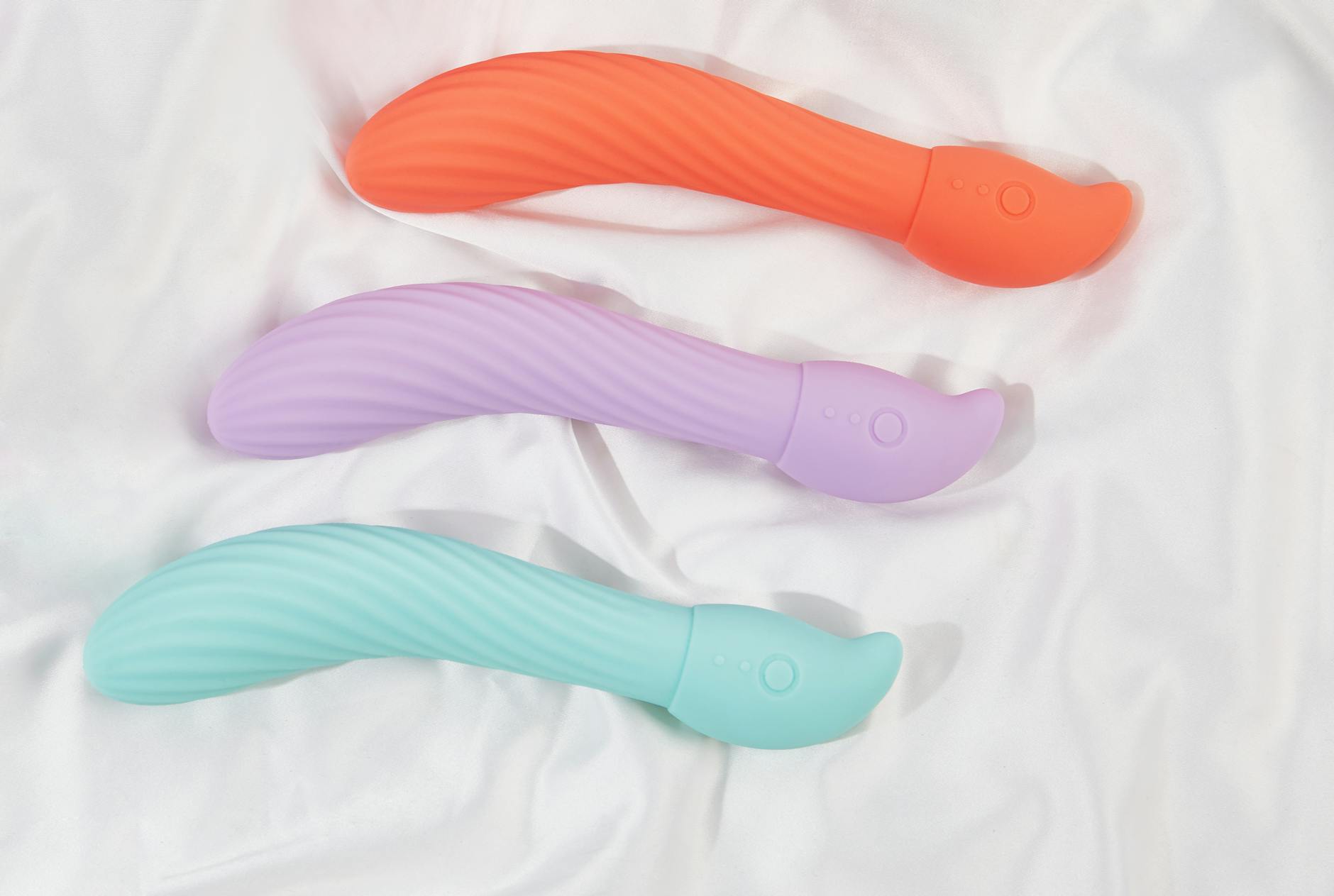
Here's the thing about tools like lemon clitoral vibrators during reconnection. They're not a workaround for a broken connection. They're a translator between where your body is now and where you want it to be.
When you've been apart, direct stimulation from a partner can feel either too intense or not enough. Lemon vibrators, especially air-suction designs, offer a middle path. They give you precise, consistent sensation that lets you figure out what your body wants without the pressure of performing for someone else watching. That matters.
They also slow everything down. A lemon vibrator forces a rhythm. You can't rush it. You can't move to orgasm faster than the pattern allows. That constraint is actually freedom because it removes the internal timer that makes reconnection feel like an audition.
The conversation before the tools arrive
This is where most couples stumble. They either don't talk about it, or they have the wrong conversation.
"Bad" version: "I want to use this because you're not doing it right." That puts the toy between you like a weapon.
"Good" version: "I want to explore this together because my body's been quiet, and I want to find my way back to pleasure. I'd like your company while I do it." That puts the tool in service of connection.
One creates distance. One creates intimacy.
Before you use any lemon sexual toy, talk about what you're hoping to feel. Talk about what you're nervous about. Talk about what you want to stay the same. These conversations don't kill spontaneity. They create the safety that real spontaneity needs.
How to actually start
First rule: zero performance pressure. If you're using a lemon vibrator for the first time in months, the goal is not orgasm. The goal is sensation. Feeling. Data about what your body's awake to right now.
Second rule: longer foreplay. This is non-negotiable. When you've been apart, your body's arousal system needs time to boot up. I tell couples to think of it like a warm-up lap before a race. Twenty to thirty minutes minimum.
Third rule: start low. If you're using a lemon vibrator like the Lem, begin on pattern one. Don't jump to intensity just because you did before. Your nervous system is re-sensitizing. Lower intensity actually teaches you more.
Fourth rule: lube. Even if you've never needed it before. Time apart changes vaginal tissue chemistry. Water-based lubricant isn't a sign of dysfunction. It's a signal that you're taking care of yourself. Use it freely.
The positions and rhythms that work
When you're reconnecting with a partner and introducing lemon vibrators, experiment with roles. Sometimes one person holds the toy. Sometimes the other does. Sometimes you both use hands and the vibrator together. There's no "correct" version.
What matters is that you're not both locked into the same script. Variety early in reconnection prevents both of you from tensing up waiting for the "right" way to unfold. If one approach feels awkward, you pivot. That's the whole point.
Many couples find that incorporating a lemon clitoral vibrator during partnered sessions actually deepens communication. You're not in your heads about performance. You're present with sensation and each other's presence. That's connection at the level that rebuilds.
Managing the emotional stuff that shows up
Sometimes reconnection surfaces grief. You've lost time. You're angry about the separation, even if it was necessary. You're grieving who you both were before. That's all real and legitimate.
Physical reconnection can crack open emotions that have been held together by distance. That doesn't mean you're doing it wrong. It means you're finally touching the rupture that needed touching. If tears come, if resistance comes, that's data. Pause. Hold each other. Talk. Then try again when you're ready.
I recommend to couples that they give themselves three to six weeks of regular exploration before they expect anything to feel effortless. That's not a long time. It's actually a grace period. Use it.
When to know if something's actually stuck
There's a difference between "we need to rebuild" and "something's broken in our connection." Here's how to tell the difference.
Normal: Arousal takes longer. Sensation feels different. You need to talk more explicitly about what you want.
Stuck: There's pain. There's consistent numbness regardless of what you do. There's anger that doesn't soften over time. There's zero desire to reconnect, even with tools and time.
If you're in the "normal" territory, you keep going. Patience and tools like lemon vibrators help. If you're feeling stuck, a relationship therapist matters more than any device. Connection isn't something a vibrator fixes. It's something you and your partner do, together.
FAQ
Why do some people find reconnection slower than they expected?
Your brain associates physical touch with the relationship as it was. When you've been apart, there's a gap between the memory and the reality. Your nervous system has to update that association, and that takes repetition. There's also sometimes lingering resentment or grief. The body holds both of those. Time and consistent, pressure-free touch help.
Can lemon vibrators help if there's been trust damage during the break?
Tools can help you rebuild sensation and arousal. They can't rebuild trust. Trust rebuilds through consistency, honesty, and your partner showing up the same way, repeatedly, over time. If trust is fractured, do the emotional work first. The tools will be more useful once that foundation is steadier.
Does using a vibrator mean my partner isn't enough?
No. Using a lemon vibrator during reconnection actually often strengthens partnership. It removes the pressure for one person to be the sole source of pleasure, which is impossible anyway. It says "I want to explore this together," not "you're failing me." Partners who use vibrators together report higher satisfaction and communication.
What if I'm reconnecting alone, without a partner?
Then a lemon clitoral vibrator becomes your reconnection tool with yourself. Solo exploration after a long gap serves the same purpose. You're finding your way back to your own pleasure. That's valuable work, and it actually makes future partnered reconnection easier because you know your own signals.
How long does it usually take to feel "normal" again?
Everyone's different. Some couples feel reconnected within weeks. Others take several months. Factors that matter: how long you were apart, whether the break was mutual or imposed, the quality of communication now, stress levels, health. Don't measure against anyone else's timeline.
Should we go slowly even if we're both eager?
Yes. Eagerness isn't the same as readiness. Your bodies might be eager while your nervous systems are still cautious. That's normal. The couples I work with who take six weeks slowly often reconnect more deeply than those who rush back to intensity immediately. Slow builds something sustainable.