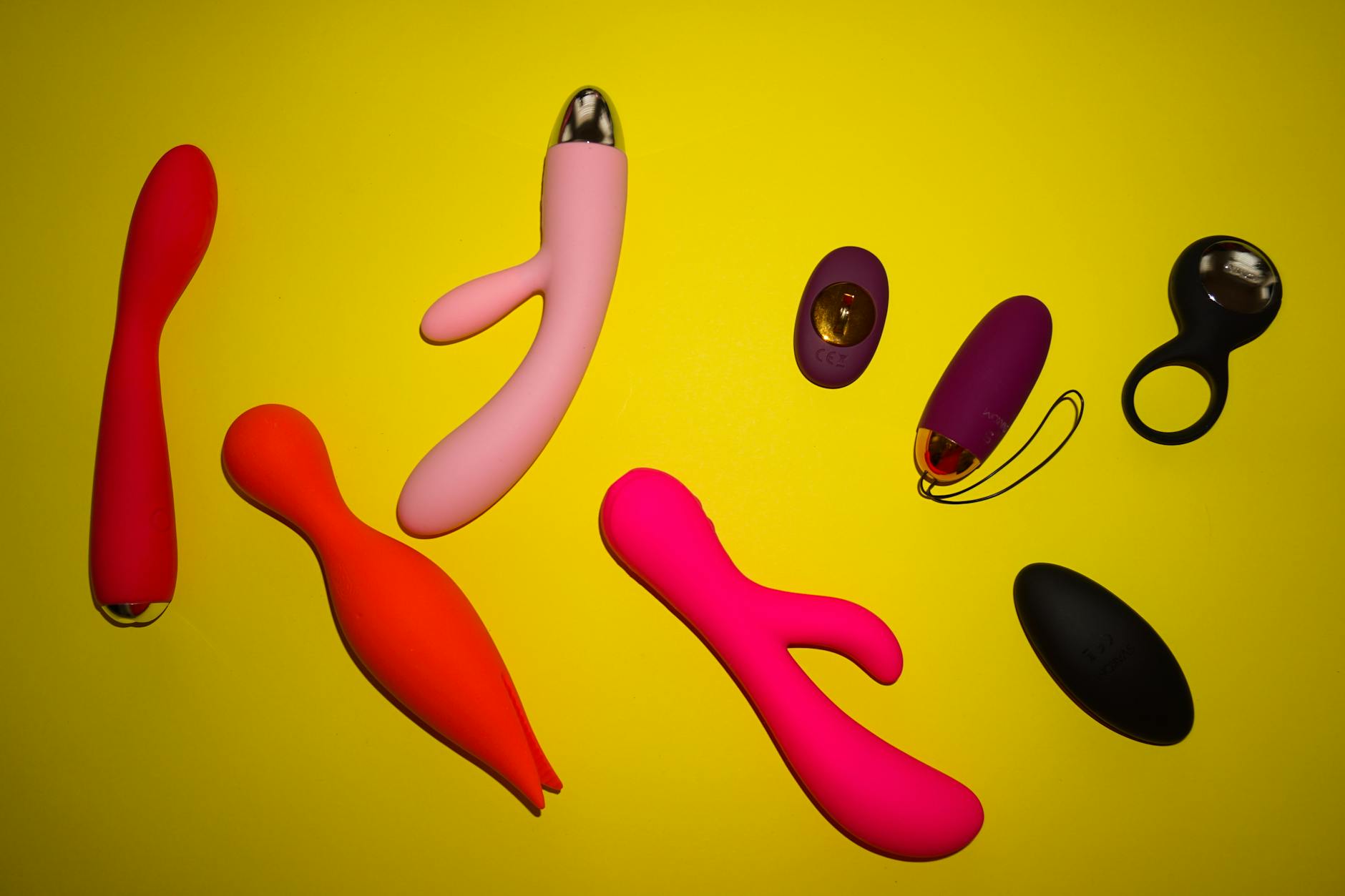
Here's what nobody tells you about perimenopause and arousal
Your body isn't slow. Your hormones are in flux, and that changes the speed at which arousal builds. The physical sensation that used to arrive in five minutes might now take fifteen. You're not less attracted to your partner or yourself. You're experiencing a genuine physiological shift, and once you understand it, you can work with it instead of against it.
This is one of the most common complaints I hear from people in their late 40s and early 50s. They describe arousal as feeling muted, delayed, or like they're watching pleasure happen to someone else instead of experiencing it directly. The good news: it's fixable. The better news: your orgasms might actually get stronger once you adapt.
Why arousal slows during perimenopause
Estrogen and testosterone are the accelerants for arousal. As your cycle becomes irregular and your hormone levels start their gradual decline, the body's natural response time stretches. Your blood vessels take longer to dilate. The clitoral tissue fills with blood more slowly. The vaginal walls take longer to relax and lubricate. None of this is permanent damage. It's a temporary recalibration of the system.
Here's the part that matters: your nerve endings haven't changed. Your brain's capacity for pleasure hasn't changed. Your ability to orgasm hasn't changed. What's changed is the warm-up phase.
Think of it like an old car that needs to idle a bit longer before driving. The engine is fine. It just needs a few extra minutes to get ready.
How lemon clitoral vibrators work differently for slower arousal
A good clitoral vibrator like the Lem uses consistent, targeted stimulation to bypass the delay and activate sensation directly. Instead of waiting for natural arousal to build gradually, you're sending a clear signal to your nervous system: pay attention here.
This isn't forcing anything. It's more like turning up the volume on a quiet radio. The pleasure is already there. The lemon clitoral vibrator is just making it easier to hear.
The suction-based design of lemon vibrators is particularly effective during perimenopause because the sensation doesn't depend on your body's blood flow ramping up quickly. You get immediate stimulation without waiting for the physical infrastructure to catch up. Many people find this removes the frustration of "I'm not getting turned on fast enough" and lets them actually relax into sensation.
The timing adjustment you actually need to make
If arousal used to peak in five to ten minutes and now it takes twenty, the solution isn't to push harder. It's to budget more time.
Here's the structure I recommend to almost everyone adjusting to slower arousal:
Minutes 0-5: Foreplay or solo touch without a vibrator. Let your mind settle into the moment.
Minutes 5-15: Introduce the vibrator at a lower setting. This is the "waking up" phase where your nervous system starts paying attention. Don't expect an orgasm yet. You're just building the foundation.
Minutes 15-25: If sensation is building, stay with whatever pattern or intensity feels good. This is where arousal actually accelerates once your body gets the signal.
Minutes 25+: This is where most people used to finish. Now it's where things might genuinely start happening.
That timeline sounds long until you realize you're not doing anything wrong. You're just being realistic about what your body needs right now.
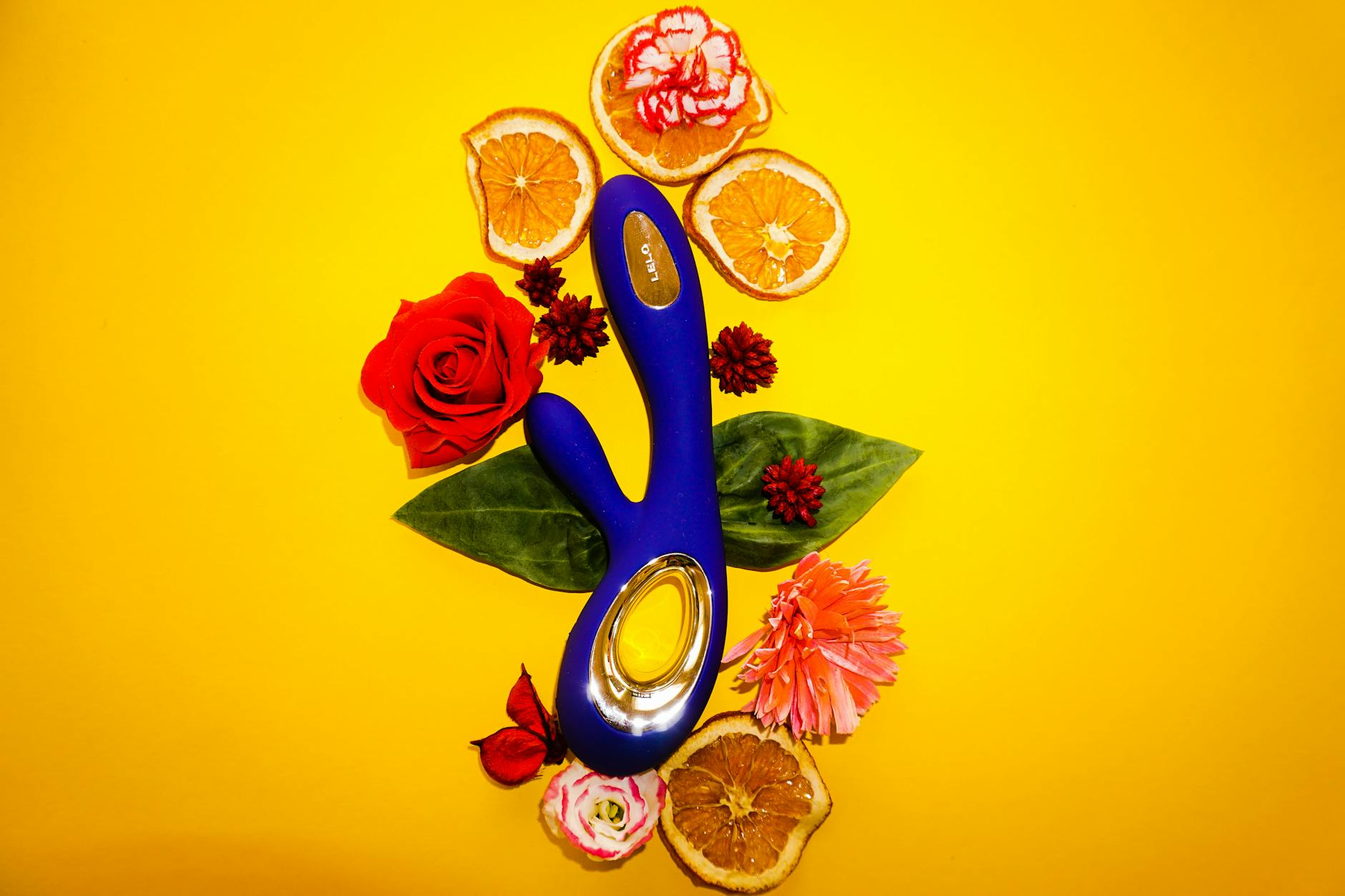
Photo by DRT.fm on Pexels
Lubrication changes and how to work with them
Lower estrogen means less natural lubrication. This is separate from slower arousal, but they're often happening at the same time, which compounds the frustration.
A water-based lubricant becomes essential, not optional. I say this not because your body is broken but because thinner vaginal tissue benefits from additional glide. Using lube actually speeds up arousal because you're not fighting friction. There's less resistance, so sensation registers faster.
Apply lube before you start, not when things feel dry. This prevents you from hitting a moment where you have to pause and reapply, which breaks the arousal momentum you've been building.
Silicone-based lubes feel luxurious but damage silicone toys, so stick with water-based when you're using a lemon vibrator or any other silicone adult toy. The glide is plenty smooth, and you won't worry about damaging your device.
The mental shift that changes everything
Here's what actually stops arousal during perimenopause for most people: the belief that something is wrong.
You notice it takes longer. Your brain immediately jumps to "I'm broken" or "I'm getting old" or "My partner isn't turning me on anymore." That narrative kills arousal faster than any hormone ever could. The moment you start thinking anxiously about the process, you pull yourself out of the sensation.
The reframe is simple but powerful: your arousal timeline shifted. That's all. It's not a character flaw. It's not a relationship problem. It's a biological adjustment that you can learn to work with.
When you stop fighting the slower timeline and instead lean into it, something interesting happens. You notice sensations you used to rush past. You find pleasure in the building phase itself instead of just the finish line. People often tell me that once they accepted the longer warm-up, their orgasms became more intense because they were more present for the whole experience.
Building sensation back in when it feels muted
Some people describe arousal during perimenopause as feeling muted or distant, like they're experiencing pleasure through a layer of glass. This is particularly common if you're also managing stress, sleep deprivation, or relationship tension.
Lemon sexual toys can help, but they're not magic. They're a tool that works best when you're also addressing the other factors. That means:
Getting enough sleep (arousal requires energy). Manageable stress (chronic stress literally dampens sensation). Regular movement (exercise improves blood flow, which improves arousal). And in your relationship, it means clear communication about what's happening and what you need.
When you use a lemon vibrator in this context, you're not trying to force sensation that isn't there. You're gradually coaxing your nervous system back into responsiveness. Start with lower settings and longer sessions. Let your body remember what pleasure feels like instead of demanding it immediately.
Patience isn't weakness. It's how arousal works now.
You spent twenty or thirty years with one arousal timeline. It's reasonable to feel frustrated that it changed. That frustration is valid. And also, this adjustment is completely normal and navigable.
The people who rebuild pleasure most successfully during perimenopause are the ones who stop fighting the slower pace and start working with it. A good lemon clitoral vibrator, adequate lubrication, a realistic timeline, and the decision to be patient with your body's new rhythm. Those four things change everything.
Your pleasure matters. It deserves time. And honestly, once you accept that, you might find that perimenopause sex is some of the best sex you've ever had.
People also ask
How long does it typically take for arousal to return after starting a clitoral vibrator during perimenopause?
Most people notice a shift within 3-5 sessions of consistent use. Your nervous system learns the pattern. What takes twenty minutes in week one might take twelve minutes in week three. The key is consistency and letting your body adjust without performance pressure. If arousal still feels absent after regular use over two weeks, that's worth discussing with your doctor, especially if you're experiencing other perimenopause symptoms like sleep disruption or mood changes.
Does using a lemon vibrator too much slow down my natural arousal even more?
No. Regular use of clitoral vibrators doesn't damage your body's ability to respond naturally. In fact, the opposite is often true. When you use a vibrator consistently, you're sending repeated signals to your nervous system that this area is worth paying attention to. Over time, your body's natural response can actually improve because you're reinforcing those neural pathways. Think of it like training a muscle.
Can perimenopause arousal delays mean something is wrong with my relationship?
Not necessarily. Arousal slowdown is a hormonal reality during perimenopause. It happens in solo play and partnered play equally. That said, relationship tension absolutely can slow arousal on top of the hormonal shift. If arousal is slow and you're also feeling distant from your partner, that's worth addressing directly. You might benefit from honest conversation or couples counseling to separate the hormonal piece from any relationship dynamics that need attention.
What vibrator settings work best when arousal is slow?
Start with lower, more rhythmic patterns rather than high intensity. The Lem's lower settings provide steady stimulation that builds sensation gradually without overwhelming a nervous system that's already adjusting. Avoid jumping to maximum intensity because it can feel jarring when you're in a slower arousal state. Let the sensation build gradually with consistent lower patterns, then increase intensity only if you want more as arousal accelerates.
Is it normal to need lubricant every time during perimenopause, or will that improve?
Lubricant becomes standard during perimenopause for most people. Whether it improves depends on your specific hormone levels and whether you're taking hormone therapy. For many, dryness is permanent without intervention. Rather than viewing lube as a temporary fix you're waiting to stop needing, reframe it as a tool that makes pleasure accessible right now. Using quality water-based lube isn't a step backward. It's a practical solution that removes a barrier to arousal.
If arousal is very slow or absent, when should I see a doctor?
If arousal has disappeared completely rather than just slowed, or if the delay is accompanied by other perimenopause symptoms like severe hot flashes, mood changes, or sleep disruption, that's worth mentioning to your doctor. They can check your hormone levels and discuss whether approaches like hormone therapy might help. Sometimes very slow arousal is a symptom of something treatable like low thyroid function. A good clinician can help you sort out what's hormonal, what's relational, and what might need intervention.
The bottom line
Arousal taking longer during perimenopause is real. It's also completely manageable once you stop fighting it and start working with it. A lemon clitoral vibrator, patience, adequate lubrication, and the knowledge that your body isn't broken will get you there. Your pleasure timeline shifted. That doesn't mean your pleasure went anywhere. It just means you need to approach it differently for a while.