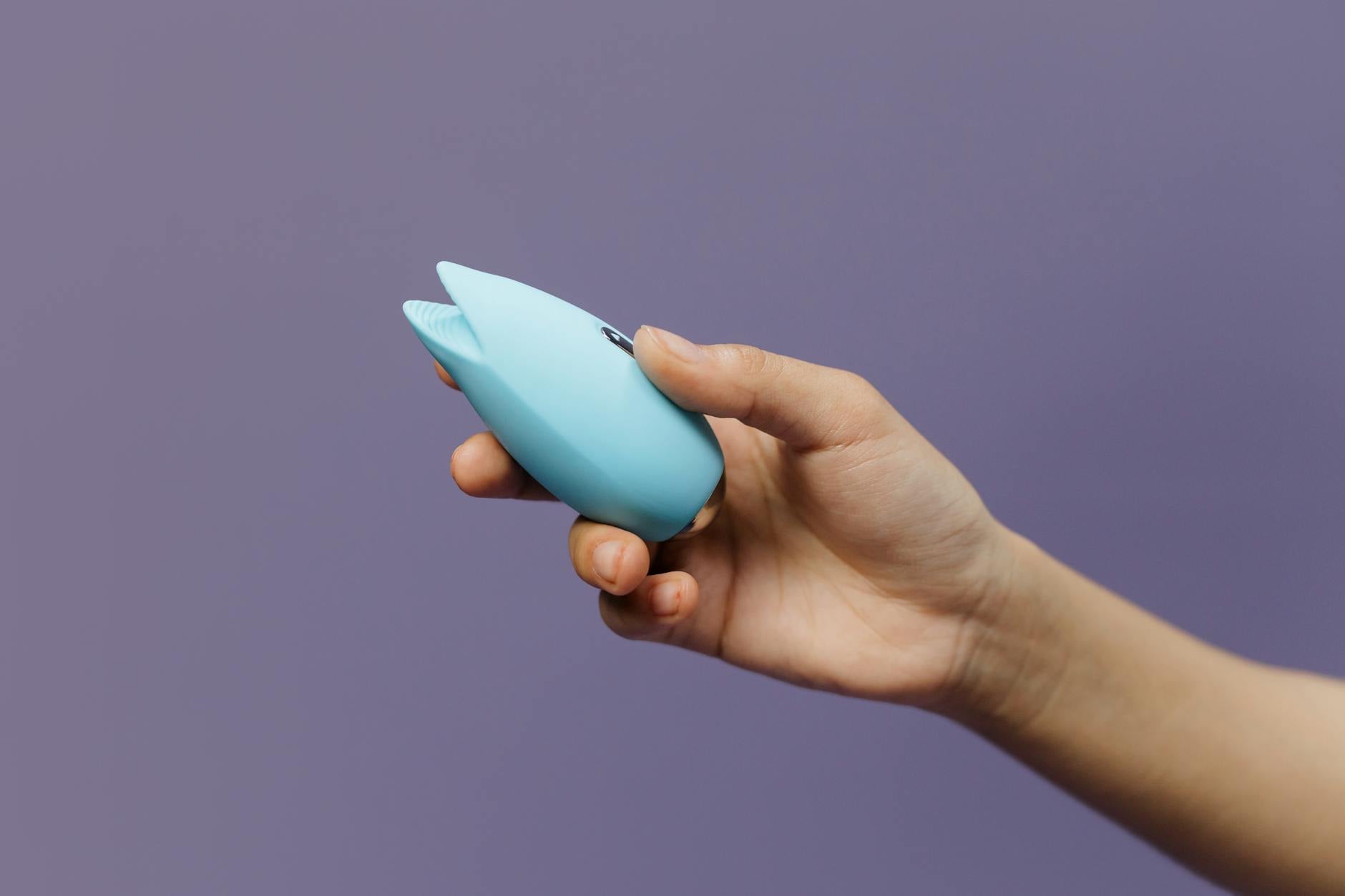
The sensation you lose doesn't stay lost. Here's what happens to your nerve endings during surgery, why the numbness fades on its own timeline, and how lemon clitoral vibrators help speed the reconnection.
Anesthesia numbs everything it touches. That includes the nerves supplying your clitoris if the surgery involved local anesthesia in that region, or even general anesthesia can leave widespread nerve sensitivity depleted for weeks. The numbness isn't permanent. Your nerve endings aren't damaged. They're just asleep, and they wake up on their own schedule.
The timeline varies wildly. Some people regain full sensation in days. Others take weeks or months. During that in-between stretch, your clitoris might feel like it belongs to someone else. Touch that used to feel electric now registers as a dull pressure. Or you feel nothing at all. Both are normal, and both are temporary.
Local anesthetics block nerve signals by interrupting sodium channels in nerve cells. When the anesthetic wears off chemically, the nerve cells don't instantly fire back up. They need time to reset. If the surgery site involved the vulva, perineum, or any area with dense nerve clusters feeding the clitoris, you're essentially waiting for those specific pathways to reignite.
General anesthesia is different but related. The drugs used knock out your entire nervous system temporarily. When you wake up, your body is running on fumes for sensory acuity. Pain receptors often come back first. Fine-touch receptors and pleasure pathways take longer. This is why your clitoris might feel numb or vague for days or weeks after general surgery, even if the surgery had nothing to do with your genitals.
The good news: nerve regeneration is happening automatically. Your body doesn't need you to do anything special except wait. The better news: gentle, consistent stimulation can help accelerate that process by signaling to your nervous system that it's safe to reactivate.
Lemon clitoral vibrators are unusually useful for post-anesthesia sensation recovery. Here's why.
The suction mechanism of a lemon vibrator works differently than traditional vibration. Instead of high-frequency buzzing, it uses gentle pressure and release cycles that mimic the sensation of a partner's mouth. This pattern is particularly good at waking up numb tissue because it's stimulating without being jarring. You don't need raw sensitivity to feel suction. The pressure changes register even when fine touch has gone dark.
Second, the Lem vibrator's design concentrates stimulation on the clitoral head without spreading the signal across a wide area. When your clitoris is numb, diffuse stimulation gets lost. Focused stimulation has a better chance of breaking through. The Lem's sealed-cup design does exactly that.
Third, you control the intensity with precision. Numbness recovery happens in layers. You might feel nothing at setting 1 for a week, then suddenly feel a soft flutter. Then a gentle pulling sensation. Then something closer to pleasure. Because you can start at the lowest settings and work up as sensation returns, you're never overloading a reawakening nerve.
Week one post-surgery is usually complete numbness or a muted, far-away sensation. Using a lemon vibrator now won't harm anything, but you probably won't feel it. This is fine. You're not trying to achieve pleasure yet. You're just maintaining the habit and letting your body know you're ready to reconnect whenever it is.
Weeks two through four, sensation usually starts creeping back in patches. You might feel the suction at certain power settings but not others. You might feel it for 30 seconds then lose it again. This is your nerve endings flickering back online. Consistency matters here. Using your Lem three or four times a week, even briefly, helps reinforce the neural pathway.
Weeks five through eight, most people report recognizable sensation returning. Not full sensation necessarily. More like the door is opening. This is when pleasure becomes possible again. You might orgasm, or you might not. Both are fine. The point is that texture, pressure, and rhythm are back in your vocabulary.
By week twelve, most people are back to baseline sensitivity, though some report that sensation feels slightly different than before. This usually settles over the following months. Your clitoris might be a touch more or less sensitive than it was before surgery. That's normal neurological variation.
Start with the lowest setting. If you're using a Lem vibrator, that's setting one. Hold it against your clitoral head for 30 seconds to a minute. You might feel nothing. Remove it. Try again tomorrow or in two days. You're not chasing sensation. You're signaling availability.
As sensation starts returning, you can increase both duration and intensity. Move to setting two or three once setting one starts feeling like something rather than nothing. Increase sessions to three or four times a week if it feels good. If you have a partner, they can help with gentle external massage alongside vibration. Skin-to-skin touch often comes back before toy sensation does.
Watch for pain. Numbness and pain are different signals. Numbness is silence. Pain is alarm. If using your Lem creates sharp, shooting, or burning sensations, stop and let your surgeon know. That's different from the tingling or electric sensation that usually means nerves are waking up. Tingling is good. Burning is a reason to pause.
Be patient with the timeline. Some people push too hard, too fast, expecting sensation to return on their preferred schedule. The nervous system doesn't negotiate. It heals at its own pace. Consistency beats intensity. Using your lemon vibrator gently and regularly will do more than occasional aggressive sessions.
If you're past week twelve and still completely numb, mention it to your surgeon or gynecologist. Rarely, anesthesia can cause nerve damage, though true permanent nerve damage from local anesthesia is very uncommon. More often, something else is slowing recovery. Nerve healing gets better with movement, blood flow, and stress reduction. If your recovery is lagging, addressing sleep, exercise, and stress can help.
Some medications can also slow nerve regeneration. If you're on blood pressure meds, antidepressants, or certain pain medications, ask your doctor whether any of them could affect sensory recovery. Sometimes a small adjustment helps sensation return faster.
Sexual anxiety can also lock numbness in place. If you're dreading sensation returning, or you're holding tension in your pelvic floor because you're nervous about pain or another complication, your nervous system reads that as danger. Relaxation practices, pelvic floor stretching, and sometimes working with a therapist can shift that.
Numbing after surgery isn't just physical. It's psychologically loaded. Your clitoris is yours. When it stops responding, it can feel like your body has betrayed you or been taken from you. That's a real grief, and it's worth acknowledging before you start chasing sensation.
Use your lemon vibrator as part of a reconnection ritual, not a performance. Light some candles. Take your time. This isn't about achieving orgasm. It's about saying to your body: I see you. I'm patient with you. We're coming back together. That frame matters. When you approach sensation recovery with curiosity instead of desperation, your nervous system actually relaxes. Paradoxically, relaxation is often what allows sensation to come back faster.
If you have a partner, let them know what you're experiencing and what timeline to expect. Many partners interpret numbness as a sign that you're not interested in them, which creates unnecessary distance. Conversation can prevent that. Explain that you're not numb to them. You're numb to sensation. Two different things. And you're rebuilding both.
Most people recover full sensation within two to twelve weeks, though the timeline varies widely depending on the type of anesthesia, the location of the surgery, and individual healing speed. Some report changes in sensation that settle over months. If numbness persists beyond twelve weeks, check in with your surgeon to rule out uncommon nerve complications.
Yes, gentle vibration is safe and can actually help nerve endings reawaken. Start on the lowest setting and keep sessions brief. You won't feel much initially, but you're signaling to your nervous system that the area is safe to reactivate. Pain, burning, or shooting sensations mean stop and consult your surgeon. Numbness and tingling are fine.
Consistency helps more than intensity. Using your lemon vibrator gently and regularly signals to your nervous system that sensation is safe and welcome. Beyond that, good sleep, stress reduction, and blood flow support nerve healing naturally. Your body is already doing the work. You're just removing obstacles.
Often yes, but sometimes there are subtle changes. Some people find their clitoris is slightly more or less sensitive after surgery. These differences usually settle over time as the nervous system fully recalibrates. If significant sensitivity changes persist beyond six months, mention it to your doctor.
That's completely normal. Surgery on or near your genitals can trigger real psychological anxiety about pain, function, or loss of control. Consider working with a therapist who specializes in sexual health or pelvic issues. Anxiety itself can actually slow nerve recovery by keeping your pelvic floor tense. Addressing the anxiety helps the body relax into healing.
Not necessarily. Many people find that partnered touch and gradual sexual engagement actually helps sensation return. You won't feel the same way initially, and that's worth naming with your partner. But the stimulation itself can help neural pathways reactivate. Listen to your body. If something feels wrong or painful, pause. If it feels safe and you want to, you don't have to wait for sensation to fully return.
Clitoral numbness after surgery is temporary. Your nerve endings aren't broken. They're asleep, and they're waking up on their own timeline. A lemon vibrator can help signal that you're ready to reconnect, but the real work is patience and consistency. Gentle, regular stimulation often helps accelerate the process. Beyond that, sleep, stress management, and good communication with your partner matter more than any technique. Your body knows how to heal. You're just supporting the process.
When sensation starts trickling back, you might be surprised by how much you missed it. That moment of first real feeling is worth the wait. Until then, trust the timeline. Your clitoris will come back online.