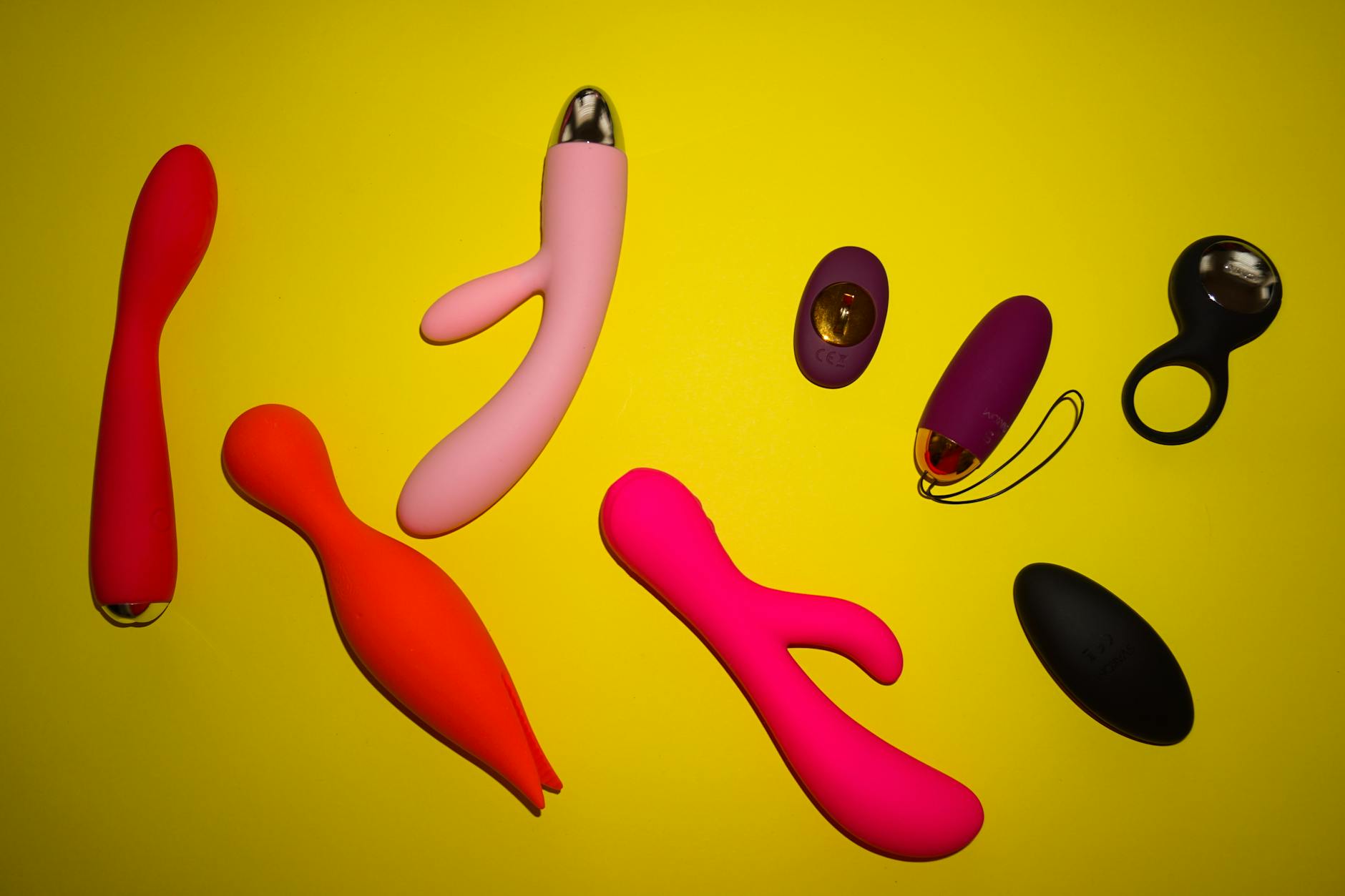
How to Use Lemon Vibrators When Clitoral Sensation Feels Too Intense
Let's be real: sometimes direct clitoral stimulation doesn't feel good. It feels raw. Overstimulated. Almost painful in a way that shuts everything down instead of opening it up.
You're not broken. Your clitoris has roughly eight thousand nerve endings packed into a space the size of a pea, and they can get overwhelmed. It's not a problem with you. It's a problem with how you're approaching the sensation.
Here's what I see in practice: people think if vibration isn't working, they need more vibration. Faster settings. Different angles. What actually helps is a completely different mechanism. Suction. And that's where lemon vibrators shine.
Why direct clitoral stimulation can feel too intense
Clitoral hypersensitivity is common and has several causes. Some are temporary. Some are persistent and worth investigating.
First, the obvious one: overuse. If you've been using the same vibrator at the same intensity for weeks, your nerve endings adapt. Paradoxically, constant stimulation makes the area feel more sensitive, not less. Your body is basically saying "okay, we need a break from this specific input."
Second, hormonal fluctuations. During certain points in your cycle, estrogen rises and the clitoris becomes more engorged with blood. More blood means more nerve activity, which can feel less like pleasure and more like static. The same vibrator feels different throughout your month. That's not unusual.
Third, what I call "performance pressure sensitivity." When you're focusing intensely on the goal of orgasm, your nervous system tenses. The pelvic floor grips. The area becomes hyperaware. It's like trying to sleep when you really need sleep. The pressure makes everything feel raw.
Fourth, medication and health factors. Certain antidepressants, blood pressure meds, and hormonal birth control can increase clitoral sensitivity. So can conditions like vulvodynia or post-inflammatory hypersensitivity from infections. If this started suddenly and persists, a gynecologist familiar with sexual health is worth consulting.
Why suction works when vibration doesn't
This is the part that changes everything.
Traditional vibrators stimulate through oscillation. The vibration moves back and forth, creating friction and direct pressure. For someone with hypersensitive clitoral tissue, this can feel abrasive.
Suction works through a different mechanism entirely. Instead of friction, it creates a gentle pulling sensation that stimulates the nerve endings without direct contact. Think of the difference between a finger pressing firmly on your skin versus a gentle tug. Same nerves, completely different sensation.
Lemon vibrators use air-suction technology to create a gentle seal around the clitoris. The sensation builds gradually, and because there's no direct friction, many people with hypersensitivity find it genuinely pleasurable instead of overwhelming.
I've had clients describe the difference like this: vibration feels like somebody tapping your shoulder. Suction feels like somebody gently drawing your attention inward. Both reach the nerve endings. Only one of them sets off the body's alarm system.
How to build tolerance if suction is still intense
Some people do find even suction-based stimulation too much at first. That's still fixable.
Start at the lowest setting. The Lem by Get Lemon Adult Toy has multiple intensity levels. Begin at level 1 and spend a full session there. I know it feels like nothing. That's the point. You're teaching your nervous system that this sensation is safe before you graduate to stronger settings.
Use it over clothing. Your clitoris doesn't live in isolation. It's surrounded by the vulva, mons pubis, and sensitive inner thigh skin. Start with the Lem through underwear or with a soft cloth between the toy and your body. This diffuses the sensation and lets you experience the suction pattern without overwhelming intensity.
Short sessions first. Instead of a 20-minute play session, try five minutes. Your body learns faster when you're introducing something new in small doses. Three five-minute sessions across a week teach your nervous system more than one 20-minute session where you're white-knuckling through discomfort.
Use it in a relaxed state. Don't reach for lemon vibrators when you're stressed, rushed, or anxious. Your pelvic floor will be braced, which amplifies sensation. Save lemon vibrators for times when you're genuinely calm. A shower, a quiet afternoon, after a glass of wine. Whatever puts your nervous system at ease.
Adjusting your technique as sensitivity normalizes
Once your body adjusts, you can explore.
Angles matter more with suction than with vibration. Instead of directly centering the Lem on the clitoral glans, try positioning it slightly off to one side. The suction will pull differently, and often feels softer. Some people find the upper side of the clitoris more comfortable than the directly exposed tip.
Movement helps too. Instead of holding the lemon vibrator stationary, try small circular motions or gentle rocking. This introduces sensation gradually and mimics a more natural rhythm.
Timing within your cycle changes things. If you're someone whose clitoris gets more sensitive mid-cycle, plan your lemon vibrator sessions for the week after your period ends, when estrogen is lower and tissue is less engorged. You'll likely find the sensation feels cleaner and more intentional.
When to layer with a partner or external input
Suction-based lemon vibrators work beautifully in partnered scenarios too.
If you have a partner, the presence of another body can shift your nervous system state. Some people who find clitoral stimulation too intense alone find it manageable with their partner present, simply because the psychological context changes. Your body feels safer, less like you're trying to achieve something and more like you're receiving something.
External stimulation on other sensitive areas can also help. While your partner operates the lemon vibrator, they can kiss your neck, touch your thighs, or create sensations elsewhere. This distributes your nervous system's attention and paradoxically makes the clitoral suction feel less intense and more pleasurable.
The permission piece
Here's what I tell people who feel broken by clitoral hypersensitivity: you're not experiencing a dysfunction. You're experiencing feedback.
Your body is telling you what it does and doesn't like. That's useful information. It means you get to design pleasure on your terms instead of forcing yourself through sensation that doesn't work.
Lemon vibrators with suction-based technology meet you where you are. No forcing. No powering through. Just a different approach to the same goal. And often, that different approach is the one that finally works.
People also ask
Why does clitoral stimulation sometimes hurt?
Clitoral hypersensitivity usually stems from one of three things: overuse and nerve fatigue, hormonal fluctuations that change blood flow to the area, or your nervous system being in a stressed or braced state. Rarely, it's a sign of an underlying condition like vulvodynia. If direct touch consistently causes pain rather than pleasure, checking in with a gynecologist who specializes in sexual health is worth doing. Most of the time, it's simply a matter of finding the right type of stimulation and pacing.
How is suction different from vibration for sensitive clitoral tissue?
Vibration creates friction through rapid back-and-forth oscillation. Suction creates a gentle pulling sensation that stimulates nerve endings without direct contact or abrasion. For people with hypersensitive clitorises, suction often feels gentler and more controllable because it doesn't trigger the same raw, overstimulated response. This is why lemon vibrators and other suction-based toys are often recommended when standard vibrators feel too intense.
Can I use a lemon vibrator if my clitoris is extremely sensitive?
Yes, with modifications. Start at the lowest setting, use the toy through clothing or a thin cloth, keep sessions short (five minutes), and prioritize being in a genuinely relaxed state before you begin. Your nervous system can adapt, but it needs time and consistency. Over several weeks of gentle introduction, most people find they can gradually increase intensity or sensitivity without discomfort.
Does hypersensitivity ever go away on its own?
Sometimes. If it's tied to your cycle, it often resolves on its own within days or weeks. If it's tied to overuse, a one to two week break from that specific toy usually helps. If it's related to stress or a braced pelvic floor, relaxation practices and pelvic floor techniques specifically designed for tension can help. If it's persistent regardless of circumstances, it's worth exploring with a healthcare provider.
Is there a lemon vibrator designed specifically for sensitive tissue?
The Lem by Get Lemon Adult Toy uses air-suction technology that's gentler on sensitive tissue than traditional vibrators. Its graduated intensity settings let you start low and build gradually. Many people with clitoral hypersensitivity find suction-based lemon vibrators more tolerable than standard vibrating models because the mechanism of stimulation is fundamentally different and gentler.
What if suction still feels too intense?
Try using it through a cloth barrier first, or through your underwear. This mutes the sensation without removing it entirely. You can also explore positioning. Instead of direct clitoral contact, aim for the mons pubis or the sides of the vulva, which are less sensitive. Some people also find that combining suction with other sensations (partner touch elsewhere on the body) makes the overall experience feel more pleasant and less isolating.
Moving forward
Clitoral hypersensitivity isn't a reason to avoid pleasure. It's a reason to approach it differently. Lemon vibrators designed with suction technology offer an alternative that works for bodies that can't tolerate traditional vibration. Give yourself permission to explore at your own pace, trust what feels good, and remember that your pleasure is the only metric that matters.
If sensitivity persists or worsens, or if it's paired with pain, reach out to a healthcare provider. But most of the time, the answer is simply finding the right tool and the right frame of mind. Both are available to you.