Let's be real about penetration pain
Penetration discomfort is weirdly invisible in most sex conversations. You hear about desire, performance, anxiety, everything except the one thing that makes you want to opt out entirely. The silence around it makes people assume they're broken, or that pleasure ends where pain begins. It doesn't.
Lemon clitoral vibrators exist for exactly this moment. They're a pathway back to sensation that doesn't require anything to go inside.
What causes penetration pain and why it matters
Penetration discomfort has a bunch of different sources, and knowing which one is yours actually changes what helps. Vulvodynia is chronic pain in the vulva without a clear cause. Vaginismus is involuntary muscle tension that makes penetration feel impossible or agonizing. Pelvic floor dysfunction, endometriosis, infections, hormonal shifts, scarring from childbirth or surgery, or just raw anxiety can all create the same outcome: sex that's supposed to feel good feels terrible instead.
Here's the important part. None of those diagnoses mean your clitoris has stopped working. The vast majority of people with penetration pain can access clitoral orgasm without any discomfort at all.
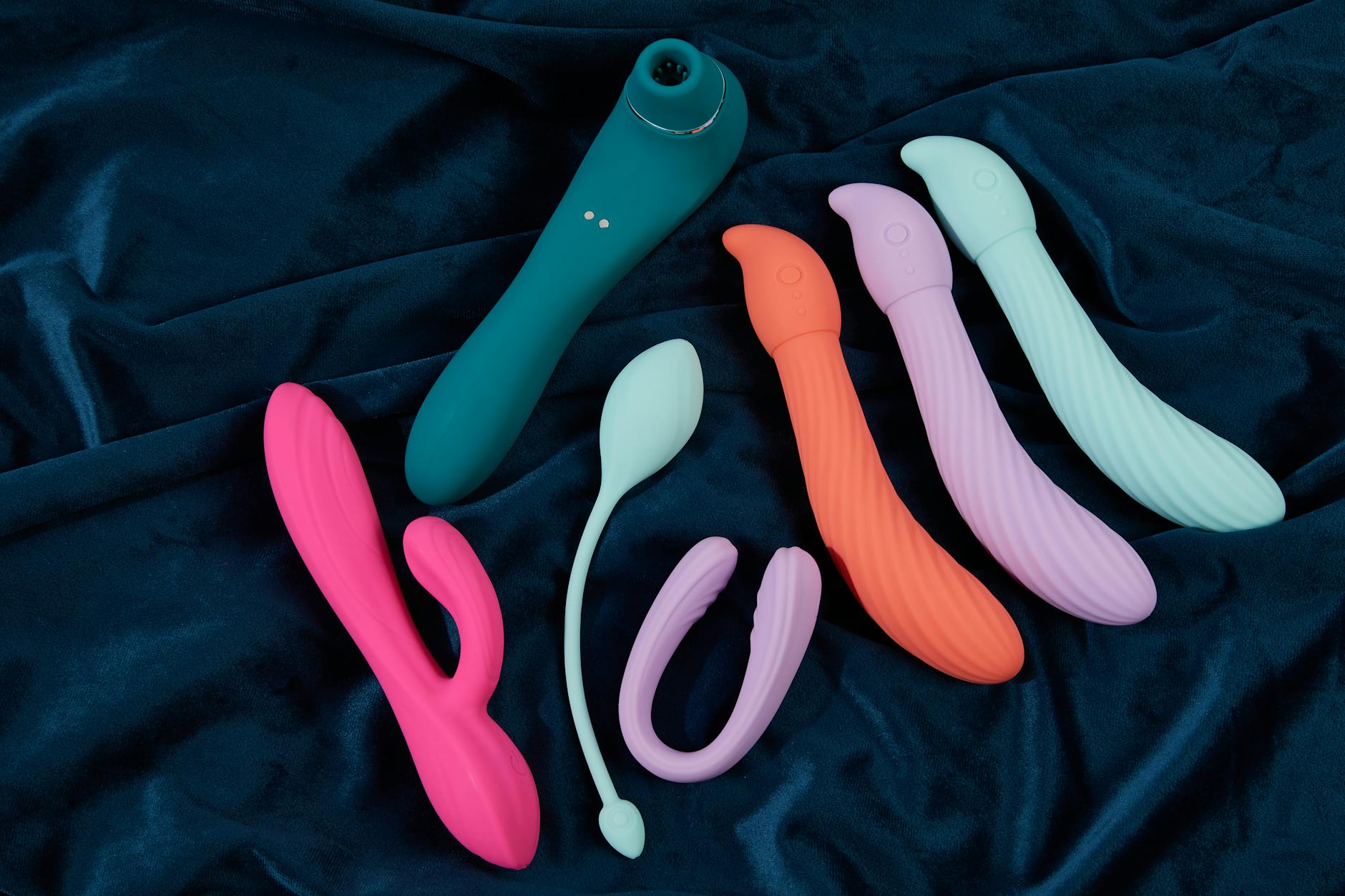
Photo by IFONNX Toys on Pexels
Why lemon suction vibrators work better than other options
Lemon vibrators use gentle air-pulse suction instead of direct vibration. That distinction matters when your tissues are sensitive or inflamed. Vibration travels through the tissue, which can feel too intense or even triggering when you're already dealing with pain. Suction stimulates the thousands of nerve endings in the clitoral bulb without requiring direct friction or pressure.
For people managing penetration discomfort, this matters because you can engage with full pleasure without anything entering the vagina. The suction sensation is contained to the external clitoris. There's no risk of triggering internal pain or pelvic floor tension because nothing is moving internally.
Lemon adult toys also tend to have gentler starting intensities than traditional vibrators. Most people with pain sensitivity need a warm-up period. Starting at level one or two on a lemon vibrator gives you time to let your nervous system settle before building intensity.
Building comfort gradually
If penetration pain has been part of your life for a while, your brain and body have learned to protect themselves. That protection is smart. It's also the reason jumping straight to intense stimulation often backfires. You'll benefit from a slower approach.
Start with the lemon vibrator in your hand without using it. Spend a session just exploring the device. Notice the texture, the weight, the temperature. Let your nervous system recognize this as a safe object. This sounds overly cautious, and it is. That's intentional.
The next session, use it at the lowest setting without direct contact. Hover it an inch or two away from your clitoris. Feel the sensation through anticipation. Your body might be holding tension you don't realize is there. Hovering lets you release that tension without overwhelm.
Once hovering feels genuinely pleasurable, move to light contact. Most people need at least three to five sessions of this kind of gradual progression before jumping to regular use. Patience here pays dividends. You're not just using a toy. You're reteaching your nervous system that pleasure is possible.
The role of lubrication and external comfort
Even though lemon clitoral vibrators don't go inside the vagina, using them can sometimes trigger pelvic floor tightness if you're already managing pain. Lubrication helps. Water-based lube applied to the external clitoris makes the sensation smoother and less intense, which paradoxically can feel more pleasurable because there's less friction resistance.
Beyond lube, your environment matters. If penetration pain is connected to anxiety or trauma, being somewhere private where you won't be interrupted is not a luxury. It's a prerequisite. Dim lighting, a comfortable temperature, maybe a locked door. These aren't indulgences. They're scaffolding.
Many people with pain find that combining a lemon vibrator with pelvic floor relaxation breathing changes the experience dramatically. On the exhale, consciously soften your pelvic floor. On the inhale, maintain that softness. This takes practice, but it interrupts the automatic tension pattern that pain creates.
What to do if your partner is involved
Penetration pain often affects partnered sex. If you have a partner, the temptation is to solve this together immediately. Resist that. The first step is solo exploration with lemon vibrators. You need to know, privately, that pleasure is still accessible to you. That knowledge changes everything about how you approach partnered sex.
Once you've spent a few weeks exploring solo, bring it to the partnership conversation. Not as a Band Aid for penetration. As a genuine part of your shared pleasure. Some couples find that incorporating a lemon clitoral vibrator into foreplay, or using it as the main event instead of penetration, actually improves intimacy. There's less performance pressure. There's more actual sensation.
If your partner is struggling with the shift away from penetration, that's a different conversation. It's about their expectations and your boundaries. Those two things sometimes need professional support to untangle. A sex therapist or relationship counselor can help you both see that shifting how sex happens isn't a failure. It's an adaptation that often leads to better connection.
When to seek professional support
Lemon vibrators are genuinely helpful. They're not, however, a replacement for diagnosis when penetration pain is severe or getting worse. If pain is sharp, burning, or makes you want to stop immediately, see a pelvic health physical therapist or gynecologist who specializes in pain.
Vulvodynia often benefits from topical treatments. Vaginismus responds well to pelvic floor physical therapy. Endometriosis might need different medical management. The point is that while clitoral pleasure is always available to you, understanding what's causing the penetration pain can actually improve your overall sexual health.
A good therapist will never tell you that you need to "fix" the pain before pleasure is allowed. That's backwards. You access pleasure now, with lemon vibrators or other tools that work for your body. The medical support helps you expand options over time. Both things matter.
Starting your exploration
If penetration pain has made you feel like your pleasure days are behind you, they're not. They're just taking a different shape. Lemon sexual toys offer a clean entry point because they're specifically designed for external stimulation. They're easy to use, they build pleasure gradually, and they work whether or not anything else is happening.
Start small. Give yourself permission to explore at a pace that feels genuinely good. You're not trying to "fix" anything or prove anything. You're just remembering that sensation is possible.
People also ask
Can I use lemon vibrators if I have vulvodynia?
Yes, but gradually. Vulvodynia makes the vulva hypersensitive, so diving straight into a standard vibrator setting can feel overwhelming or triggering. Lemon clitoral vibrators are ideal because you can start at the lowest intensity and hover rather than make direct contact. The air-pulse suction is gentler than traditional vibration. Most people with vulvodynia benefit from starting with 5-10 minute sessions at level one and building up over weeks. If suction still feels too intense, a softer vibrator might work better, but many people find that gentle lemon suction becomes pleasurable where other stimulation felt painful.
Will using a lemon vibrator help if I have vaginismus?
Indirectly, yes. Vaginismus is involuntary pelvic floor muscle tension, so anything that requires penetration might trigger it. Lemon vibrators avoid the vagina entirely, which means you can experience clitoral pleasure without triggering the involuntary contraction response. This can actually be part of healing because you're proving to your nervous system that arousal doesn't have to lead to pain. Combined with pelvic floor physical therapy, external clitoral stimulation often helps people with vaginismus gradually retrain their pelvic floor response. The pleasure itself is therapeutic.
How long does it take for penetration pain relief to feel different with lemon vibrators?
That depends on what's causing the pain and how long you've been experiencing it. If pain is recent and situational, some people notice a shift in 2-3 weeks of regular use. If pain is chronic, expect a longer timeline. Your nervous system needs consistent evidence that pleasure is possible before it fully resets. Most people benefit from 4-8 weeks of regular exploration before the relief feels significant. That said, many people notice an emotional shift faster than a physical one. Knowing you can still feel pleasure matters, even if the physical relief takes longer.
Is lemon suction safe if I have scar tissue from childbirth or surgery?
Generally yes, because lemon vibrators stimulate the external clitoris without requiring penetration or internal friction. If scarring is very severe or extends to the external vulva, you might experience some sensitivity initially. Start with hovering sessions and low intensity. If you feel pain or burning, check in with your doctor. Most scar tissue responds well to gentle external stimulation over time. The key is going slowly and not pushing through pain. If lemon vibrators still trigger discomfort after gradual exploration, a pelvic floor physical therapist can help you figure out what's happening and what might work better.
Can penetration pain improve while I'm using lemon vibrators?
Yes, sometimes. Regular clitoral pleasure can help your nervous system reset its pain response over time. That said, improvement depends on what's causing the pain. Vulvodynia or vaginismus might improve with pelvic floor work plus pleasure exploration. Endometriosis or scarring might need medical treatment. Hormonal pain might improve with HRT adjustments. Lemon vibrators aren't a cure for the underlying issue, but they're part of a bigger picture that includes proper diagnosis and support. Many people find that as they experience regular pleasure through clitoral vibrators, they have more bandwidth to seek professional help with the penetration pain itself. Pleasure becomes part of your healing, not separate from it.
What's the difference between lemon vibrators and other clitoral toys for pain sensitivity?
The main difference is the sensation. Lemon vibrators use air-pulse suction, which stimulates nerves without friction. Traditional vibrators create vibration that travels through tissue, which can feel too intense if you're sensitive. Wand vibrators cover a wider area, which some people find overwhelming if they're managing pain. Lemon clitoral vibrators give you precision, adjustable intensity, and a gentler sensation profile. For someone with penetration pain, they're often the best starting point because they offer maximum control and minimum risk of triggering discomfort.