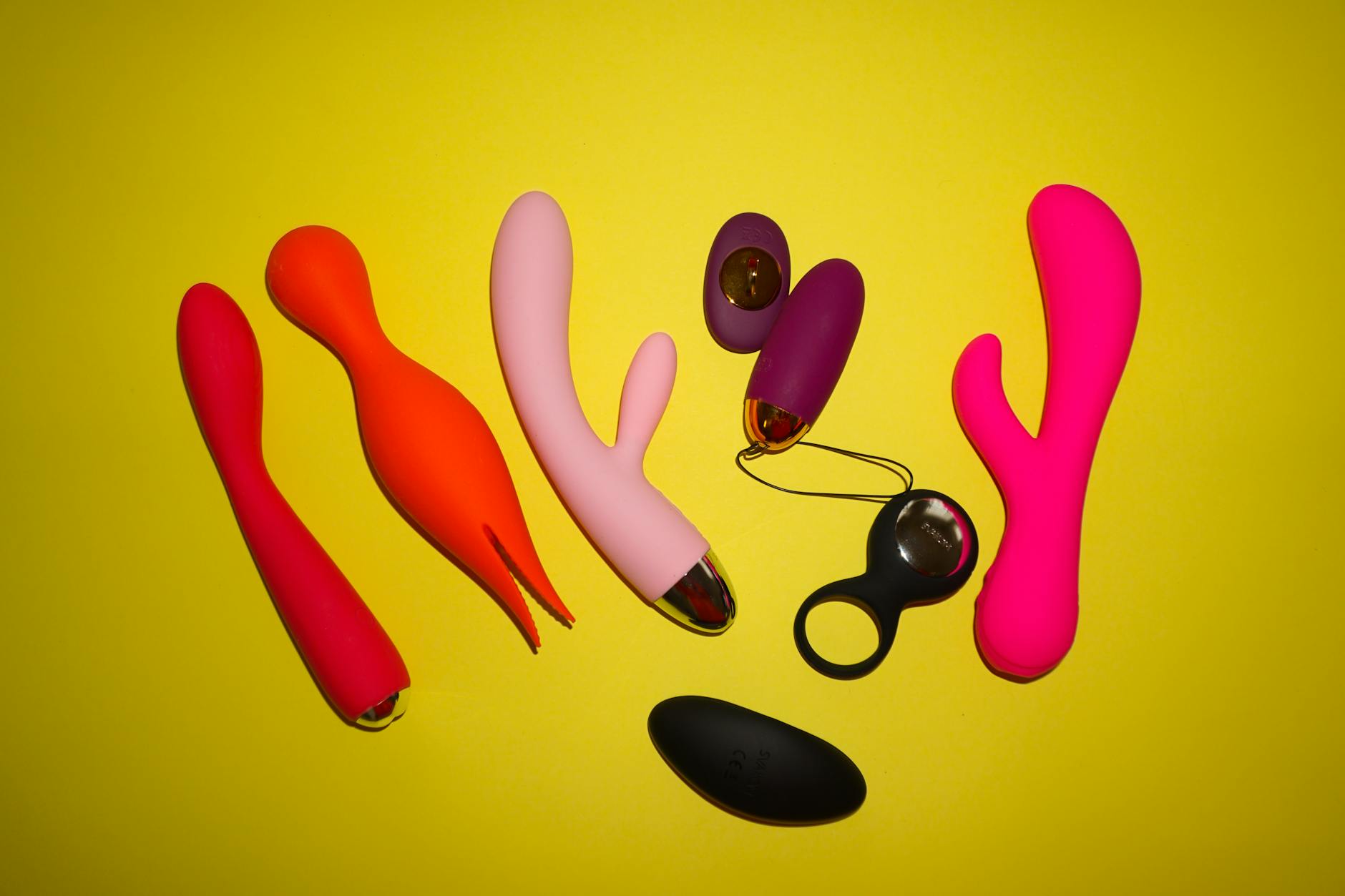
When numbness starts to lift, everything changes
There's a specific moment in recovery that nobody really talks about. It's not the moment you realize you're numb. It's the moment you realize you're not anymore. Maybe it's a flutter during a regular Tuesday. Maybe it's a small spark that feels foreign in your own body. Whatever it is, it's disorienting. You're not the same person who lost sensation, but you're not quite the person you were before it happened either.
If you're here because that moment is happening for you, I want to say this first: rediscovering pleasure after numbness is not about returning to baseline. It's about learning to feel again in an entirely new way. And lemon vibrators, particularly lemon clitoral vibrators, can be an extraordinarily gentle tool for that process. But only if you use them with intention.
I've worked with many people in this exact space. The common thread? They all thought they should jump right back in. They didn't. The ones who moved slowly, who paid attention, who treated sensation recovery like a skill they were relearning. Those are the ones who discovered their best pleasure yet.
Why sensation numbness happens in the first place
Before we talk about recovery, let's be clear about what causes the numbness. There are several pathways. Sometimes it's pharmaceutical. Antidepressants, antihistamines, blood pressure medications, even some birth control formulations can mute sensation. Sometimes it's neurological. Diabetes, nerve compression, or pelvic floor dysfunction can interrupt the signals between your genitals and your brain. Sometimes it's relational or psychological. Stress, disconnection, or past trauma can functionally shut down sensation even when the biology is intact.
Often it's a combination. What matters right now isn't diagnosing the original cause. What matters is understanding that sensation returning is a process, not a switch. Your nervous system is literally rebuilding pathways. That takes time, and it needs the right conditions.
The physiology of sensation recovery
When numbness lifts, it doesn't happen evenly. You might feel sharp sensation in one area while another spot still feels muted. You might experience tingling, phantom sensations, or hypersensitivity before everything settles into normal. This is your nervous system recalibrating. It's actually a positive sign. Discomfort here isn't damage. It's recovery.
The clitoris has about 8,000 nerve endings concentrated in a space roughly the size of a pea. When sensation is coming back online, those nerves are firing in patterns they haven't in months or years. That can feel intense. Not painful, but definitely noticeable in a way that might surprise you. This is where most people make their first mistake. They assume intense means good, so they crank up the stimulation. That usually backfires.
Your nervous system is learning again. You wouldn't teach a child to read by handing them a 500-page novel. Same principle here.
Why lemon clitoral vibrators are the right tool for this transition
Here's the thing about lemon vibrators that makes them specifically useful for sensation recovery. Unlike traditional vibrators that work through rapid oscillation, lemon suction-based toys use gentle air-pulse technology. This means the stimulation pattern more closely mimics the natural wave of arousal your body remembers. It's cumulative, it's rhythmic, and it doesn't require your nervous system to process sudden or jarring input.
For someone whose sensation is returning, that matters enormously. The air-pulse design also means you have more control over intensity progression. You can start at pattern one, stay there for weeks if you need to, and gradually work up. With traditional vibrators, you're choosing between speeds that might all feel too intense or not intense enough.
The design of lemon adult toys also keeps stimulation localized and precise. You're not overstimulating the whole area. You're inviting sensation back in specific, manageable increments. That precision is what lets your nervous system learn without panicking.
Setting up for successful sensation recovery
Three things need to be true before you start using a lemon vibrator during recovery.
First: you need privacy and time. Not rushed, borrowed privacy. Real privacy. Sensation recovery requires attention. You need to notice what's happening. You need to check in with yourself about intensity, discomfort, pleasure. That's hard if you're half listening for someone else or watching the clock.
Second: your pelvic floor needs to be relatively relaxed. This is counterintuitive for people with a history of numbness, because many of them developed pelvic floor tension as a protective mechanism. Your body learned to clench to avoid feeling. Before you start using a lemon clitoral vibrator, spend a week or two just breathing into your pelvic floor. Imagine your breathing moving all the way down. On the exhale, let it soften. You don't need to be perfect at this. You just need to notice where the tension is and show it a little gentleness.
Third: you need realistic expectations. Sensation recovery is not about achieving the biggest orgasm you've ever had. It's about feeling anything at all. It's about rediscovering the small sparks and learning to trust them. Some people take two weeks to notice a difference. Some take three months. Both are normal.
The step-by-step approach to using lemon vibrators for sensation recovery
Week one is about presence, not pleasure. Turn on your lem vibrator to the lowest setting. Position it against your clitoris and simply notice. What do you feel? Tingling? Pressure? Numbness still? Mild discomfort? None of these is wrong. You're establishing a baseline and letting your nervous system know that gentle stimulation is coming.
Stay here for five to ten minutes. That's enough. Your goal is habituation. You want your nervous system to register this as safe, repeatable input. Do this three or four times that week. Same time, same place, same low intensity. Boredom is actually good here.
Week two, same protocol but now you're noticing changes. Are you feeling more? Different? Staying numb? Adjust accordingly. If you're experiencing any pain, stop. Sensation recovery should not hurt. Tingling and slight discomfort are fine. Sharp pain means something else is happening and you need to talk to your doctor.
Week three, if everything is tracking well, you can try moving to pattern two. Maybe for one session. Go back to pattern one the next time. You're looking for a rhythm that feels mildly pleasant without being intense. We're not chasing pleasure yet. We're building familiarity.
The emotional piece nobody mentions
Sensation recovery is about your nervous system, but it's also deeply emotional. If you've been numb for a long time, pleasure might feel foreign or even unsafe. Your psyche might associate sensation with the original cause of numbness. That's real, and it matters. Many people find that as sensation returns, old feelings come up. Grief about the time lost. Anger about the numbness. Relief. Sometimes all three at once.
This is completely normal. You don't need to push through it. You need to breathe through it and let it move. If it's overwhelming, talking to a therapist who understands sexual health can be genuinely transformative. There's no shame in needing support here.
You might also notice that pleasure feels different now. Maybe better in some ways. Maybe more complex. That's not a failure of recovery. That's integration. Your body and mind have learned something. They're changed.
Common obstacles in sensation recovery
Some people plateau. Sensation comes back partway and then stalls. This usually means one of two things is happening. Either your nervous system needs more time, or you're trying to progress too quickly. If you've been on pattern one for four weeks and nothing is changing, stick with it for two more weeks. If nothing changes after six weeks, check in with a healthcare provider who specializes in sexual health.
Other people find that sensitivity comes back but it's hypersensitive. Everything feels too intense, even pattern one. This is actually common and it's treatable. Sometimes a break helps. Sometimes using the lem vibrator with the opening turned slightly away from direct contact helps. Sometimes you just wait a few more weeks. Don't force intensity you're not ready for.
Some people get discouraged because sensation feels weird or uncomfortable rather than pleasurable. That's also normal. Your body is relearning something. It doesn't necessarily feel good immediately. It feels like something. That's the win.
Integrating sensation recovery into partnership
If you have a partner, this conversation matters. Tell them what you're doing and roughly what the timeline might look like. Tell them that sensation recovery is slow, intentional, and not always about partnership sex. Tell them that your pleasure during this time is about you reconnecting with yourself.
This might sound like: "I'm using a lemon vibrator to help my body wake up again after being numb. It's kind of like physical therapy. I need you to know this is happening, and I also need some space to do it alone for a while. This doesn't mean anything about how I feel about you or about us."
Good partners understand. They know that your nervous system healing is good for everyone. If your partner resists, that's information too. It might be worth exploring separately why they're uncomfortable with your recovery.
When sensation is back and what comes next
At some point, sensation stops being the new thing. It just becomes normal again. You'll notice this moment because you won't be thinking about whether you can feel. You'll just be feeling. When that happens, you have options. Some people keep using lemon clitoral vibrators because they genuinely like them. Some people branch out to other tools. Some people move into partnered exploration. All of that is fine.
What matters is that you notice the transition. Mark it somehow. You've done something genuinely difficult. You've taught your nervous system to feel again. That deserves acknowledgment.
People also ask
How long does it typically take for sensation to return when using lemon vibrators?
Sensation recovery is individual and depends heavily on what caused the numbness in the first place. If it was medication-related and the medication has stopped, some people notice changes within two to three weeks. If it was stress or relational, it might take longer. For neurological causes, progress can be slow but steady over months. The key is consistency and patience. Using a lemon vibrator three to four times a week is more useful than daily use with frustration. Track small changes. A slight tingle is progress.
Can using lemon vibrators too soon delay sensation recovery?
Yes, potentially. If you jump to high intensity too quickly, you can actually teach your nervous system to brace against the stimulus rather than welcome it. That's the opposite of what you want. Start low, stay consistent, progress slowly. If you use a lemon clitoral vibrator aggressively during recovery, you might set yourself back a week or two. It's not permanent damage, but it's frustrating. Slow and steady genuinely works better here.
Is numbness that doesn't return with lemon vibrators a sign something is seriously wrong?
Not necessarily, but it's worth investigating. After six to eight weeks of consistent, low-intensity use with a lemon vibrator and no change at all, talk to your doctor. Numbness can indicate diabetes, nerve damage, pelvic floor dysfunction, or medication effects that need clinical attention. A good sexual health specialist or gynecologist can help figure out if something else is going on.
Should I use lemon vibrators alone or with a partner during sensation recovery?
Both are valid, but they serve different purposes. Alone, you can focus entirely on sensation and what your body is doing. With a partner, you add the emotional element of connection and being witnessed. During early recovery, many people find solo use is grounding. As sensation becomes more reliable, partnered use often feels better. You don't have to choose one. You can do both.
Can I use other toys alongside a lemon vibrator during recovery?
Yes, but keep it simple. If you're using a lem vibrator, that's probably the main tool. You might also benefit from simple external stimulation with hands or fingers. Keep everything low-intensity and consistent. Once you're further along in recovery and sensation is more stable, you can experiment more. During early recovery, consistency and simplicity win.
What if sensation returns but feels different or less intense than it was before?
That's actually quite common and usually not permanent. As your nervous system stabilizes, sensation often becomes richer and more nuanced rather than simply more intense. Sometimes it takes a few more weeks for the full feeling to emerge. If it stays noticeably different after two months of consistent use, check in with a healthcare provider. They might identify something like pelvic floor patterns or medication adjustments that would help.
The bigger picture
Sensation recovery is about much more than just lemon vibrators. It's about patience with yourself. It's about trusting your body even when it hasn't cooperated in a while. It's about noticing small changes and letting them matter. The tool, whether it's a lemon clitoral vibrator or something else, is secondary. The presence and consistency are what actually rebuild the connection.
You're not starting over. You're remembering. Your body knows how to feel. It's just taking a moment to remember. That moment is worth honoring.