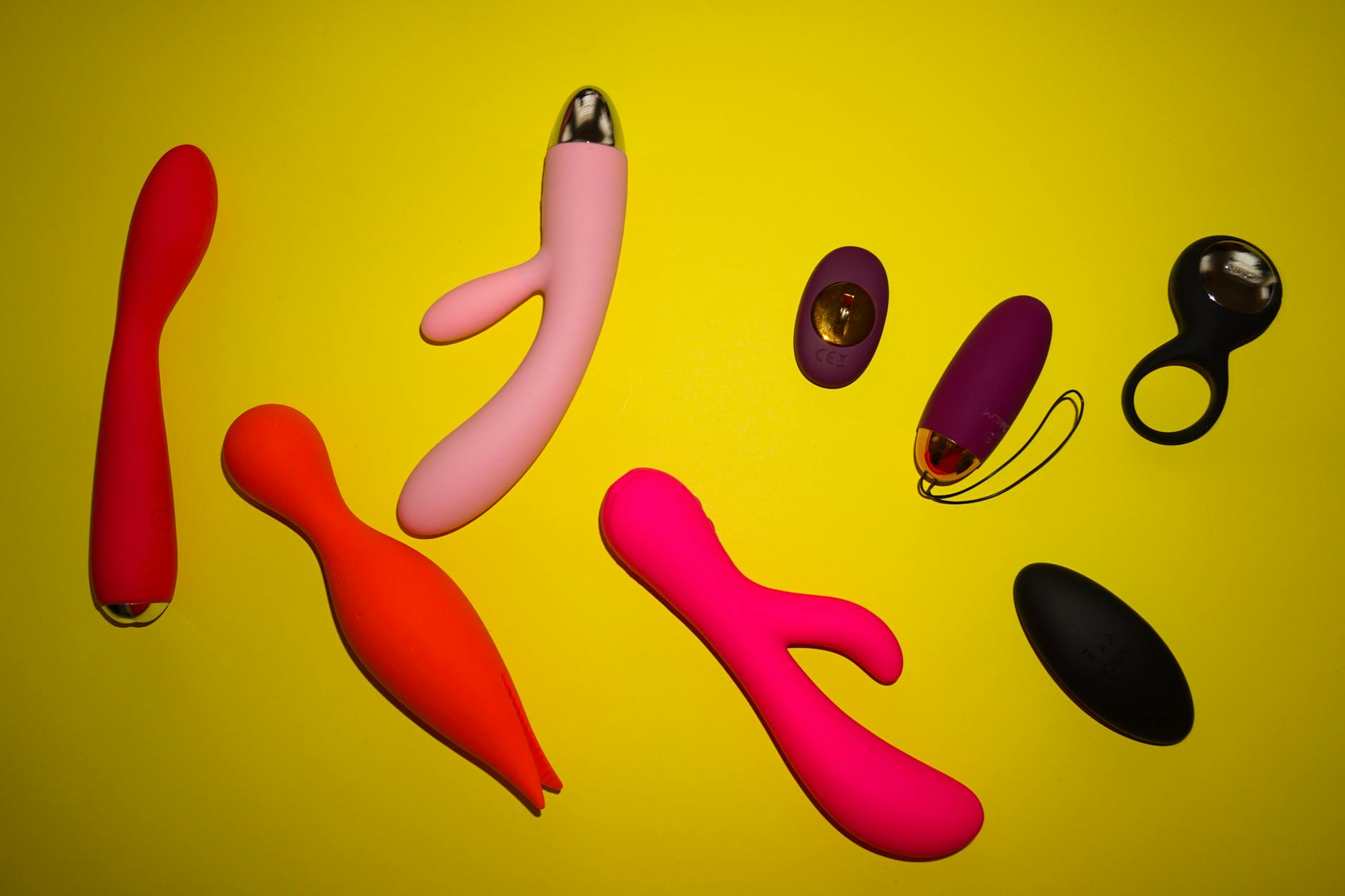
When pleasure goes quiet
Depression doesn't announce itself as a pleasure thief. It just turns down the volume so gradually you stop noticing the silence. Your body's still there. The wiring's still there. But the signal between your brain and your skin gets weaker and weaker until touching yourself feels like touching a stranger's arm.
Then recovery starts, and something shifts. Maybe medication helps. Maybe therapy does. Maybe time does. And suddenly you're aware again that pleasure exists, and you want it back. But your body feels unfamiliar. Your desire feels fragile. Your confidence feels shot.
That's where most people get stuck. Not because pleasure is gone. But because reentry feels impossible.
Why depression numbs sensation in the first place
Depression isn't just sadness. It's anhedonia: the clinical term for the inability to feel pleasure. This happens because depression flattens dopamine signaling in your brain. Dopamine isn't just about happiness. It's the neurotransmitter responsible for motivation, arousal, and the reward system that makes pleasure feel like pleasure.
When dopamine drops, sensation changes. You might touch yourself and feel nothing. Or you might feel something muted, distant, like you're experiencing it through a layer of glass. Your body hasn't changed. Your nerves haven't stopped working. But the neural pathway between sensation and pleasure has gone quiet.
Additionally, depression often comes with a disconnection from your body itself. You're not inhabiting your skin. You're observing it from somewhere above. This dissociation makes touch feel wrong. Intimate touch can feel invasive rather than pleasurable.
The neuroscience of gentle reentry
Recovering pleasure after depression requires something specific: external stimulation that's strong enough to cut through the numbness but doesn't require you to generate arousal from inside yourself.
This is where lemon vibrators matter. The suction mechanism works differently than traditional vibration. Instead of relying on friction that your brain has to interpret as pleasurable, suction creates a specific pressure and pulse pattern that directly stimulates the nerve endings in the clitoris. This means less work for your dopamine system. More immediate signal.
Think of it this way: if your pleasure circuits are dimmed, you need stimulation that works around that dimness rather than trying to turn up the volume on something that's already quiet.
Starting small when your nervous system is fragile
Here's what I tell clients rebuilding after depression: don't start where you left off. Start where you are.
If you haven't had sexual pleasure in months, your nervous system is probably in a protective state. It learned to shut down sensation as a survival mechanism. Jumping into intense stimulation can feel triggering rather than healing.
With a lemon clitoral vibrator, start at the lowest setting. Let it just sit there for a moment before turning it on. This gives your nervous system permission to notice what's happening instead of panicking. Then turn it on at pattern 1 or 2 and spend time with just that. No goal. No expectation of orgasm. Just sensation.
Most people expect pleasure to return like a light switch. It doesn't. It's more like dawn. It gets gradually brighter.
Rebuilding the body-mind connection
One of the cruelest parts of depression is that it teaches your brain not to trust your body. Your body was supposed to feel good and it didn't. So now your nervous system is skeptical.
This is why solo exploration matters more than partnered sex during recovery. With a partner, even a well-meaning one, there's an invisible audience in your head. You're monitoring their reaction. You're worried you're taking too long. You're performing recovery instead of actually recovering.
With a lemon vibrator and privacy, you can slow down. You can explore what actually feels good right now, today, in this body. You can notice when sensation shifts from nothing to something. You can discover that your body didn't break. It was just quiet.
Many people find that their most reliable return to pleasure comes through solo experience first. Once your nervous system learns again that touch can feel good, partnered intimacy becomes possible without the pressure.
When to involve a partner
If you're in a relationship, your partner has probably been grieving too. They miss you. They miss touching you. But most well-meaning partners don't know how to help without making it feel like pressure.
Here's what I recommend: tell them about your process. Not to perform it for them, but so they understand what's happening. "I'm relearning sensation. I might use a vibrator alone for a while. It's not about you. It's about my nervous system learning to trust pleasure again."
Once you've rebuilt some confidence solo, you might invite them into the room while you use a lemon vibrator, but not to touch you. Just to be present. This bridges the gap between solo and partnered without the pressure of simultaneous arousal.
Then, when you're ready, partnered use becomes possible. But it starts with them watching, then helping you hold the vibrator, then using it together. Small increments.
Medication, pleasure, and timing
One thing people don't always know: some antidepressants can themselves dull sensation, especially SSRIs. This is separate from depression anhedonia. It's a medication side effect.
If you're on antidepressants and noticing numbness even as your mood improves, talk to your doctor. There might be alternatives that work for your brain without flattening sensation. But also know that this is temporary. Your body's sensitivity often returns once medication adjusts or changes.
In the meantime, lemon vibrators can actually help. Because they work mechanically, they sometimes cut through medication-induced numbness better than manual stimulation does.
What recovery actually looks like
Recovering pleasure after depression isn't linear. You might have a day where sensation feels bright and clear, and then three days where it feels muted again. This is normal. This is your nervous system learning to trust good feeling again.
Many of my clients report that their first moment of genuine pleasure in months was surprising. Not planned. They were using a lemon vibrator with no expectation and suddenly felt a spark. That spark matters. It's evidence that your capacity for pleasure is still there.
From that point forward, pleasure usually builds. Your nervous system starts to remember. Your dopamine system starts to reactivate. The pathways between sensation and joy start to light up again.
But it requires patience with yourself. And it requires tools that work with your nervous system, not against it.
Key practices for rebuilding
Four things that matter most:
-
Privacy and no expectations. Solo pleasure first, partnered pleasure later. No timelines.
-
Starting low and building slowly. Lemon vibrators at low settings feel less invasive than high intensity when you're rebuilding.
-
Consistency over intensity. Using a vibrator for 10 minutes three times a week at low settings rebuilds more trust than sporadic intense sessions.
-
Separating pleasure from penetration. Clitoral sensation often returns before penetrative pleasure does. That's fine. That's normal. Work with where your body is.
Depression is a real loss. Rebuilding pleasure after it is real work. But pleasure doesn't disappear. It just goes dormant. And dormant things can wake up.
People also ask
Is it normal to feel nothing at first when rebuilding pleasure after depression?
Completely normal. Depression numbs sensation at a neurological level. Your nerve endings didn't stop working, but the signal from sensation to your brain's pleasure centers got quiet. This takes time to rebuild. Starting with external stimulation like a lemon vibrator is actually useful because it provides direct pressure and pulse that work around the numbness rather than requiring your brain to generate pleasure internally. Give it weeks, not days. Your nervous system is learning to trust good feeling again.
Can lemon vibrators help if I'm still on antidepressants?
Yes, actually. Some antidepressants, particularly SSRIs, can reduce sensation and orgasm ability as a side effect. This is separate from depression anhedonia. Lemon vibrators work mechanically rather than relying on manual stimulation or your body's natural arousal response, so they sometimes cut through medication-induced numbness better. That said, talk to your doctor. There might be medication adjustments that help. But while you're figuring that out, a lemon clitoral vibrator can be genuinely useful for reconnecting with sensation.
What if I still can't feel pleasure after trying for months?
That's worth discussing with your therapist or doctor. Sometimes depression lingers in ways that require additional treatment. Sometimes the medication needs adjusting. Sometimes there's an underlying condition like hormonal changes or other health issues affecting sensation. But also know that recovery isn't always linear. You might have weeks where sensation feels available again, then weeks where it disappears. This is your nervous system slowly learning to trust pleasure. If you're genuinely concerned, professional support is the right call.
Should I use a lemon vibrator alone or with my partner while rebuilding?
Start alone. Your nervous system needs to learn that pleasure is safe without the added layer of performing for someone else or managing their feelings. Once you've rebuilt some confidence solo, you can invite your partner into the room as a witness (not a participant at first). Then gradually increase their involvement. Partnered use becomes possible when your body has already learned to trust sensation again.
How long does it typically take to rebuild pleasure after depression?
There's no fixed timeline. If your depression was mild and brief, pleasure might return in weeks. If it was severe or long, it might take months. The key is consistency without pressure. Using a vibrator regularly at whatever setting feels good, with no expectation of orgasm, gradually rebuilds the neural pathways. Most people notice meaningful shifts in sensation within 4 to 8 weeks of gentle, consistent exploration. But your body will tell you when it's ready.
Can antidepressant medication permanently affect my ability to feel pleasure?
No. Medication-induced numbness is a side effect, not permanent damage. Once your body adjusts to medication or you change medications, sensation usually returns. Some people find that their sensitivity actually improves on certain medications because they're thinking more clearly and feeling less depressed. Talk to your doctor if numbness persists, because there are often solutions. And in the meantime, tools like lemon vibrators can help you stay connected to your body while you figure out the medication piece.
You're allowed to take your time
Recovering pleasure after depression is one of the most vulnerable things you'll do. You're learning to trust your body again. You're rebuilding confidence. You're gently waking up your nervous system to feeling good.
There's no rush. There's no performance. There's just you, your body, and tools like lemon vibrators that can help you reconnect with sensation without pressure.
If you have questions about how to navigate this or want to talk through your specific situation, reach out. You don't have to figure this out alone.