Let's be real about aging and orgasms
Somewhere in your 40s or 50s, you probably noticed it took longer. Fifteen minutes became twenty. Twenty became thirty. And at some point, you started wondering if it was just you, or if this was actually normal. It's normal.
Orgasm latency (the time it takes to climax) increases with age for most people. This isn't dysfunction. It's physiology. But here's what nobody explains clearly: a longer timeline doesn't mean weaker sensation or less intense pleasure. It often means exactly the opposite if you know how to work with it.
Why the timeline changes
Three things happen as you age that slow arousal and orgasm buildup.
Hormonal shifts. Estrogen and testosterone both decline, which reduces blood flow to the clitoris and vagina during arousal. Less blood flow means longer time to reach the engorgement threshold that triggers orgasm. This isn't about desire. It's about logistics.
Vascular changes. Your cardiovascular system becomes less efficient at routing blood to the right places fast. Your heart doesn't pump quite as hard during sex, so it takes longer for tissues to swell and sensitize. Again, this is aging. Not pathology.
Neurological recalibration. Your nervous system doesn't respond as quickly to stimulation, and it takes more consistent stimulation to keep the arousal signal firing. The wiring is still there. It just needs more current.
All three of these things are happening at the same time. So when you add them together, you're looking at arousal that builds in a different rhythm than it used to.
The plot twist
Here's what research actually shows: people over 50 report orgasms that are longer, more full-body, and sometimes more intense than when they were younger. This is not a myth. It's a documented pattern.
Why? Once you clear the longer buildup time, the release comes from a place of deeper body awareness. Your pelvic floor is stronger. Your nervous system is more settled. And you've generally lost patience with half-measures and performance, so you're actually focused on sensation in a way you maybe weren't before.
How lemon vibrators help with a longer timeline
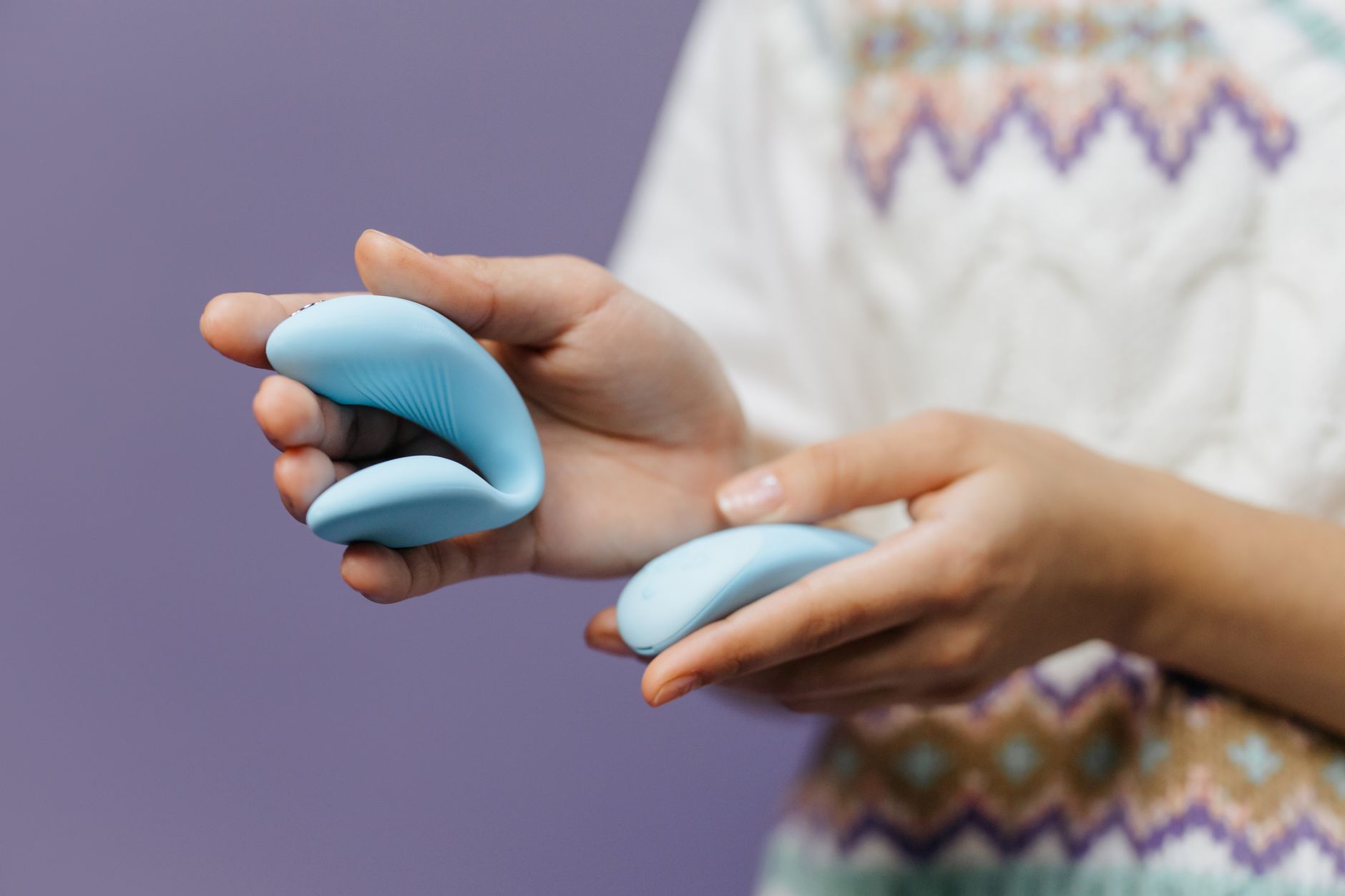
Clitoral vibrators like the Lemon are specifically useful when orgasm takes longer because they maintain consistent, precise stimulation without fatigue.
They don't get tired. Your hand gets tired. Your partner's tongue gets tired. A lemon clitoral vibrator doesn't. When orgasm takes 25-35 minutes to build, consistency matters more than novelty. The Lemon delivers the same amplitude and frequency for as long as you need, so your nervous system can relax into the buildup instead of bracing for variation.
They deliver focused intensity. The Lemon's suction-based design stimulates the clitoral network (which extends much deeper than the visible glans) without the friction that can become uncomfortable on aging tissue. Suction creates a seal and release rhythm that many people find easier to feel and ride toward climax than vibration alone.
They let you control the pace. If you're working toward orgasm over thirty minutes, you want control. You want to start slow and gradually increase, not have someone (or yourself) guessing the right intensity. The Lemon has adjustable patterns and intensity levels, so you can match the tempo to your nervous system's actual readiness.
How to use the Lemon when arousal builds slower
Four practical adjustments from my clinical experience.
Start earlier. Begin stimulation when you think you're maybe 30% interested, not when you're already at 70% arousal. Give yourself permission to spend five to ten minutes just warming up. Many people rush into intensity when they're aging because they're anxious about whether climax will happen at all. It won't. Slower arousal means you have more time. Use it.
Use lubricant generously. Aging tissue tends toward dryness, and the Lemon works better with wetness. A water-based lube isn't a sign something's wrong. It's a tool that lets the vibrator do its job better. Reapply every ten minutes or so. This removes friction and lets you focus on sensation.
Layer stimulation. Many people find that clitoral stimulation alone takes longer to trigger orgasm as they age. If you want to speed the timeline slightly, combine the Lemon with internal stimulation (fingers, a partner, or a second toy). The combined sensation often recruits orgasm faster than external alone. Or use the Lemon while your partner provides other touch. Variety in sensation can speed arousal buildup even when individual sensations take longer.
Find your sweet spot frequency. The Lemon has multiple patterns. When arousal builds slowly, some people find lower frequencies (around 40-80 Hz) easier to feel building toward climax than high-speed vibration. Experiment. You're not looking for the fastest route to orgasm. You're looking for the rhythm that feels easiest to sustain focus on.
What slow arousal actually means for pleasure intensity
Here's the part that matters most: if you let arousal build at its natural pace instead of fighting it, the orgasm quality often improves. You're not grinding toward a finish line. You're tracking sensation through a longer arc.
My clients often report that their best orgasms in their 50s and 60s feel completely different from their 30s versions. Less about the peak, more about the total body response. Less sudden, more rolling. That transformation only happens if you accept the longer timeline instead of treating it as a problem to solve.
When to check with a doctor
If arousal is taking dramatically longer than it did even a few years ago, and it's accompanied by pain or numbness, that's worth mentioning to a gynecologist or primary care doctor. Sometimes a drop in arousal speed signals an underlying issue like low thyroid function, medication effects, or early genitourinary syndrome that's very treatable.
But if arousal is just slower without pain or numbness, and you're healthy overall? That's aging. Not broken. Just different.
FAQ: Orgasm timing, aging, and lemon clitoral vibrators
Is it normal for orgasms to take longer as I age?
Completely normal. Orgasm latency (time to climax) increases with age for most people with any body type. This is driven by hormonal changes, reduced blood flow, and slower nervous system response. It's not a sign of dysfunction. It's physiology.
Can I speed up my orgasm without feeling like I'm forcing it?
Yes, but not by pushing harder. Instead, extend your arousal window. Start stimulation earlier, use more foreplay, add lubrication, and layer different kinds of touch. The Lemon helps because it provides consistent stimulation while your nervous system builds arousal at its actual pace. Many people find that accepting the longer timeline paradoxically makes climax easier and more intense.
Does a clitoral vibrator like the Lemon help with slower arousal?
Yes, because it removes fatigue. When orgasm takes 20-35 minutes, having a tool that delivers consistent, adjustable stimulation without hand or jaw fatigue makes a huge difference. You can start low and gradually increase intensity without interruption, and your partner (if present) can focus on other touch instead of maintaining manual stimulation.
Should I use lube with a lemon clitoral vibrator if I have aging-related dryness?
Absolutely. Dryness is common as you age, and adding water-based lube enhances how the Lemon feels. The seal-and-release suction mechanism works better with wetness, and lube reduces friction on sensitive tissue. This isn't a workaround. It's the normal setup.
Does slower arousal mean weaker orgasms?
No. Research shows people over 50 often report longer, more intense, and more full-body orgasms than when younger. Slower buildup doesn't predict weaker release. In fact, the extended arousal window often recruits more neurological activation, leading to deeper sensations. The key is letting the timeline unfold instead of treating it as something to rush.
Can medication affect how long it takes to orgasm?
Yes. Antidepressants, blood pressure meds, antihistamines, and some hormonal medications can all extend arousal time and reduce sensation. If you've started a new medication and noticed slower arousal, mention it to your prescriber. There may be alternatives, or you might just need to adjust your expectations and technique. A clitoral vibrator becomes even more valuable in this situation.
The bottom line
Your orgasm timeline shifting isn't a loss. It's a redirect. Longer arousal means more time to feel, more surface area recruited, often more intensity when you finally arrive. A lemon clitoral vibrator fits this timeline perfectly because it removes the fatigue variable and lets you control the pace.
Some of my clients tell me their best years sexually have been after 50, once they stopped resisting the slower pace and started leaning into it. That's not inspirational fluff. That's what happens when you work with your body instead of against it.
If you're interested in exploring how a lemon clitoral vibrator might fit your current pleasure practice, start with <a href="/faqs">our FAQs</a> or <a href="/contact">reach out directly</a>. We're here to help you understand what works for your body right now.