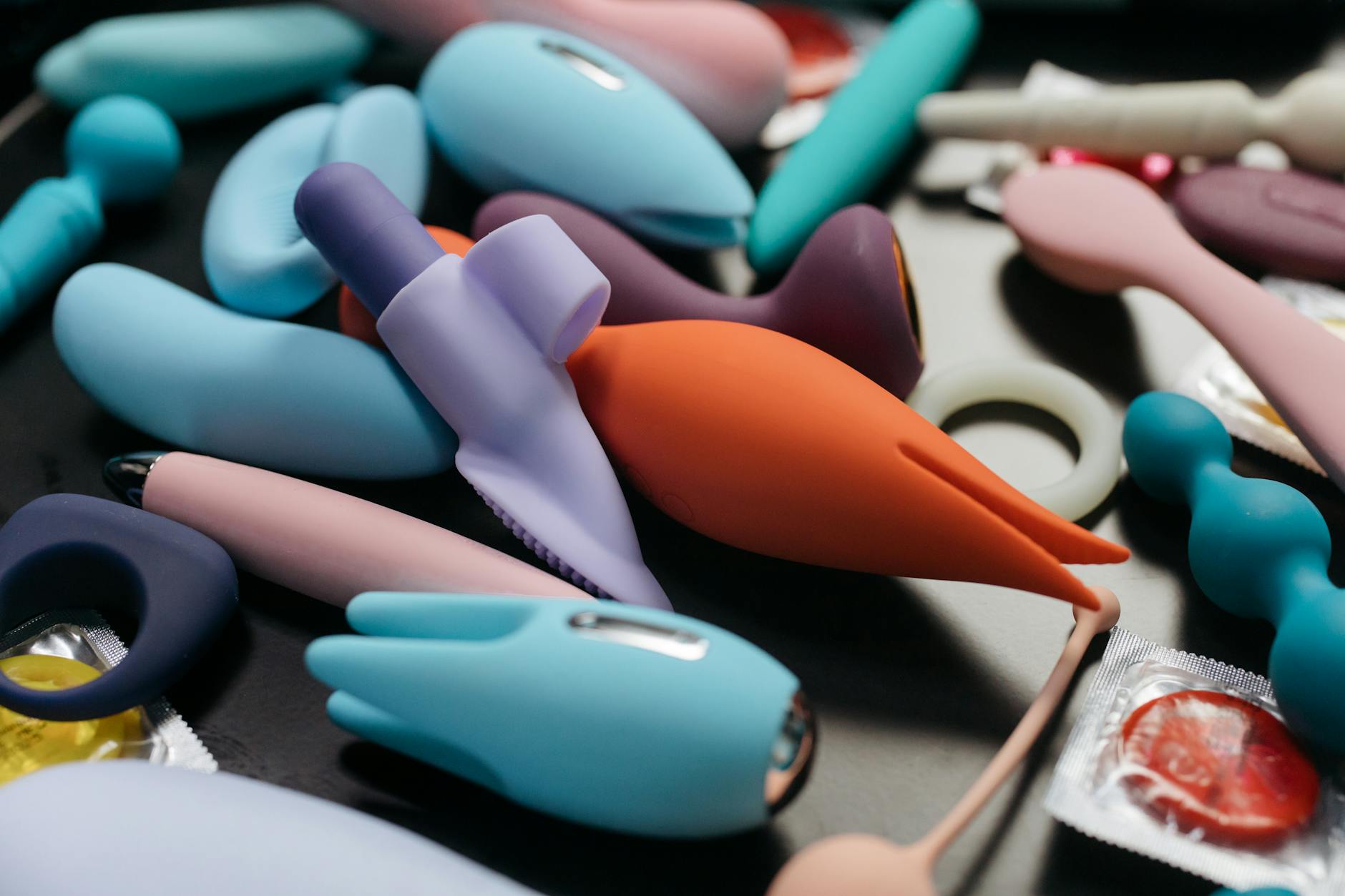
Let's name what's actually happening here
You've spent months (or years) alone with your pleasure. You know your body. You know what rhythm works, what pressure feels right, when you're in the mood and when you're not. You know your lemon vibrator like it's part of you. And now someone new is in the picture, and suddenly that clarity gets tangled.
Here's the thing: introducing a clitoral vibrator into partnered sex after a period of solo exploration isn't about losing what you've built. It's about expanding it. But it does require a conversation you might not have rehearsed.
Why the transition feels different than you'd expect
When you're using lemon sexual toys alone, there's no audience. No one's watching your face. No one's wondering if they're doing it "right." You can spend fifteen minutes on pattern two with zero pressure. You can ask for what you want from a device that doesn't have feelings.
Bring a partner into that space and suddenly the dynamic shifts. Not because the vibrator changes, but because vulnerability does. You go from solo exploration to collaborative pleasure, and that's genuinely a different skill.
Most people assume their partner will be thrilled. Some are. Some feel uncertain about their role. Some worry they're being replaced by a toy. Most won't say any of this out loud unless you ask.
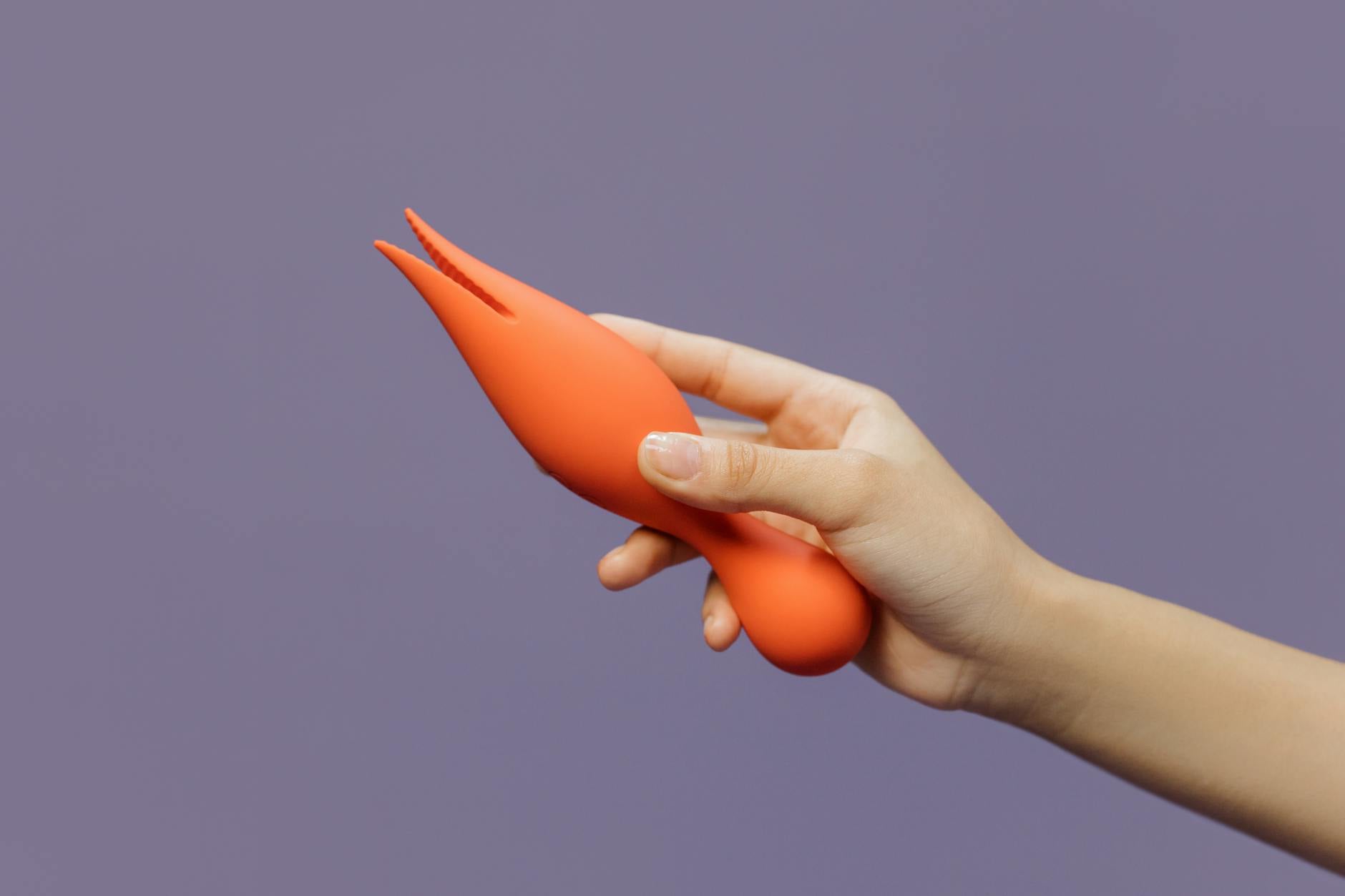
Photo by cottonbro studio on Pexels
The conversation before you introduce the toy
Don't spring the lemon vibrator on them mid-intimacy. That's not a turn-on for most people. It's a surprise that reads as either a test or a rejection, depending on their insecurity level.
Instead, pick a moment outside the bedroom. "I want to bring something into our sex life that I've enjoyed solo. Would you be open to exploring that together?" That's it. You're not asking permission. You're signaling that collaboration matters to you.
If they ask what it is, tell them. If they seem hesitant, ask what they're worried about. Usually it's one of three things: they think you're unsatisfied with them, they're unsure what to do with it, or they're uncomfortable with toys in general. Each concern gets a different answer.
"I'm bringing this because I want to feel good with you, not instead of you." That often lands.
How to actually introduce it without awkwardness
First time using a lemon clitoral vibrator with a partner, keep it simple. You're not performing a production.
Start with foreplay you already enjoy. Let your partner touch you normally. When you feel ready, you bring the vibrator in. You might say, "I want to try this. You can keep doing what you're doing, or do something different. Let's see what feels good." Then you use it on yourself while they're present and engaged.
This is important: you're not handing it to them yet. You're showing them how you like it. You're demonstrating that this is about your pleasure, not about them failing at something.
Many partners will want to take over the vibrator after a few minutes. Some will want to continue with their hands. Some will want to stop and resume without it. All of that is data. Pay attention to what creates connection versus what feels clinical.
When they want to use the vibrator on you
This is where most people get nervous. You know exactly how you like pressure and rhythm. They don't. You'll be tempted to give a play-by-play: "Slower. Higher. No, back to the other pattern."
Instead, try: "I like this. More of that." Or, "That's nice. Let's try something different." Your partner is learning your body in a new way. That takes time. Let it take time.
If they're using a lemon sucker or other air-suction vibrator on you, the learning curve is shorter because intensity is easier to control. Air-suction devices feel less jarring to most people than traditional vibrators, which actually makes partnered use easier from the start.
That said, if something doesn't feel good, speak up. "A little softer there" is not criticism. It's information. Frame it as direction, not rejection.
The part nobody talks about: when it becomes your thing as a couple
After a few encounters, most couples find a rhythm. You might discover that your partner loves holding the vibrator while you use your hands on them. You might find that using it together creates a different kind of intimacy than penetrative sex. You might notice that lemon vibrators actually make it easier to reach orgasm during partnered sex, which takes pressure off both of you.
That last point is worth saying clearly: if you haven't been able to orgasm with a partner easily, a clitoral vibrator changes that. It's not a workaround. It's access. And most partners, once they realize that, stop worrying about "being enough."
How to handle the self-consciousness that might creep in
Even after things are going well, you might find yourself in your head. "Does he think I need this too much?" or "Are we weird for doing this?" That's normal. That's also something to acknowledge without performing it.
If it happens mid-session, notice it and let it pass. You don't need to apologize for your body's needs. If it becomes a pattern, check in with your partner outside the bedroom. "I sometimes get in my head during sex. That's not about you. I'm working through it."
Most partners appreciate that kind of directness because it removes the guesswork. They don't have to wonder if they did something wrong.
When to integrate it into different kinds of sex
You don't have to use lemon vibrators every time you're intimate. In fact, please don't. Variety matters. Some nights you'll want to explore with the toy. Some nights you'll want other kinds of touch. Some nights will be about a quickie without extras.
The vibrator becomes another tool, not a requirement. That's the sweet spot.
That said, if one or both of you has difficulty reaching orgasm, or if your arousal patterns have changed, using lemon clitoral vibrators during partnered sex can actually reduce anxiety and make the whole experience less goal-oriented. Sometimes the best conversations happen when the pressure to perform is off.
The deeper thing: pleasure as a shared language
Bringing toys into a new relationship does something quieter than most people expect. It creates precedent for talking about pleasure directly. You've said, "This matters to me." Your partner has listened. You've figured it out together.
That conversation competency transfers everywhere. If you can say "I like it this way," you can also say "I need more time together" or "I'm feeling disconnected." The vibrator is just the first door.
If you're wondering whether your partner might feel insecure about exploring solo play in a new relationship, remember that most insecurity comes from not knowing. Clarity helps. And most partners, when they understand that you're including them in something you love, usually feel closer, not threatened.
FAQ
Can I use my vibrator immediately after we get together, or should I wait?
Wait until you've built some sexual comfort. A few months is reasonable. You want the baseline of partnered intimacy to be established first. Otherwise, the toy becomes a placeholder for connection you haven't built yet. Let the relationship ripen. Then introduce something that deepens it.
What if my new partner thinks vibrators are "cheating" or unnatural?
That's a values conversation, not a sex one. Ask what they actually mean. Often it's "I'm worried I'm not enough" wearing different clothes. Other times it's "I have a belief about what real sex is." You can't logic someone out of a belief, but you can invite them to question it. "What would it mean if I used this?"
Should I mention I used lemon vibrators when I was single, or keep that private?
You don't have to volunteer your solo-play history. But if you're introducing a toy into partnered sex, it's honest to mention that you already know how you like it. That's not a threat. That's just information. "I've explored this on my own. I liked it. I'd like to see how it works with you."
What if they want to use it but I'm not comfortable yet?
No is a complete sentence. "I'm not ready for that yet" is also complete. You don't need to justify it. If they push, that's a flag about consent in your relationship. Address it directly or reconsider whether this person respects your boundaries when it matters.
How do I know if this is actually improving our sex life or just adding pressure?
Check in after a few times. "How are you feeling about this?" If either of you feels obligated, step back. Pleasure should not feel like homework. If the vibrator is making sex better and more connected, you'll both feel it. If it's creating tension, you'll feel that too. Trust what you notice.
My partner seems interested in the vibrator but not in me. Is that a toy problem or a relationship problem?
That's a relationship problem wearing a toy costume. The vibrator isn't the issue. The disconnection is. Don't use the vibrator as a way to fix that. Use a conversation, or a therapist, or a clear-eyed decision about whether this person is actually interested in you. Toys can deepen intimacy. They can't create it from nothing.