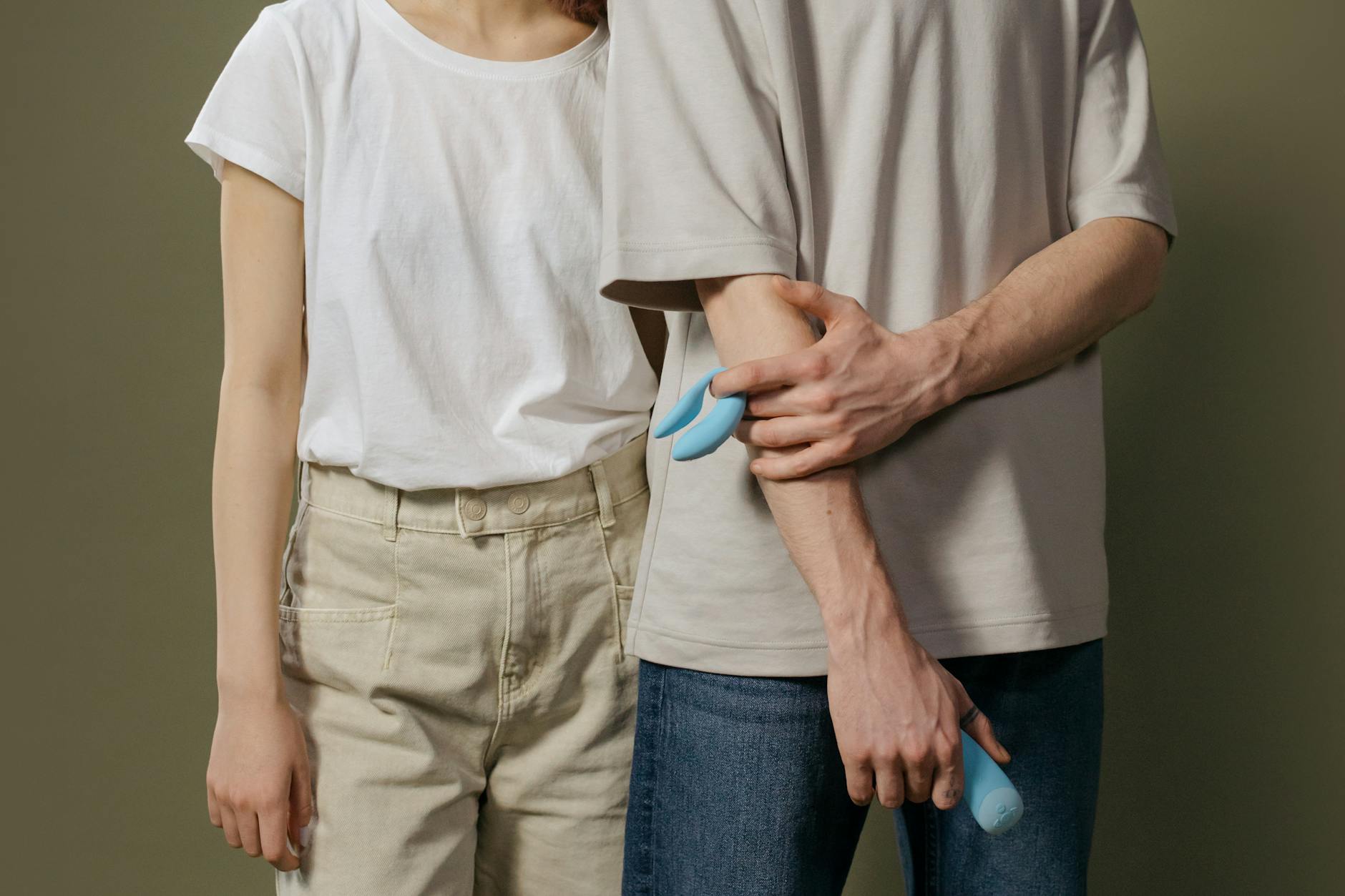
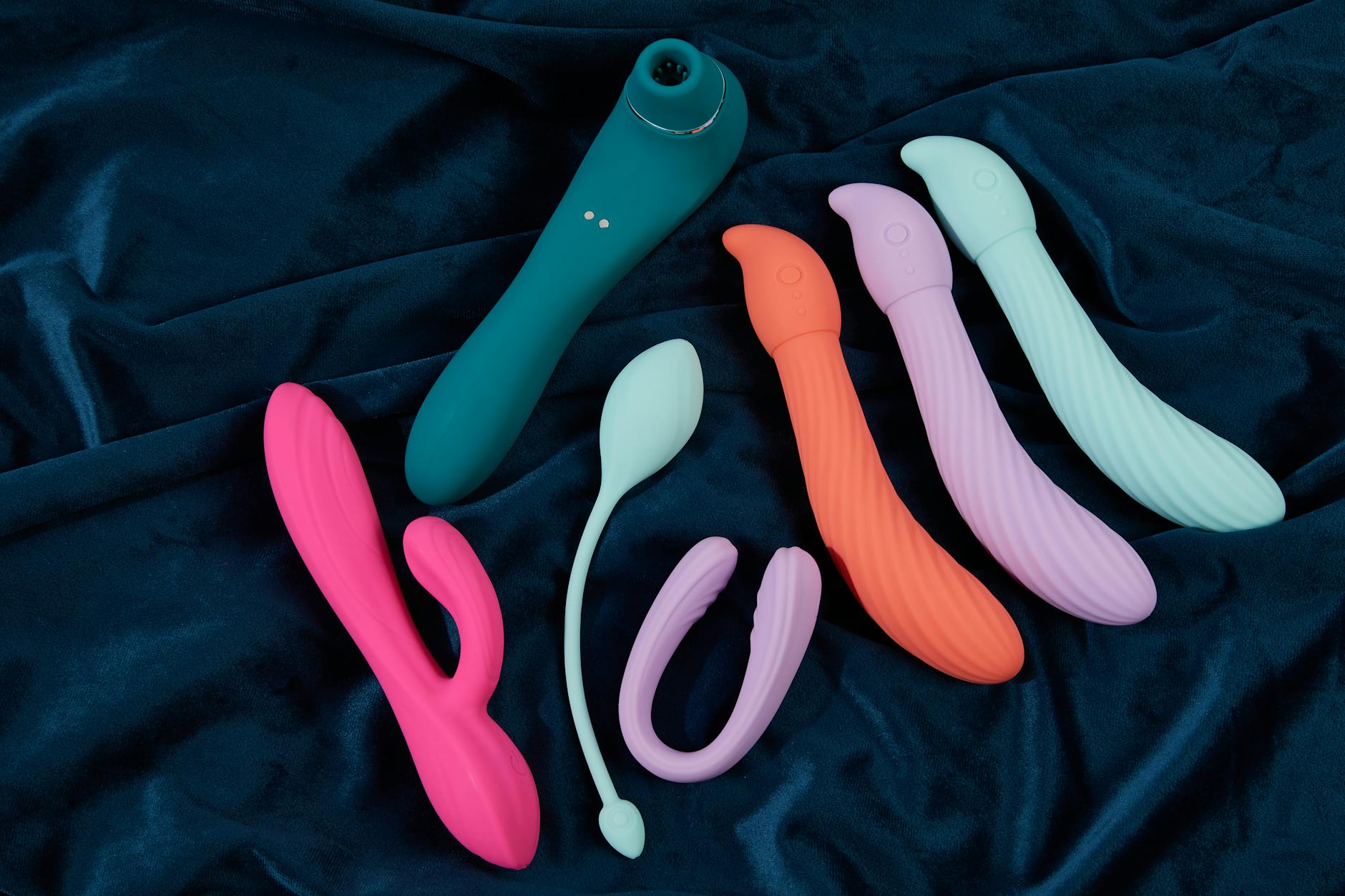
Why Lemon Vibrators Feel Different During Your Menstrual Cycle
Your clitoral vibrator doesn't change. But your hormones do, and they transform how sensation, arousal, and orgasm feel across each phase. Here's how to adapt.
Your lemon vibrator works the same way every day. Your body doesn't. Estrogen and progesterone rise and fall across your cycle, and with them, your arousal, sensation, and orgasm intensity shift in ways that feel weirdly unpredictable until you map the pattern. One week your clitoral vibrator feels incredible. Three days later, the same toy on the same setting feels numb or even uncomfortable. That's not a malfunction. That's biology.
Here's the thing: most people don't realize these changes are predictable. Once you understand which phase does what, you can time your pleasure sessions, adjust your technique, and get more consistent, intense experiences with your lemon vibrator or any clitoral toy.
Your menstrual cycle runs about 28 days, and it breaks into four overlapping phases. Each one brings a different hormonal mix, and each one changes how your vulva responds to stimulation.
Menstruation (days 1-5). Estrogen and progesterone are both low. Blood flow to your genitals increases, which sounds great until you remember that pelvic fullness can make direct clitoral stimulation feel intense or even tender. Many people find their lemon vibrators work better on lower settings during this phase, or they prefer longer warm-up time and more indirect stimulation. Some skip pleasure entirely because cramping makes it uncomfortable. That's valid. Others find that orgasm actually helps with cramps because it releases endorphins. If that's you, go for it.
Follicular phase (days 1-13, overlaps with bleeding). Estrogen starts climbing. Your energy increases, your mood lifts, and your tissues become more sensitive to touch. This is when many people notice their clitoral vibrator suddenly feels sharper, faster, more responsive. Your arousal builds quicker. If you've been using a lower intensity setting, you might find you can handle (and want) higher patterns. Some people switch from their lemon sucker to a faster vibrator during this phase because the sensation feels more rewarding.
Ovulation (day 14). Estrogen peaks, then drops sharply as luteinizing hormone surges. This is the sweet spot for most people. Clitoral sensitivity is highest, arousal builds fastest, and orgasms tend to be intense and easy to reach. If you've got a lemon vibrator, this is the phase where you can push the intensity higher and still feel amazing. Your tissues are plump with blood, your brain is flooded with dopamine, and you might orgasm faster or multiple times in one session.
Luteal phase (days 15-28). Progesterone rises, and estrogen drops. This is where everything gets confusing. Early luteal, you might still feel aroused and responsive. But as progesterone climbs higher, things change. Your clitoris becomes less sensitive. Your arousal takes longer to build. Direct stimulation on your lemon vibrator might feel too intense on your skin or too irritating on your tissues. Some people find they need gentler patterns, longer warm-up, or more lubricant. Others lose interest in pleasure altogether. The luteal phase is real, and it's not laziness or low desire. It's hormones.
Here's what I see most often in my work with clients:
Days 1-5. Lower intensity settings. More foreplay. Consider indirect stimulation rather than direct clitoral contact. Water-based lubricant helps. Some people skip this phase entirely, which is fine.
Days 6-13. Gradual increase in intensity as estrogen climbs. Your lemon vibrator might feel better on patterns 3-5 instead of 1-2. Arousal builds faster, so you might need less warm-up time. Orgasms feel sharper.
Day 14 (ovulation). Go as intense as you like. This is the phase where you might finally test out that higher setting you've been nervous about. Your body can handle it, and pleasure is usually maximum.
Days 15-21. Gradual decrease. Intensity drops, warm-up time increases. By day 18 or 19, you might notice your clitoral vibrator needs to work harder to produce the same sensation. Lubricant becomes more important. Some people switch back to patterns 1-3.
Days 22-28. The lowest sensitivity of your cycle. This is when direct clitoral stimulation might feel uncomfortable. Your lemon sucker might work better than intense vibration because suction is gentler and more diffuse than buzz. Or you might prefer longer sessions with lower intensity, more lubrication, and extended foreplay. Some people switch to internal stimulation or partnered pleasure instead.
None of this matters unless you actually notice it. Start tracking three things for a month or two. Write them down.
What day of your cycle are you on? Use a period-tracking app or just write it on a calendar.
How does your lemon vibrator feel? Rate the sensation on a scale of 1-10. Note whether you preferred lower or higher intensity. Did warm-up feel important? Did you need more lubricant?
How did the orgasm feel? Easy to reach? Intense? Gentle? Multiple? Missing?
After two or three cycles, you'll see your personal pattern emerge. It might not match the textbook version I just described. Some people have sensitive follicular phases but responsive luteal phases. Some notice almost no change. Some are wildly different cycle to cycle. Your body is the only truth that matters.
Once you know your pattern, you can adjust. This is not about forcing pleasure on days when you're not feeling it. It's about meeting your body where it actually is.
When sensitivity is low (luteal phase). Use more lubricant. Spend more time on foreplay. Start with lower intensity patterns on your clitoral vibrator and work up gradually. Consider indirect stimulation: run your lemon vibrator across your labia or the hood of your clitoris rather than directly on the glans. Some people find that using a vibrator for 15-20 minutes with a partner's hands involved feels better than solo direct stimulation.
When sensitivity is high (follicular and ovulation). You can be more direct. Higher intensity settings work. Shorter warm-up time. You might orgasm faster, which is great, but if you want longer sessions, you can extend foreplay or take breaks to avoid overstimulation.
During menstruation. Do what feels right. If cramping makes pleasure uncomfortable, skip it. If you want to, lower intensity and use extra lubricant. Some people find that gentle stimulation and slow builds feel better than quick, intense sessions.
If you've got a partner, they need to know your cycle shifts sensation. Not because they need to be a sex therapist, but because miscommunication during luteal phases causes real damage. If your partner thinks you're "not in the mood" during your low-sensitivity days, they might take it personally. If they don't know you need 20 minutes of foreplay instead of five, they might push intensity too fast and make you uncomfortable.
Here's what helps: "My body feels different depending on where I am in my cycle. Some weeks, I'm ready quickly. Other weeks, I need more time and gentler touch. It's not about you. It's just how my hormones work. Let's check in about what I need." Most partners get it immediately.
Cycle-based changes in sensation are normal. But if your sensitivity is uniformly low across all phases, or if you're experiencing pain during pleasure, something else might be happening.
Endometriosis, pelvic floor dysfunction, vulvodynia, and hormonal contraception can all change how your clitoral vibrator feels. So can stress, sleep deprivation, and relationship tension. If the pleasure drought isn't tied to your luteal phase and persists for months, talk to a doctor or a sex therapist. How to use lemon vibrators when you have low libido or desire issues covers this in more depth.
Don't just read this and hope it applies to you. Try it. Pick your next cycle and track for one month. Use your lemon vibrator on the same days, note the intensity setting, and write down how it feels. After 28 days, you'll have data instead of guesses. You'll know exactly when your body is primed for intensity and when it needs gentleness. That knowledge is the difference between feeling like pleasure is random and building a practice that actually works.
Your cycle isn't a bug. It's a feature. Once you work with it instead of against it, your clitoral vibrator becomes dramatically better.
Most people see the pattern within one or two cycles if they're tracking. Some notice immediately because the changes are dramatic for them. Others take three months before the pattern clicks. Cycle apps help because they let you overlay notes on dates, so you can see when sensitivity peaks and dips.
Yes. Hormonal contraceptives suppress your natural cycle and hold your hormones steady, which means you lose those sensitivity shifts. Some people on birth control report less sensation variation overall. Others notice almost no difference. If you switch on or off hormonal birth control, it can take two to three months for your sensation patterns to stabilize or adjust. That's normal.
You don't have to. Your lemon vibrator works across all phases if you adjust the intensity and technique. But some people enjoy having a softer toy (like a lemon sucker for gentle stimulation) for luteal phases and a more intense vibrator for peak sensitivity days. It's a preference, not a necessity. One good clitoral vibrator, adjusted thoughtfully, is usually enough.
Yes, absolutely. High stress and excess caffeine can suppress arousal and sensation across your whole cycle, but especially during naturally lower-sensitivity phases. If you're in your luteal phase and drinking four espressos a day while stressed about work, your clitoral vibrator might feel numb. Sleep and stress matter as much as hormones.
The phases still apply. If your cycle is 21 days, the phases are shorter but follow the same pattern. If it's 35 days, they're longer. The ratio is what matters: menstruation, follicular (roughly 50% of your cycle), ovulation (sharp spike), and luteal (roughly 50% of your cycle). Track your own cycle length and apply the phases proportionally.
Yes. Menstruation is not a barrier to pleasure. Use lower intensity, extra lubricant, and avoid deep internal stimulation if you're experiencing cramping. Some people find that orgasm during their period helps with cramps. Others find it uncomfortable. Your body, your choice. Just wash your clitoral vibrator afterward (like you do after every use anyway).
Your sensation isn't broken or random. It's following your hormonal cycle with perfect predictability. Once you map that map, you stop fighting your body and start working with it. Your lemon vibrator becomes a tool you've learned to use brilliantly across every phase. And pleasure stops feeling inconsistent and starts feeling intentional.