
The thing nobody tells you about sensation and aging
Here's the honest part: your nerve endings don't vanish after 60, 70, or 80. They do something subtler. They become less reactive to light touch and require more direct, consistent stimulation to fire up. That's not the same as losing pleasure. It's different, and the difference matters.
I've worked with hundreds of couples navigating this shift, and the pattern is always the same. Someone notices arousal takes longer. Orgasms feel further away. They assume it's permanent dysfunction, when really it's just a change in the specs. You wouldn't expect a car to handle the same at 100,000 miles as it did at 10,000 miles. Same principle. Not broken. Different.
What actually changes in your nervous system
Nerve density doesn't drop uniformly. What happens is more selective. The clitoris retains its nerve endings, but the surrounding vulva becomes less sensitive to general touch. This is especially true if someone's been through menopause, which accelerates it. Skin thins, lubrication shifts, and the feedback loop that used to work on light stimulation now needs more pressure or more targeted focus.
The brain's wiring for pleasure stays intact. Completely. Your arousal pathways are still there. Your capacity for orgasm hasn't gone anywhere. What's shifted is the delivery method. A feather doesn't work anymore. A focused, sustained vibration does.
This is where lemon clitoral vibrators earn their weight. They're engineered for exactly this problem. The suction-based technology doesn't rely on surface sensitivity. It creates rhythmic pressure directly against nerve-rich tissue. For aging bodies with reduced peripheral sensation, it's not a workaround. It's often the first time in years that something feels like it's actually reaching the target.
Why standard vibrators stop working as well
Most generic vibrators use a broad buzzing pattern. That works great when your skin's reactive to gentle vibration across a large area. When sensation dulls, that broad buzz becomes background noise. Your nervous system isn't getting clear enough signal to escalate arousal.
Lemon vibrators use a different strategy. The rhythmic pulsing creates focused stimulation. It's like the difference between someone gently stroking your arm and someone tapping a specific pressure point. One fades into the background. The other gets your attention.
For people dealing with reduced sensation from age, diabetes, certain medications, or just the slow fade of nerve reactivity, this focused approach converts a frustrating experience into something that actually works. That's not placebo. That's design matching physiology.
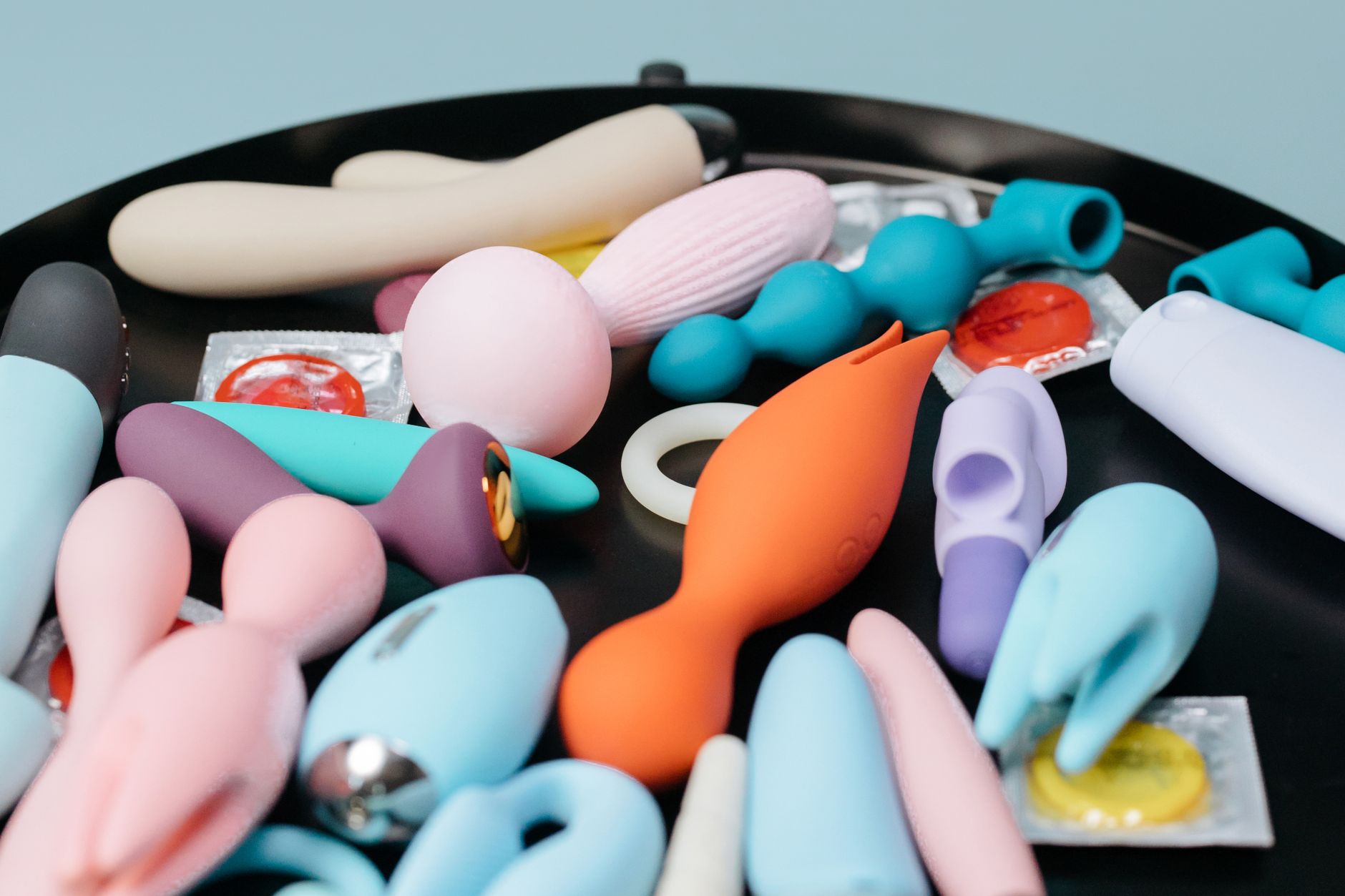
Photo by cottonbro studio on Pexels
The warm-up protocol that actually works
When sensation is muted, don't skip the warm-up. Expand it. Blood flow matters more now because it's what's going to wake your nerve endings up. Budget 20-30 minutes before any toy comes into play.
Start with something tactile but non-goal-oriented. A partner's hands, your own touch with lotion, a silky cloth. Anything that gets circulation moving without demanding immediate results. The goal here isn't to get turned on fast. It's to prime the nervous system for what comes next.
Then introduce the lemon vibrator. Start on the lowest setting. Don't jump straight to intensity 3 or 4. Let your body register the sensation first. With reduced peripheral nerve sensitivity, ramping too fast can feel overwhelming or numb at the same time. Counterintuitive, but real.
Move the vibrator slowly at first. Press it directly against the clitoris, not around it. This focuses stimulation where nerve density is highest. Spend 2-3 minutes in one area before trying different patterns. Your nervous system needs time to recognize and respond to new input.
Build intensity gradually. After 5-10 minutes, move to pattern 2. After another 5 minutes, pattern 3. This slow escalation gives your body time to catch up with increasing sensation, which becomes more important when baseline sensitivity is lower.
What to avoid (and why)
Don't rely on speed alone. More vibrations per second doesn't automatically translate to better sensation when nerve reactivity is reduced. It often just creates noise. The rhythm of a lemon vibrator matters more than raw frequency. That's why the pulsing patterns work better than constant buzz.
Don't expect the same timing as when you were younger. If orgasms used to take 8 minutes and now they're taking 25, that's not failure. That's a new baseline. Releasing the timeline removes the pressure that can actually block arousal in the first place.
Don't assume you need less lubrication because you're past certain life stages. Actually the opposite. Tissue changes mean lubrication becomes more important. Water-based lube helps the vibrator glide smoothly and reduces friction on thinner tissue. It also amplifies sensation because the vibrations travel more efficiently through a lubricated surface.
Don't introduce a partner too quickly if you're experimenting alone first. There's pressure built into partnered sex that can interfere with your ability to notice what actually feels good now. Spend time solo, figure out what works, then bring that knowledge into partnered exploration.
How aging changes what feels good with a partner
The conversation with a partner shifts when sensation reduces. You can't rely on nonverbal cues working the same way. "Does this feel good?" needs to become an actual question you ask, not something you assume.
Many people I work with find that using a lemon vibrator together changes the dynamic completely. Instead of penetrative sex or partner touch that feels muted, a clitoral vibrator creates concentrated pleasure that's unmistakable. Both partners can feel more confident about what's working.
Slowing down becomes an asset instead of a frustration. Longer foreplay isn't a compromise anymore. It becomes the main event. Some couples find this transition actually deepens intimacy because it forces more communication and presence. You can't coast. You have to pay attention.
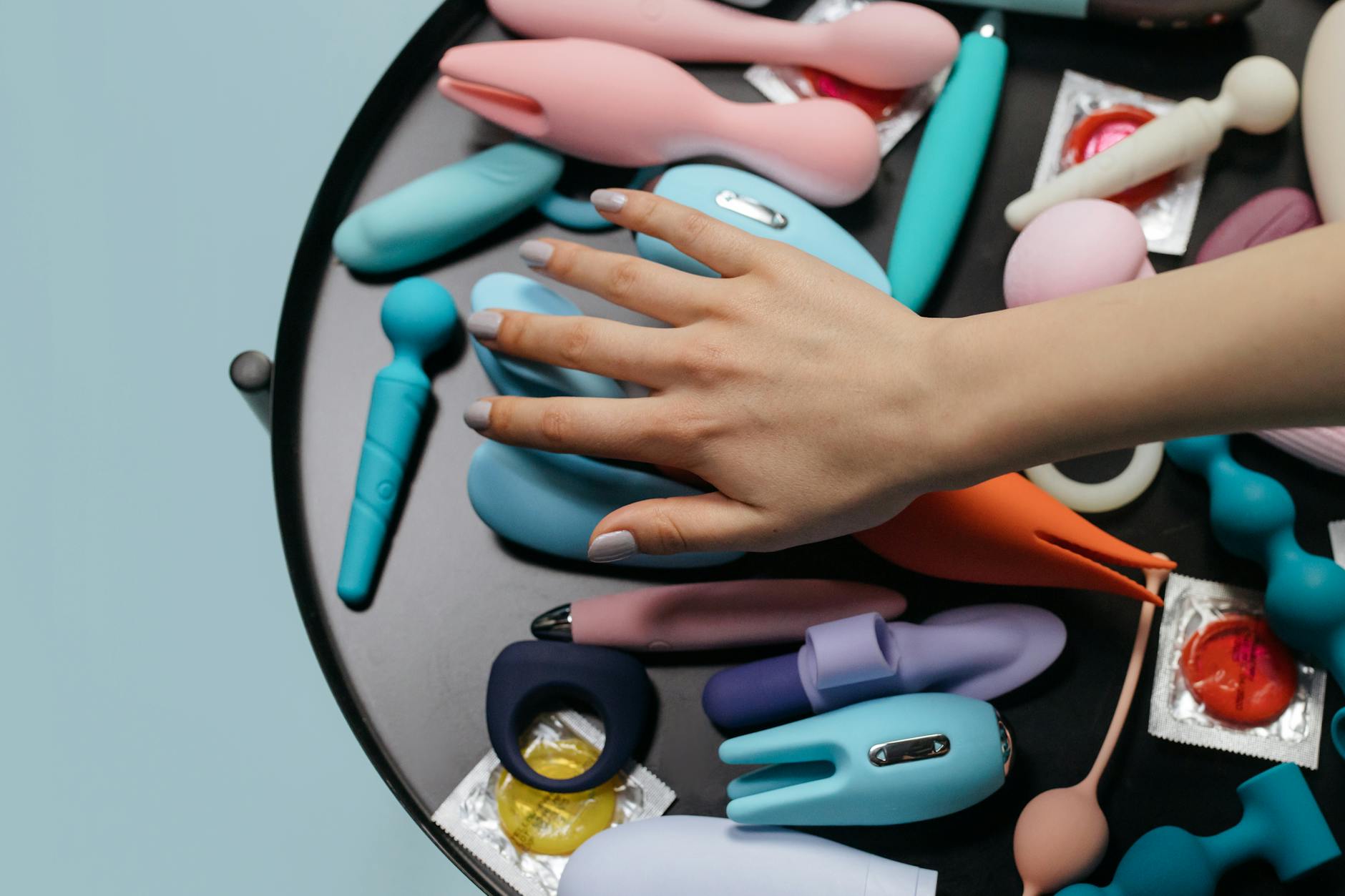
Photo by cottonbro studio on Pexels
The medication angle
Certain drugs accelerate reduced sensation. Blood pressure medications, cholesterol drugs, and some antidepressants can all dull nerve response. If you've started something new and noticed a shift, don't assume it's age alone. It's often the combination.
You might not be able to change the medication. And sometimes you shouldn't. But you can adapt your approach. A lemon clitoral vibrator often performs better than partner touch alone when medication is a factor. Talk to your prescriber if sensation loss is severe. Sometimes timing doses differently or switching formulations helps. Sometimes it doesn't. Either way, you've got tools.
Solo play becomes research
When sensation changes, solo exploration is actually the smart move. You're not performing for anyone. There's no timeline. You can spend 45 minutes figuring out what pattern at what intensity actually gets your attention. That data becomes gold when you're with a partner.
Try different angles with the lemon vibrator. Directly on the clitoris, slightly off to the side, lower pressure, higher pressure. Notice what creates actual sensation versus what feels like buzzing background noise. Every nervous system ages differently. What works for your friend might not be your thing. What works for you might shift again in a year. That's fine. The exploration never stops.
When to see a specialist
If reduced sensation comes with pain, that's worth a doctor's visit. Vulvodynia and other pain conditions can coexist with sensation loss, and they need different approaches.
If sensation loss came on suddenly rather than gradually, ask your GP. Sometimes it's medication side effects or a neurological issue that's actually treatable. It's worth ruling out.
If you're on blood pressure medication and noticed the timing correlates, mention it to your prescriber. Not because you should stop taking it, but because there are options sometimes. Sildenafil (Viagra) is sometimes prescribed off-label for medication-related sexual side effects. It's not a magic fix, but it can help with blood flow, which helps with sensation.
Pleasure after 60 isn't a diminished version
Let's be clear: reduced sensation isn't reduced capacity. It's different. Many people find that intimacy after a certain age is actually richer. You know yourself better. You're less worried about performance. You can be more present.
A lemon clitoral vibrator becomes a tool that meets you where you are, not a consolation prize. It's engineered for focused pleasure. For aging bodies with reduced peripheral sensation, it often delivers something more reliable than anything that worked before. You're not settling. You're upgrading.
Common questions about aging and pleasure
Can reduced sensation from age reverse?
Partially. Improved blood flow, certain supplements, and pelvic floor work can sharpen nerve response over time. But you won't get back to exactly what you had at 30. That's okay. You're also not stuck where you are right now. Most people find that consistent exploration and patience lead to improvements within a few weeks or months.
Is it normal for orgasms to feel different as you age?
Completely. They might be shorter, less intense, or feel localized differently. Some people report orgasms become more sustained but less peaked. Others describe them as deeper but less obvious. All of those are normal aging patterns. Different isn't broken.
Do lemon vibrators work better than fingers as you age?
For many people, yes. Fingers get tired. A vibrator delivers consistent, focused stimulation without fatigue. But some people find the combination works best: fingers for warmth and connection, a lemon vibrator for reliable sensation. There's no wrong answer here.
How long does it usually take to notice results with a clitoral vibrator when sensation is reduced?
Some people feel the difference immediately. The focused stimulation just clicks. Others need 3-4 sessions to adapt to the sensation. Stick with it for at least a week before deciding it's not working. Your nervous system needs time to recognize new input.
Does lube really make that much difference?
Yes. Dramatically. Water-based lube reduces friction, helps the vibrations travel more efficiently through tissue, and protects thinner or more delicate skin. It's not an optional accessory. It's part of the setup, especially when sensation is already compromised.
Can you use a lemon vibrator with a partner if sensitivity is reduced?
Absolutely. Many couples find it's actually easier to coordinate pleasure when one partner is using a reliable tool. It removes guesswork and creates clear feedback. Communication still matters, but the vibrator often makes communication easier, not harder.
The bottom line
Aging changes how your nervous system responds to stimulation. Lemon clitoral vibrators are built for exactly that reality. They deliver focused, rhythmic pressure to nerve-rich tissue, which works far better than diffuse buzzing when peripheral sensation has dulled. That's not a workaround. That's smart design meeting your current physiology.
Your capacity for pleasure hasn't expired. It's just waiting for you to adapt your approach. Solo exploration, clear communication with partners, and the right tools make that adaptation straightforward and often genuinely pleasurable.
If you want to dig deeper into how to use lemon vibrators effectively for other pleasure-related challenges, explore our guide on how to use lemon vibrators when you're desensitized from overuse. You might also find how to use lemon vibrators for better intimacy with a partner after 60 relevant if you're navigating partnered exploration.
Questions or need personalized guidance? Reach out to us at /contact. We're here to help.