Here's what nobody says about one-sided foreplay
Your partner gets hard. You get touched for ninety seconds. Then they want to move on. You're left halfway there, or worse, not there at all. The weird part isn't that it happens once. It's that it keeps happening, and neither of you knows how to talk about it without it turning into a thing.
One-sided foreplay isn't usually malice. It's usually impatience mixed with a total lack of awareness that your arousal works differently. They assume if they're ready, you're ready. You assume asking for more time means criticizing them. Everyone loses.
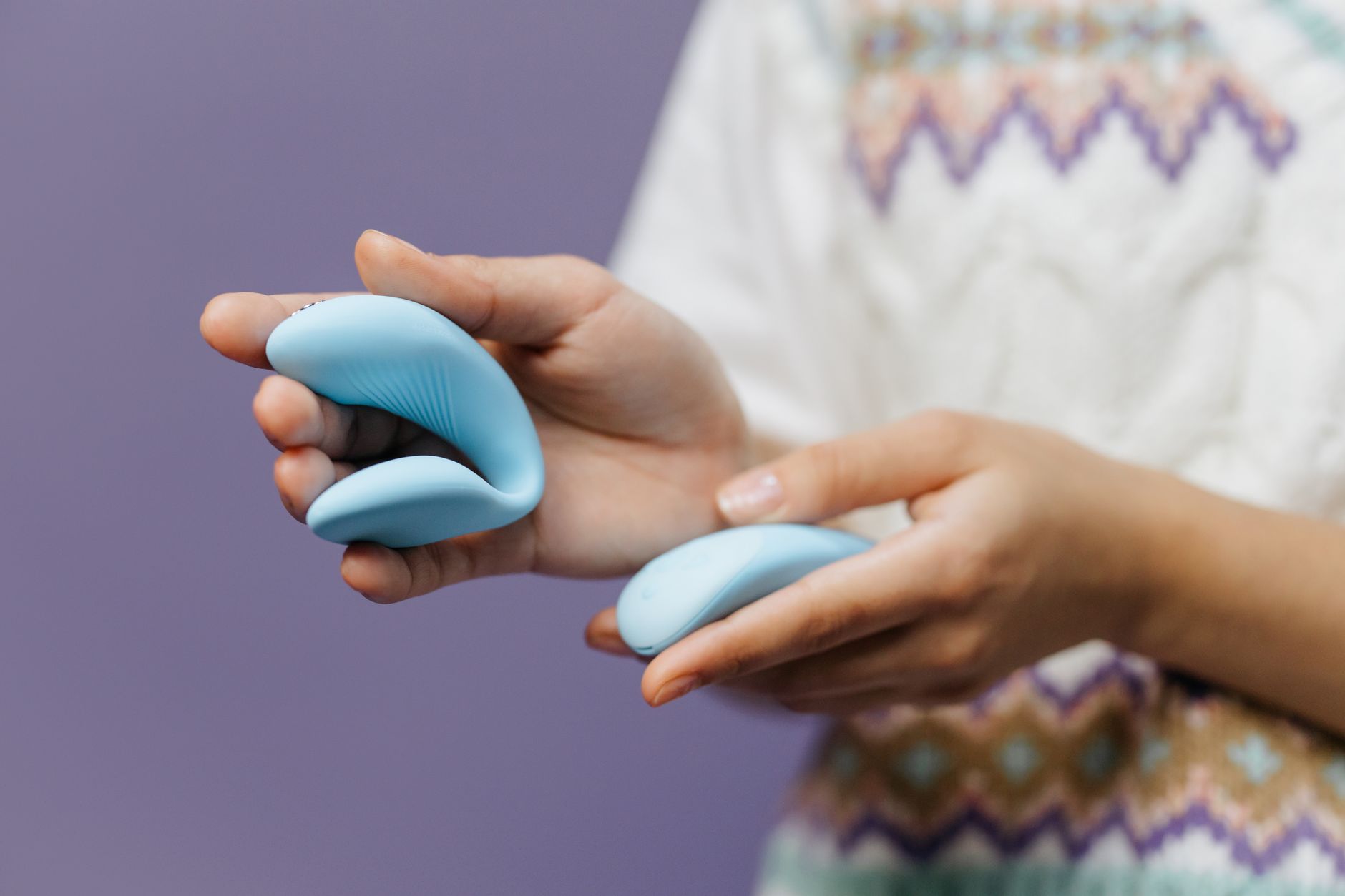
Lemon clitoral vibrators solve the logistics problem. But the actual problem is the dynamic. Let's separate those two conversations, because trying to fix them both at once is how nothing changes.
Why foreplay gets skipped
Three reasons your partner might be rushing through this:
They think you'll be fine without it. Most people are taught that foreplay is a nice extra, not a requirement. Your partner might genuinely believe that clitoral stimulation is optional, that you can orgasm fine during penetration alone, or that if you really wanted more time, you'd ask. None of that is their fault. It's just what they've absorbed.
They're anxious about losing their erection. If your partner has dealt with any erectile variability (and plenty of people have), they might rush toward penetration to lock in the arousal before it slips. This feels safe to them. It also feels terrible for you, which is the communication failure nobody addresses.
They learned foreplay from porn. Porn foreplay is two minutes and theatrical. Real foreplay is ten to twenty minutes and sometimes feels awkward. Your partner might not know the difference because nobody modeled it.
The reason this matters is that you can't fix it by just reaching for a vibrator during sex. That's a band-aid. But you can use a vibrator as a way to recalibrate the whole dynamic.

Photo by Olga Lioncat on Pexels
The gentle redirect with a lemon clitoral vibrator
Here's how to use a lemon vibrator to shift foreplay without making it a fight.
Before sex happens, when you're both calm, say something like: "I want to try something. I'm going to use my vibrator during foreplay, and I'd love for you to slow down a little. Not stop. Just... let me get there first." That's it. No accusation. No therapy language. Just logistics.
When you're together, you introduce the vibrator early. Not when you're already frustrated. When things are just starting to heat up. You hold it yourself. You set the pace. Your partner stays present with you.
This does three things at once:
First, you get the stimulation you actually need. Clitoral vibrators like the Lem are designed specifically for this. They're fast, precise, and they don't depend on your partner's stamina or timing.
Second, your partner gets a visual reminder that this is taking longer. Not because you're broken. Because you need it to. Watching you use a vibrator makes it real in a way that asking never does.
Third, you're not asking them to do more. You're asking them to wait. That's much easier for a partner to say yes to. "Let me use this while you touch me" is more appealing than "I need you to spend twenty minutes on me." It feels collaborative instead of like a chore.
The conversation that has to happen anyway
The vibrator is not a substitute for talking about why foreplay is being skipped. But it is a bridge to that conversation.
Once you've done this once or twice, you can say: "Hey, I noticed when I use the vibrator, we have way better sex. I wonder what would happen if we just... built in that time anyway. Like, could we make it a normal part of how we do this?"
Some partners will immediately get it. They'll start spending more time on you without the vibrator. Some will want to keep the vibrator in the mix because it takes the pressure off them. Both are fine. The point is that you've made it visible and non-negotiable.
If your partner pushes back, gets defensive, or acts like you're being demanding, that's not a foreplay problem. That's a "my pleasure doesn't matter to them" problem, and that needs a different conversation. A clitoral vibrator can't fix that. Only honesty can.
The practical setup
Let's talk logistics. You're introducing a vibrator into existing foreplay. Here's what actually helps:
Use a water-based lubricant. Lemon vibrators work better with a bit of glide. It changes the sensation and makes everything feel smoother. Grab a small bottle and keep it in your nightstand.
Start at a lower intensity setting. If you're using a Lem, you've got multiple patterns and speeds. Begin somewhere in the middle. You can always build up. You don't want to go so hard that you're desensitized before your partner even touches you.
Ask your partner to keep touching you. This is crucial. They might assume the vibrator means they should step back. The opposite is true. They're still present. Their touch changes. Maybe they kiss your neck. Run their hands over you. Stay connected. The vibrator isn't a replacement. It's an addition.
Give yourself permission to take time. Orgasm isn't the finish line. Sometimes it is. Sometimes you just want to feel good and stay there without pushing toward a climax. Let that be okay.
When this does and doesn't work
Using a lemon vibrator during foreplay works really well when the core issue is just logistics. Your partner loves you, cares about your pleasure, but is genuinely impatient or doesn't understand that you need more time. In these cases, the vibrator + the gentle conversation often creates a real shift.
It doesn't work, or works poorly, when the deeper issue is that your partner doesn't care about your pleasure. If they respond to the vibrator with resentment, mockery, or refusal, the problem isn't timing. It's that your pleasure isn't a priority to them. In that case, you need to explore whether lemon vibrators can help with a partner who isn't interested in your pleasure at all.
It also gets complicated if you're dealing with mismatched arousal speeds that aren't just about rush, but about fundamental differences in desire. That's a bigger relationship question. But most one-sided foreplay situations fall into the impatience bucket, and those shift quickly once you have the tool and the permission to slow things down.
The bigger picture
Foreplay that feels one-sided usually reflects a relationship dynamic where one person's pleasure is treated as more important. Over time, that erodes both the sex and the connection. Using a lemon clitoral vibrator can help you reclaim your right to pleasure without making it a fight. But it's not a fix for a partner who genuinely doesn't care whether you get there. That's a different problem entirely, and it needs a different solution.
The vibrator is a tool. The conversation is the real work. Do both.
People also ask
How do I bring up one-sided foreplay without hurting my partner's feelings?
Start outside the bedroom. Say something like: "I've been thinking about how we have sex, and I want to enjoy it more. I think I need more time to warm up." Frame it as what you need, not what they're doing wrong. Then introduce the vibrator as a solution, not a criticism. Most partners respond well to this because it's collaborative instead of accusatory.
Should I use a lemon vibrator by myself first to figure out what I like?
Absolutely. Knowing what you want before you try it with a partner makes the conversation easier. You already know the speeds and patterns that work for you. You can then introduce it into partnered foreplay with confidence. You're not figuring it out in real time. You already know what you're after.
Can I use a lemon clitoral vibrator during foreplay if my partner feels insecure about it?
This is real, and it's worth addressing directly. Some partners worry that the vibrator means you're not attracted to them or that you'd rather have the vibrator than their touch. The antidote is: bring them into it. Let them hold it. Let them control it sometimes. Make it clear that it's enhancing what's already happening, not replacing them. If they remain resistant after a genuine conversation, that's worth exploring with a couples counselor.
Does using a vibrator during foreplay mean I won't be able to orgasm without one?
No. This is a common worry and it's not supported by evidence. Using a vibrator doesn't rewire your pleasure response. If anything, it helps you understand what you need and communicate that to your partner. You might prefer the vibrator sometimes and not others. Both are completely normal.
What if my partner wants to use the vibrator instead of touching me?
That's a sign that the deeper issue might not be just about timing. If they're enthusiastic about the vibrator but resistant to foreplay itself, that's worth discussing. The vibrator should be an addition to their touch, not a replacement for it. If they're using it to avoid engaging with you, that's a different dynamic that needs honest conversation.
How often should I bring the vibrator into foreplay?
As often as feels good to you. There's no rule. Some couples use a lemon vibrator every time. Some use it when they want extended foreplay or more intensity. Some use it occasionally. The point is that it's available and normalized, not that it's mandatory. Let your preference guide you, not habit or obligation.