Let's talk about what happens to your body when your relationship does
Honestly, this one catches people off guard. You'd think that emotional distance would be separate from physical sensation. But your nervous system doesn't work that way. When you've been distant from a partner for weeks or months, your body learns not to anticipate pleasure. It goes quiet. Touch that used to spark something just feels like skin on skin. That's not a problem with you. That's your body protecting itself.
The good news? That numbness is reversible. But it doesn't come back through talk therapy alone or through forcing yourself to have sex before you're ready. It comes back through touch that feels safe, predictable, and entirely under your control. That's where lemon vibrators change the equation.
Why emotional distance shows up as physical numbness
Your brain links arousal to safety. When you've been hurt or distant, your nervous system downregulates sensitivity as a protective move. Less sensation means less vulnerability. It's smart, actually. But it also means that even when the emotional work starts happening, your body lags behind. You might feel reconnected to your partner's heart and still feel nothing downstairs. That gap is real, and it's temporary.
The neurological piece: arousal requires parasympathetic activation. Your vagus nerve has to calm down and say "it's safe to feel." When you've been in conflict or disconnection, your vagus nerve has been in sympathetic overdrive for months. It needs proof that pleasure is coming back online.
What lemon vibrators do differently in reconnection scenarios
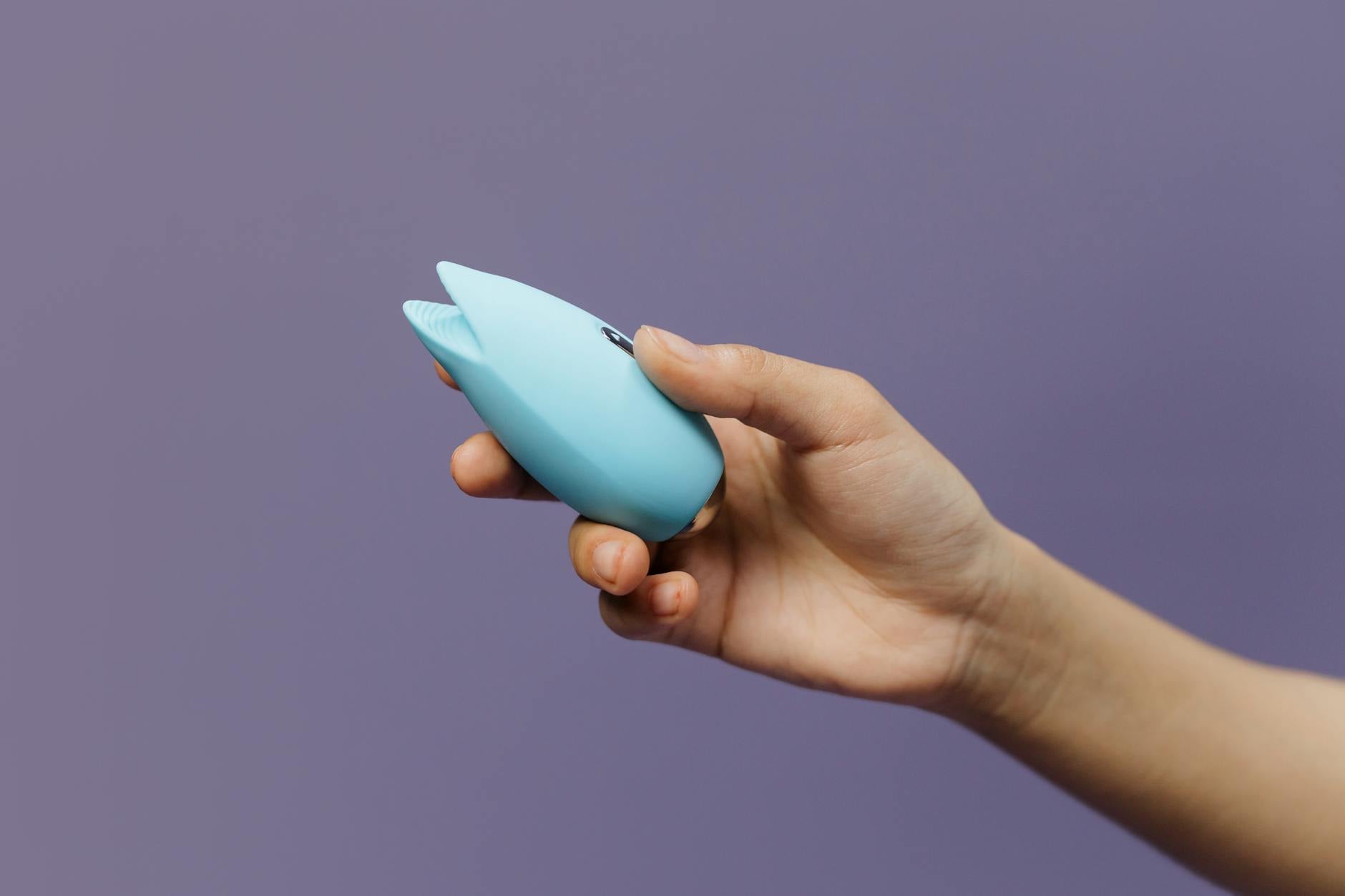
Think of a lemon clitoral vibrator as a way to teach your nervous system that sensation is safe again. Here's why they work so well for reconnecting couples.
First, they're entirely under your control. Your partner isn't doing the stimulating. You are. That agency matters when you're rebuilding trust. You can pause, speed up, change patterns, stop entirely. No negotiating. No performance pressure.
Second, the suction pattern on devices like the Lem bypasses some of the "Am I broken?" panic that comes with emotional numbness. It's a different kind of stimulation than you've maybe tried before. Your nervous system hasn't learned to shut it down yet.
Third, they create a physical point of focus that's separate from the partner. You're not thinking about whether your partner is enjoying this. You're not wondering if you're taking too long. You're just following the sensation. That narrowing of attention is where arousal lives.
The reconnection timeline with lemon clitoral vibrators
Week one through three usually feels clinical. You're learning the device. You're figuring out which patterns feel good and which feel like nothing. Some sessions might produce zero arousal. That's normal. You're retraining a nervous system.
Week three through six, most people report a shift. Not full arousal yet, necessarily. But a "huh, I felt that" moment. The sensation is coming back online. Patience matters here more than anything. This isn't a race to orgasm.
Week six onward, you can start experimenting with your partner in the room. Not necessarily inside you or touching you. Just present. Some couples find that having their partner watch, or having their partner use a vibrator on themselves simultaneously, accelerates the reconnection. Others prefer to keep solo exploration separate and bring that awakened sensation into partnered touch later.
How to introduce lemon vibrators into the reconnection conversation
Don't spring it on your partner. Talk about it first. Here's the script I usually suggest:
"I want to rebuild the physical part of us, but my body's still in protection mode. I'm thinking about using a vibrator alone for a bit. It's not about you. It's about teaching my nervous system that sensation is safe. Would you be okay with that?"
Most partners, when they understand the logic, are relieved. They're off the hook for "fixing" your arousal. You're taking ownership of it.
Then, once you've had some solo sessions and you're feeling the sensation returning, you can talk about whether your partner wants to be involved. Some couples find that being present but not participating is healing. Others want to incorporate it into partnered sex. Both are fine.
The mistakes that slow reconnection down
Trying to force partner involvement too early. Your nervous system isn't ready. Suction vibrators like lemon adult toys work best in a low-pressure environment first.
Switching devices too quickly. Stick with one lemon vibrator for at least two weeks before evaluating. Your body needs time to learn it.
Expecting orgasm as the metric. Orgasm is the last piece that comes back online. Pleasure comes first. Sensation comes first. Orgasm will follow.
Using it as a Band-Aid instead of an addition. If the relationship problems aren't being addressed, a vibrator won't fix anything. This tool works when there's actual emotional work happening alongside it.
When to bring your partner back into the physical experience
You'll know you're ready when sensation starts feeling consistent. When a lemon vibrator creates that pattern two, three, four times in a row and you're actually feeling it. That's when you might invite your partner to watch, or to touch you while you're using the device, or simply to be in the room while you do.
Some partners want to know the logistics. What pattern are you using. How long are you usually going. That's sweet, actually. It's interest in your pleasure. Some want no details. Also fine. The key is that you're both clear on what the experience is for.

Photo by Anna Shvets on Pexels
Many couples find that once the person using the vibrator is having consistent pleasure, bringing that shared experience back into partnered touch is easier. You're not starting from numbness. You're starting from "I know what pleasure feels like again."
The emotional piece that matters as much as the physical
Reconnection is vulnerable. You're saying "my body shut down because I didn't feel safe." That's a big admission. Your partner is hearing that and potentially feeling some guilt or responsibility, even though this isn't anyone's fault. A vibrator helps because it shifts the focus from relationship repair to nervous system repair. It's practical. It's not blame. It's just biology responding to protection mode.
Some couples find that as sensation returns, conversation gets easier too. You're less in your head and more in your body. That's actually when the good talks happen. Not in bed, but in the kitchen later that day when you're both more regulated.
Others find that the physical reconnection needs to happen first, and then the emotional reconnection deepens. There's no one path. But almost everyone I work with reports that having this tool available shortened the timeline from "we feel distant" to "we feel like us again" significantly.
The long game: from reconnection to rediscovery
Here's something nobody tells you about rebuilding sensation after emotional distance. Sometimes, once your nervous system trusts that pleasure is safe again, you discover new things. New preferences. New patterns. How to use lemon vibrators when sensation returns after numbness covers that next chapter.
For now, your job is to be patient with the timeline. Lemon clitoral vibrators aren't magic. They're a tool for teaching your body that sensation is coming back online. That's a process. Give it time, and most people find that the physical reconnection starts catalyzing the emotional one.
FAQ: Reconnection, sensation, and lemon vibrators
How long does it take for sensation to come back after emotional distance?
Three to eight weeks is typical, but it varies widely. Some people feel shifts in the first two weeks. Others take longer. The factor that matters most is consistency. Using a device twice a week for eight weeks works better than daily use for two weeks and then stopping. Your nervous system needs repetition to trust that this is safe.
Can I use a lemon vibrator if I'm still working on trust with my partner?
Absolutely. In fact, that's often when it helps most. Solo exploration with a vibrator is a way of reconnecting with yourself first. That foundation makes partnered reconnection more sustainable.
What if my partner feels threatened by the vibrator?
That's worth a conversation. Often, partners worry that a vibrator means their touch isn't "enough." The reframe is: "This is about my nervous system learning to feel safe again. It has nothing to do with you or what you can provide." Some partners need time to adjust to that idea. That's okay. Reassurance helps, but so does giving him or her space to process the shift.
Is it better to use the vibrator alone or with my partner present?
Start alone. Your nervous system is still in protection mode. Having your partner in the room, even silently, can activate performance pressure. Once sensation is coming back consistently, experiment with your partner present if you both want to. There's no rule.
Can we use a lemon clitoral vibrator together during partnered sex while we're reconnecting?
Yes, but probably not immediately. Build solo consistency first. Then, once you're reliably feeling sensation on your own, introducing the vibrator during partnered touch can enhance things. Some couples find it dissolves performance pressure because the focus is on the vibrator, not on anyone's technique.
What if nothing is working and sensation still feels numb?
That's worth checking in with a therapist or doctor. Sometimes emotional distance creates physical numbness that's legitimate. Sometimes there's an underlying medical piece. Sometimes both. There's no shame in getting support. How to use lemon vibrators when sensation feels numb during stress or anxiety also covers some of that territory if anxiety is part of the picture.
Reconnection isn't linear. Be kind to yourself through the process. Your body will come back online when it feels safe. Tools like lemon vibrators help create that safety. That's all they're doing. And sometimes that's enough to turn the dial from "we're distant" to "we're finding our way back."
If you're working through relationship stuff and want support thinking it through, let's talk. Sometimes a conversation with someone trained in reconnection strategies helps clarify the next step.