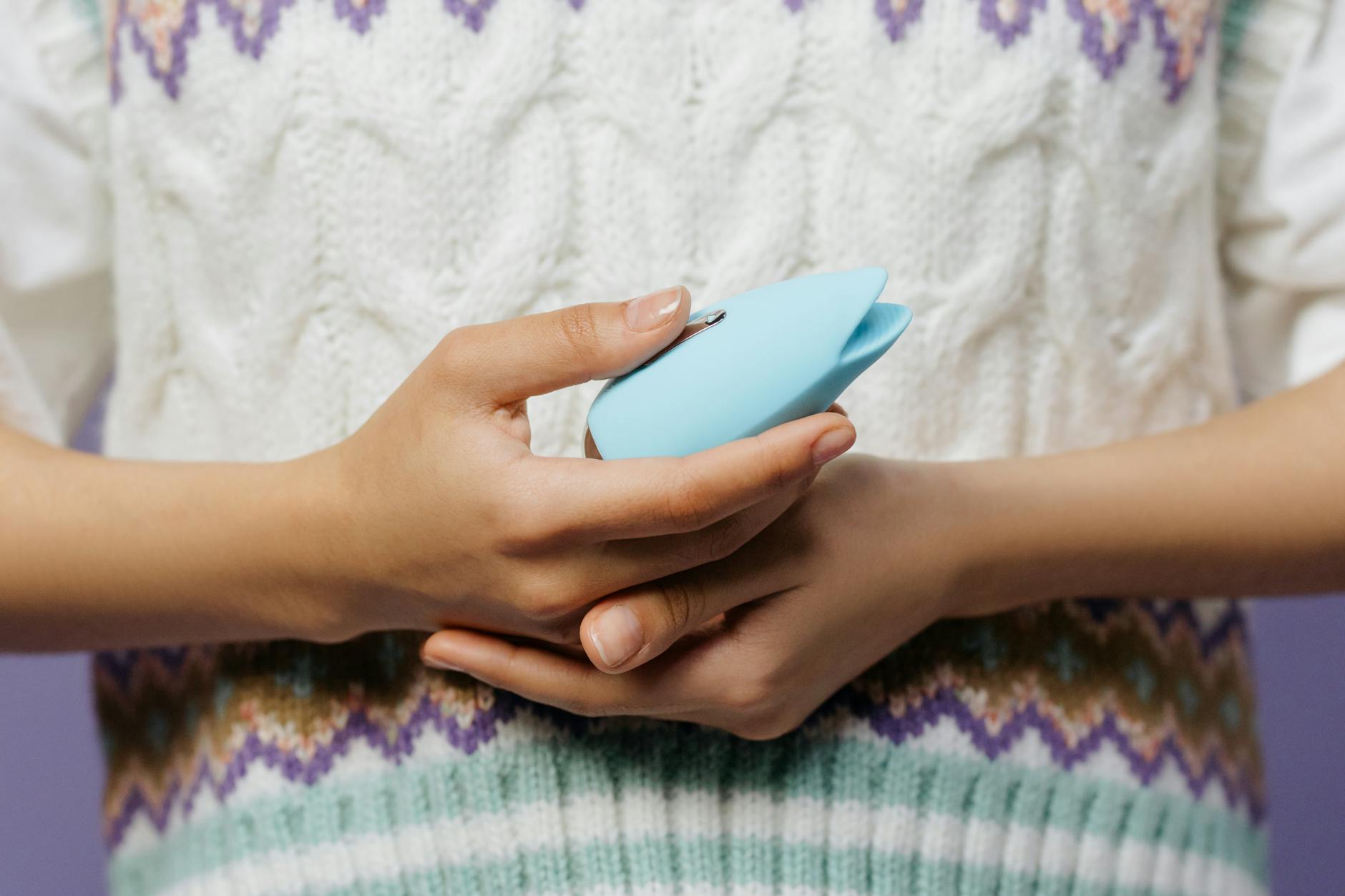
The honest part first
Let's be real. Coming back to solo pleasure after a long break feels weird. Your body might feel unfamiliar. You might worry you've "lost it." You might feel rusty, awkward, or like you need to prove something to yourself. None of that is unusual, and none of it means anything's broken.
When people step away from their pleasure for months or years, they often imagine the return will feel triumphant or automatic. The truth is messier. It feels tentative. Your nervous system is relearning a pattern. Sensation might feel different than it used to. And that's exactly where a tool like the Lem vibrator becomes useful, not because it forces a result, but because it bridges the gap between disconnection and reawakening.
Why time away changes sensation
Your body doesn't forget pleasure. But your neural pathways do get quieter when they're not active. Think of it like a muscle that's been rested. When you come back to it, you don't jump straight back to where you left off. You rebuild gradually.
Two things happen during extended time away from masturbation or partnered sex. First, the brain's reward pathways linked to sexual stimulation become less responsive. Second, the physical sensation in your genital tissue actually does shift. Not permanently, but noticeably. The tissue thins slightly without regular blood flow. Nerve sensitivity can feel dampened. This is why many people report that restarting feels like starting from a different baseline than they remember.
The good news is this isn't permanent. Most people find their sensation normalizes within two to four weeks of gentle, regular exploration.
The first session should feel like curiosity, not pressure
Set a block of time when you're not rushed. Twenty minutes minimum. No phone, no distractions, no agenda except to notice what happens.
Start clothed, or partially clothed. Some people find that complete nudity feels too vulnerable when they're returning. Let yourself warm up psychologically first. Maybe touch your neck, your inner wrists, your thighs. Notice what still feels good. You're not building to anything yet. You're reminding your nervous system that sensation exists.
When you're ready, move to a comfortable position. On your back is typically easiest for first sessions because your hand doesn't have to work against gravity. Place the Lem vibrator next to you. Don't use it yet. Just let yourself be in the space with it.
The goal of the first session is zero. Literally. If nothing happens, you've succeeded. You've shown up. You've spent time with your body without judgment. This matters more than you think.
When to actually turn it on
Wait until you feel genuinely curious, not until you think you "should." There's a real difference. Pressure kills the process.
When you do use the Lem, start at the lowest pattern setting. We're talking pattern 1 or 2. Many people returning after time away make the mistake of ramping up intensity too quickly because they remember needing more stimulation before they stepped away. Your current baseline is lower. You'll overstimulate if you match your old settings.
Approach the vibrator gently. Don't press hard. Let the suction do the work. The Lem's air-suction technology means you get consistent sensation without needing pressure, which is why it's particularly good for returning bodies. You're not fighting against anything. You're just receiving.
If nothing happens in five to ten minutes, turn it off. This is not failure. Your nervous system might need more than one session to remember how to respond. This is normal.
Sessions two through seven matter more than session one
Consistency beats intensity. The research on nerve pathway reactivation shows that regular, gentle stimulation over multiple sessions works better than one intense, pressured session.
If you can manage it, explore every other day for the first two weeks. You don't need long sessions. Fifteen minutes is fine. The repetition signals to your nervous system that this activity is safe and normal. Your body starts producing the neurotransmitters and hormones associated with pleasure again. You're rebuilding the neural pathway, not forcing it open.
Keep using low settings. If pattern 3 or 4 starts to feel normal by day ten, you can experiment with pattern 5. But don't feel like you have to. Some people find their sweet spot at a lower setting permanently. That's not a loss. That's information.
Many people returning after time away also find that their pleasure builds over the course of several sessions. Session one might feel like nothing. Session three might feel like a distant tingle. Session six might feel like genuine sensation. This progression is the actual return process. You're not failing in sessions one through five. You're succeeding.
The emotional reset matters as much as the physical one
Whether you stepped away because of relationship changes, life stress, depression, medication, surgery, or just losing the thread, something psychological shifted too. Your brain doesn't separate sex from emotion as neatly as we pretend it does. If you stepped away because of shame, that shame doesn't automatically leave when you decide to come back.
This is where gentleness becomes non-negotiable. You're not trying to prove you still "have it." You're not racing to orgasm as evidence that you're fixed. You're checking in with a part of yourself that you've neglected.
Some people find it helpful to write down what made them step away in the first place. Stress? A breakup? Medication side effects? Burnout? Shame? Knowing what you're working through makes it easier to be patient with yourself. If it was stress-related, your body might need quieter exploration. If it was shame-related, you might need to actively practice self-compassion during sessions. If it was relationship-related, you're rebuilding a sense of your own pleasure as separate from someone else's needs. That's deep work, and it takes more than one session.
Practical adjustments that help most people
Here are the moves I see work consistently for people restarting:
Use water-based lubricant even if you don't think you need it. When tissue hasn't been stimulated regularly, it's often drier than usual. A small amount of lubricant doesn't mean something's wrong. It means you're being smart about return.
Warm your body first. A ten-minute shower or bath before your session increases blood flow to your whole system, including your genital tissue. Sensation is often sharper when you're warm.
Don't time yourself. "I have fifteen minutes" is different from "I'll spend as long as I want." The first adds pressure. The second signals to your nervous system that you're safe.
Have water nearby. This seems unrelated, but staying hydrated helps tissue respond. Small detail, real impact.
Track what you notice, not what you achieve. After each session, write one sentence. "Sensation felt distant but present." "Lower settings felt better than I expected." "Felt sleepy after." You're building data about your returning pattern, not measuring success.
When to expect a breakthrough
Most people find that somewhere between week two and week four, something shifts. Not always orgasm, though that might happen. Usually it's a moment where sensation feels present and real again. Your nervous system recognizes the pattern. Your body produces the right hormones. You feel like yourself again.
This breakthrough doesn't usually feel dramatic. It's more like relief. Like "Oh, there it is." That's the moment you know the path back is real.
If four weeks have passed and you're still not feeling much, that's worth checking in with a doctor about. Medication, hormonal changes, unresolved trauma, and other factors can all extend the timeline. There's no shame in asking for help. Some people benefit from talking to a therapist about the shame or fear around pleasure. Some need a hormone check. Some need to address depression that's making pleasure neurologically harder. All of that is fixable.
Common questions about returning
How long do most people take to feel normal again?
Two to six weeks of regular, gentle exploration. Factors that slow this down: using high intensity too early, inconsistent sessions, unresolved shame or fear, hormonal imbalance, depression, or medication side effects. Factors that speed it up: consistency, patience, gentleness, and addressing any underlying emotional or physical blocks.
Can I use lemon vibrators alongside a partner, or should I start solo?
Start solo. You need to rebuild your own nervous system's responsiveness first. Once you're reliably experiencing sensation again on your own, you can explore with a partner if you want to. But the reactivation phase works best alone because there's zero performance pressure.
What if I feel numb even after a month?
Talk to a doctor. Persistent numbness after a reasonable return timeline can indicate hormone imbalance, medication side effects, depression, or other factors that benefit from professional input. How to Use Lemon Vibrators When Sensation Feels Numb During Stress or Anxiety covers this in more depth.
Is it normal to feel emotional during these sessions?
Completely. Your nervous system is waking up. Emotions often accompany that. You might feel sad, frustrated, relieved, or even angry. Let them happen. You're not broken. You're processing.
Can I use a clitoral vibrator if I've never had an orgasm?
Yes. The Lem and similar vibrators are designed to activate nerve pathways. If you're coming back from time away without having experienced orgasm before, your timeline might be slightly longer, but the principle is the same. Start low, be consistent, be patient. How to Use Lemon Vibrators for Better Sensation When You Have Anorgasmia has deeper guidance on that specific scenario.
What if my partner is waiting for me to be "ready" and it feels like pressure?
Communicate this. Tell them what you need: "I'm rebuilding this for myself, not for us. I'll let you know when and if I want to involve you." If they're pressuring you, that's worth addressing separately, possibly with a couples therapist. Your pleasure is not a gift you owe anyone.
The actual return isn't about willpower
Coming back to pleasure after time away isn't about forcing yourself or proving you're fixed. It's about rebuilding trust with your own body. You're saying, "I'm back. I see you. I'm going to be gentle with this return." That conversation with yourself, repeated over weeks, is what actually works.
The Lem vibrator is useful in that conversation because it takes the guesswork out of stimulation. You're not improvising. You're receiving consistent sensation that your nervous system can learn to recognize again. Over time, recognition becomes responsiveness becomes pleasure becomes confidence.
Your body hasn't forgotten how to feel good. It's just been resting. Welcome it back like you'd welcome home a part of yourself that's been away. That's the whole work.
If you're feeling stuck on any part of this process, reach out. You don't have to figure this out alone.